Best Boat Drain Plugs for Quick, Reliable Sealing on the Water
When selecting a screw-in boat plug, reliability, material, and compatibility with your hull are key. This guide helps buyers choose solid brass or stainless options that resist corrosion, fit common NPT threads, and are easy to operate in tight spaces. The top picks below are suited for different boat types—from small jon boats to larger bowriders. Use the summary table to compare core specs at a glance.
| Product | Thread Size | Material | |
|---|---|---|---|
| HAPDEN Boat Plugs 1/2 Inch Npt Solid Brass | 1/2″ NPT | Solid brass | Most standard hull drains |
| Attwood 11587-4 T-Handle Drain Plug | 1″ drains, torque-lock T-Handle | Brass-plated handle | Frequent access drains with easy lock/unlock |
| PEUTIER Boat Drain Plugs, 3/4″ Nylon | 3/4″ thread | Nylon | Lightweight, economical kayak and small craft use |
| 1/2″ NPT Solid Brass Drain Plugs (2 Pack) – Femory | 1/2″ NPT | Solid brass | Two-pack for spare or multiple drain points |
| Boat Garboard Drain Plug – 1/2″ NPT – C CLINK | 1/2″ NPT | Solid brass | Standard hull drains with durable brass |
HAPDEN 1/2 Inch NPT Solid Brass Drain Plug (2 Pack)

Best for: boat owners seeking a durable, high-precision brass plug that fits most 1/2″ NPT sockets. These plugs are machined from solid brass, offering a watertight seal and long service life. The low magnetic permeability helps reduce corrosion in saltwater. Use when you need reliability across various hull designs and frequent maintenance intervals. Limitation: ensure your drain socket matches 1/2″ NPT threads to avoid gaps.
Attwood 11587-4 T-Handle Drain Plug
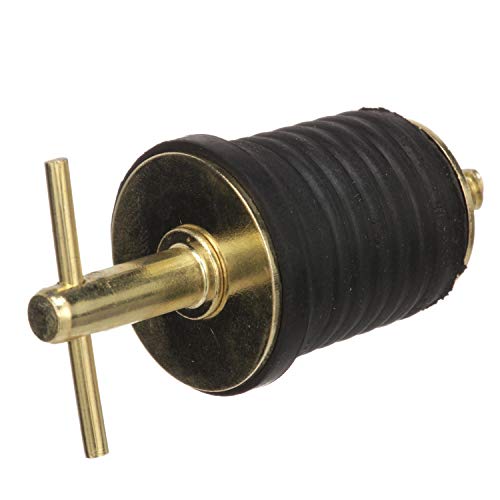
Best for: boats with 1-inch drains and a secure locking mechanism. The T-Handle design makes plugging and unplugging straightforward, with a clockwise lock and counter-clockwise unlock action. Choose this if you value quick, tool-free operation while on deck. Caution: the handle requires clearance to rotate fully; in tight spaces, a lower-profile plug may be easier to use.
PEUTIER 3/4″ Nylon Boat Drain Plugs (4 Pack)

Best for: kayaks, canoes, and small boats where lightweight nylon plugs reduce weight while maintaining water resistance. The kit includes four plugs with a thread design that secures well to most standard kayaks, plus plastic washers to improve water sealing. Limitation: nylon is less durable than brass in harsh impact conditions and may wear with repeated heavy use.
Femory 1/2″ NPT Solid Brass Drain Plugs (2 Pack)

Best for: boat hulls requiring a robust, corrosion-resistant 1/2″ NPT plug. The two-pack is ideal for spare use or installing at multiple drain points. Selected for its deep, precise threads ensuring a tight seal in standard transom drains. Caution: verify threading matches your hull’s drain hole before installation.
C CLINK Garboard Drain Plug – 1/2″ NPT (1 Pack)
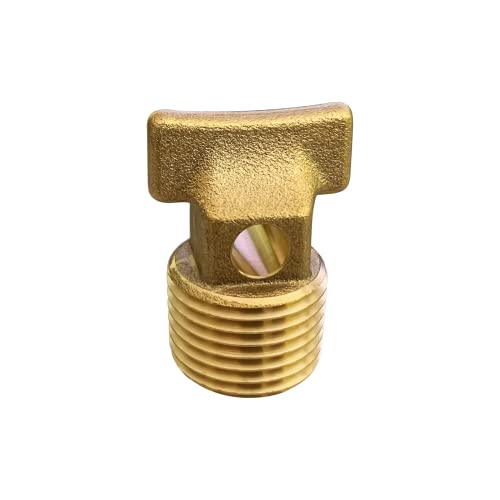
Best for: hulls that use standard 1/2″ NPT drains with multiple brands supported. The plug emphasizes a durable cast brass body and a precise, not hollow, design to resist rot and sinking. Choose this if you want compatibility with well-known boat models like Bayliner and Sea Ray. Limitation: ensure the thread depth suits your drain socket to avoid loose sealing.
C CLINK Garboard Drain Plug With Handle – 2 Pack

Best for: boats that benefit from an easier rotation without tools and additional durability. This two-pack includes plugs with a handle for simplified turning, useful in tight engine rooms or crowded bilge areas. Better for frequent drain checks. Caution: the handle-integrated design may protrude in cramped storage compartments and require extra space during storage.
Attwood Drain Plug And Receiver Kit
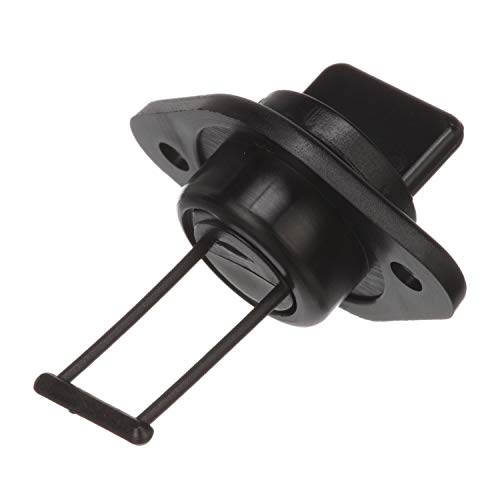
Best for: boats needing a threaded receiver with a molded black plastic plug. The single-piece plug with molded receiver and retaining strap is a compact solution for easy removal and reinstallation. Use when you want a simple, integrated system that minimizes loose parts. Limitation: not brass; may not match aesthetics or corrosion resistance of brass plugs in saltwater environments.
Buying Guide: Key Considerations For Screw-In Boat Plugs
- Material matters: Brass plugs resist corrosion and create a tight seal in marine environments, while nylon plugs offer lightweight options for smaller craft but may wear faster in rugged conditions. Stainless steel variants exist but are less common for standard transom drains.
- Thread size and type: Most boat hull drains use 1/2″ or 3/4″ NPT threads. Always measure your drain hole and confirm thread pitch to ensure a proper seal and easy installation.
- Dry sealing and washers: Some plugs include washers or O-rings to improve water resistance. Ensure these components are compatible with your hull material to prevent leaks or wear.
- Ease of use: T-handle, screw-in, and plug-with-handle designs differ in accessibility. Consider boat layout and space around the drain when choosing a model.
- Durability and maintenance: Brass plugs offer longevity in saltwater; nylon plugs are budget-friendly but may require more frequent replacements. For boats with frequent launches and retrievals, a lockable or easily removable design can be advantageous.
- Compatibility with hull brands: Some plugs advertise compatibility with popular hull models. Verify size, thread depth, and overall length to ensure a proper fit for your vessel.
FAQ
- What size drain plug do I need for a typical boat hull?
Most common sizes are 1/2″ NPT and 3/4″ NPT. Always check your transom drain hole and thread depth before purchase. - Is brass better than nylon for marine plugs?
Brass offers greater durability and corrosion resistance in saltwater, while nylon is lighter and often cheaper but may wear faster under heavy use. - How do I know if a plug will fit my hull model?
Compare the thread size, pitch, and overall length to your existing plug or drain socket. Look for “fits most hulls” if you own a widely used model, but verify specifics first. - Can I use a plug with a handle in tight spaces?
Yes, but ensure there is enough clearance to rotate the handle. Some installations require a compact plug without protruding features. - Should I replace all plugs at once or one by one?
If you regularly launch in saltwater, consider replacing all critical plugs with corrosion-resistant variants to maintain consistent sealing across drains. - Do any plugs ship with washers or seals?
Many plugs include plastic washers or O-rings to improve sealing; verify that the included hardware matches your drain design.