Best Kayak Outriggers for Greater Stability on the Water
Find the right kayak outrigger for your needs. This guide highlights five top options that improve balance, reduce tipping, and increase ride confidence for different paddling styles. Ideal for beginners learning balance, anglers wanting steadier platforms, and experienced paddlers who value extra safety on choppy water.
| Product | Best For | Why Selected |
|---|---|---|
| Brocraft Kayak Outrigger Gen 2 | Paddlers needing flexible mounting | Generational improvements, dual mounting options for track systems or direct install, durable yet lightweight. |
| YakGear 01-0096 Standncast Outriggers Gen II | Balanced stability with rail mounting | Two sides included, adjustable arms, RailBlaza compatibility for versatile setups. |
| VEVOR Kayak Stabilizers (2 PCS) | Inflatable portability and quick setup | Inflatable PVC design with foldable arms and two-sidekick configuration for travel-ready stability. |
| Kayak Outrigger Stabilizer (DAUERHAFT) | Easy, quick-install stabilizers | Inflatable kit with easy setup and removal for casual water activities. |
| Mahugde Kayak Float 2X PVC | Simple, high-buoyancy stability | Dual valves, adjustable arm length for customizable balance. |
Brocraft Kayak Outrigger Gen 2

Reference features: Enhanced stability for kayaks and canoes with a Generation 2 outrigger system. Dual mounting options support kayak track systems or direct installation, offering maximum flexibility. Durable, lightweight aluminum construction resists corrosion for long-term use.
Best for: Paddlers who want a reliable stability upgrade with flexible mounting. Why selected: Combines solid stability gains with adaptable installation options, making it suitable for a wide range of rigs. Caution: Ensure track compatibility before purchase.
YakGear 01-0096 Standncast Outriggers Gen II
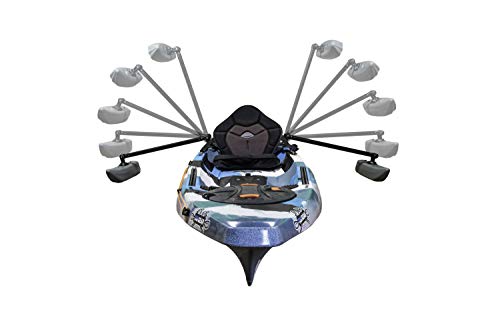
Reference features: Includes two outriggers, one on each side, for balanced stability. Adjustable arms are 30″ long and connect to the boat via a Railblaza StarPort HD mount (included).
Best for: Anglers and cruiser paddlers who want balanced support on both sides. Why selected: The dual-outrigger setup with RailPort compatibility provides steadiness without sacrificing accessibility. Caution: Installation requires compatible mounting points on the boat.
VEVOR Kayak Stabilizers (2 PCS)

Reference features: PVC inflatable outriggers with Sidekick arms and a connecting rod, providing a stable platform. Adjustable length from 81.5″ to 94″ and a total length up to 94″ when connected. Foldable and portable with a dual-valve system.
Best for: Paddlers seeking portable stability that travels easily. Why selected: The inflatable design simplifies transport and storage, while offering substantial stabilization. Caution: Requires inflation before use and proper venting to maintain buoyancy.
Kayak Outrigger Stabilizer, DAUERHAFT

Reference features: Portable PVC outrigger stabilizer with easy installation and removal. Inflatable design emphasizes ease of use for various water activities, including kayaking and canoeing.
Best for: Casual paddlers seeking a simple, quick-install stabilizer. Why selected: Easy setup suits beginners and those who want a lightweight balance upgrade without complex mounting. Caution: Inflation pressure should be balanced to avoid over-expansion of the tubes.
Mahugde Kayak Float 2X PVC

Reference features: High buoyancy with large inflatable outriggers, dual valves for quick inflation/deflation, and adjustable arm length via connection rod holes.
Best for: Budget-conscious paddlers who want strong buoyancy with adjustable balance. Why selected: Simple, effective stabilization with easy customization. Caution: Check compatibility with your kayak’s mounting points and storage needs when inflated.
Buying Guide
What should I consider when choosing kayak outriggers?
- Mounting compatibility: Do you have a track system or flat rails? Choose outriggers that match your boat’s mounting points.
- Stability needs: For calm lakes, lighter inflatable kits may suffice; for rough water, rugged aluminum or metal-frame designs offer more rigidity.
- Portability: If you travel often, consider inflatables or foldable designs that pack small.
- Adjustment range: Longer arms provide more leverage but take up more space. Look for adjustable lengths to tailor balance.
- Materials and durability: Aluminum is durable and corrosion-resistant; PVC inflatables are lighter and portable but need careful care.
- Ease of installation: Quick-install kits save time and reduce setup complexity for casual users.
How do outriggers affect performance?
- Stability improves significantly with evenly distributed buoyancy on both sides of the kayak.
- Drag may increase slightly; choose designs that minimize wind and water drag for paddling efficiency.
- Inflatable systems are forgiving for storage but require regular checks for leaks and valve integrity.
When to avoid certain options?
- Avoid overly long arms on small kayaks where clearance is an issue.
- Avoid mounting systems that require extensive drilling if you have a rental or non-permanent setup.
Installation tips
- Follow manufacturer guidance for secure mounting points and tension.
- Regularly inspect connectors and valves for signs of wear or leakage.
- Test balance in calm water before attempting rougher conditions.
FAQ
- Q: Can outrigger stabilizers be used on all kayak types? A: Most kits work with a variety of kayaks, but verify mounting compatibility and boat width before purchase.
- Q: Are inflatable outriggers safer than aluminum? A: Inflatable systems offer portability and ease of storage, while aluminum systems tend to be more rigid and durable in rough water.
- Q: Do outriggers affect paddling speed? A: They may add slight drag but improve balance and control, reducing the risk of capsize in chop.
- Q: How do I adjust the length of sidekick arms? A: Use the rod holes or adjustable fittings described by the product to tailor balance to your body and kayak width.
- Q: Is installation permanent? A: Some systems are clamp-on or rail-mounted for non-permanent setups; others may require drilling for direct mounts.
- Q: Do outriggers require maintenance? A: Regularly inspect valves, seams, and connectors, especially on inflatable models, to prevent leaks.