Best Marine Wind Speed and Direction Instruments for Safer Sailing
Finding the right wind speed and direction instruments helps skippers make smarter decisions on deck, whether racing, cruising, or sailing dinghies. This guide highlights five well-suited products for American sailors, from compact dinghy indicators to integrated wind kits. Each option is explained with who it’s best for, why it stands out, and any limitations to consider. Use this as a practical quick-reference when choosing a wind instrument for your vessel.
| Product | Best For | Why It Stands Out |
|---|---|---|
| Schaefer Little Hawk MK1 Wind Indicator | Dinghy sailors and small boats | Compact, front-mast mounting; straightforward wind indication for up to 6m boats |
| Sailboat Instrument Kit – Wind Speed with gWind Transducer | All-around sailing rigs needing integrated data | Transducer-based wind data; robust mounting options |
| Five Oceans FO2080 Wind Direction Indicator | Small-to-mid-size sailing vessels | Sensitive vane with ball bearing; day/night visibility |
| Garmin GNX Wind | Serious sailors seeking dedicated wind data | Dedicated wind instrument with clear display fields and wind rose |
| Hawk Wind Indicator MK2 | Dinghies and small boats requiring visibility | Front-mast mounting, UV protected, bright color |
Schaefer Little Hawk MK1 Wind Indicator f/Dinghies Up To 6M

The Schaefer Little Hawk MK1 is designed for small craft and dinghies up to 6 meters. It provides a simple, at-a-glance wind indication that helps sailors time tacks and set sails efficiently on tight quarters. This model emphasizes ease of use in crowded decks, where complex instruments would be cumbersome. It’s best for coastal sailing and dinghy racers who want a straightforward wind cue without extra electronics. A caution: data depth is limited compared to multi-parameter instruments, so it’s primarily a wind cue rather than a full instrument system.
Sailboat Instrument Kit – Wind Speed with gWind Transducer for Accurate Marine Data

This kit targets sailors who want precise wind measurements through a transducer-based setup. It delivers wind speed and other marine data in real time with a robust mounting approach. The kit’s surface-mount option and absence of a dedicated display mean it’s ideal for vessels that already have an instrument cluster or want to customize their own display. It’s better for those who prefer integrating wind data with other onboard instruments rather than relying on a standalone panel. One consideration is setup complexity for first-time installers.
Five Oceans 14-1/2-Inch Wind Direction Indicator, FO2080
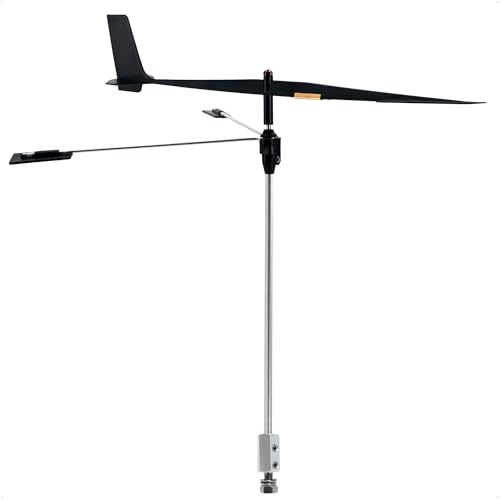
The Five Oceans FO2080 provides a robust wind direction indication with a 14-1/2 inch vane and sensitive ball bearing. This unit is suited for boats around 15 feet and larger, offering reliable wind cues even in lighter breezes. It’s a practical upgrade for cruisers who want a sturdy, visible indicator on deck, especially when sun or spray can obscure smaller gauges. A potential limitation is its larger size; ensure mounting space aligns with your mast or transom configuration.
Garmin GNX Wind, Affordable, Dedicated Wind Instrument for Sailboats
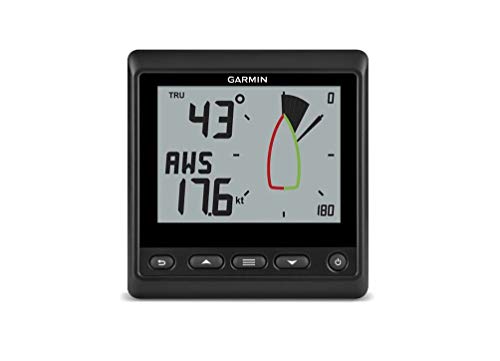
The Garmin GNX Wind is a dedicated wind instrument designed for sailboats seeking clear wind data. Its glass-bonded backlit LCD and high-contrast digits improve readability in various lighting conditions. It displays true and apparent wind data across two data fields and a digital wind rose. This option is best for sailors who want precise wind visualization without a full navigation system. A limitation is that it emphasizes wind data display; integration with other boat instruments may require compatible interfaces.
Hawk Wind Indicator MK2, Multicoloured (hk2)

The Hawk Wind Indicator MK2 is a multicolored wind cue designed for dinghies up to 6 meters. It mounts at the gooseneck height on the mast and is fully UV-protected. The bright color improves visibility in busy decks or rough seas, making it easier to read wind direction quickly. It’s ideal for dinghy racers seeking a lightweight, low-profile indicator. One caveat is that it focuses on visual indication rather than advanced data metrics, so buyers needing numerical wind speed will require a secondary device.
Buying Guide
What wind instrument should you choose?
- Boat size and type: Small dinghies benefit from compact indicators like the Schaefer Little Hawk MK1 or Hawk MK2. Larger sailboats may prefer FO2080 or Garmin GNX Wind for more robust readings.
- Data needs: If you want only wind direction cues, directional indicators are sufficient. For precise wind speed and apparent wind data, consider transducer-based kits or dedicated wind instruments.
- Installation and compatibility: Surface-mount options suit vessels with limited cockpit space. Transducer-based kits may require hull fittings and onboard wiring. Check that your existing mast, display cluster, or helm layout can integrate the instrument.
- Visibility and reliability: Look for wind indicators with day/night visibility (reflector tape, UV protection) if you sail in varied lighting. Ball bearings and vane sensitivity matter for accurate readings in light winds.
- Maintenance: Devices exposed to spray and sun need durable construction and easy-to-clean surfaces. UV protection helps longevity for outdoor use.
Quick comparison by use-case
- Best for dinghy racing on up to 6m boats: Schaefer Little Hawk MK1 or Hawk MK2
- Best for integrated wind data with existing displays: Sailboat Instrument Kit with gWind Transducer
- Best for clear wind direction with visibility in all lighting: Five Oceans FO2080 or Windex 10C
- Best for dedicated wind data with a high-contrast display: Garmin GNX Wind
FAQ
- What is the difference between wind speed and wind direction instruments? – Wind speed instruments measure how fast the air is moving, while wind direction indicators show the direction from which the wind originates or the direction the wind vane is pointing.
- Do I need a transducer-based system on a small boat? – Not necessarily. For basic sailing cues on small boats, a simple wind vane indicator may suffice, but transducer-based systems provide precise wind speed and apparent wind data.
- Can these instruments read in low wind conditions? – Some indicators are designed to be sensitive in light winds, but performance varies by model and vane design. Check vane sensitivity and bearing design for light-wind performance.
- Are color indicators better for visibility? – Multicolored indicators can improve visibility on busy decks, especially in rough sea conditions or bright sun.
- Will these integrate with other onboard displays? – Many modern wind instruments offer interfaces to display units or multifunction displays. Confirm compatibility with your helm setup before purchasing.
- What maintenance is required? – Regular cleaning of vanes, securing mounting hardware, and checking seals to prevent corrosion will help maintain accuracy and longevity.