Best Marine Paint for Plastic: Top Picks for Plastic Boat Parts and Vinyl Surfaces
Answering the question “which marine paint works best on plastic and vinyl in and around boats?” this guide highlights five top options that perform well on plastic-like surfaces such as fiberglass composites, vinyl-covered areas, and other non-metal substrates. Each product is evaluated for best-fit scenarios, ease of application, and potential limitations. Ideal buyers include boat owners refinishing plastic trims, vinyl deck surfaces, or external plastic hull accents, as well as marine vinyl restorers seeking durable, color-retentive finishes.
| Product | Best For | Notes |
|---|---|---|
| Rust-Oleum 396959 Marine Coatings Topside Paint (White) | Fiberglass and above-waterline surfaces | Oil-based; fast-drying; good leveling |
| TotalBoat Wet Edge Topside Marine Paint (White, Quart) | Fiberglass, metal, wood above waterline | 1-part formula; high gloss; durable |
| Rust-Oleum 207006 Marine Coatings Topside Paint (Black) | Fiberglass and non-metal surfaces above waterline | Oil-based; quick dry; broad compatibility |
| TotalBoat Wet Edge Topside Marine Paint (Sea Foam, Quart) | Fiberglass, metal, wood above waterline | High gloss; multi-season; easy application |
| SEM M25083 Carver White Marine Vinyl Coat (12 oz) | Marine vinyl surfaces and plastic trims | Vinyl-specific coating; marine-grade |
Rust-Oleum Marine Coatings Topside Paint White

Best for: Non-metal, above-waterline surfaces such as fiberglass or cured plastics that resemble wood or metal prep needs. This oil-based formula is flexible and levels well, helping create a smooth topcoat over plastic laminates or fiberglass-reinforced plastics common on boats. It dries to the touch in about 1–2 hours and covers up to 100 sq ft per gallon, making it suitable for small to medium plastic trim patches or hull accents.
Why selected: The white Topside variant offers a clean, classic marine look with dependable leveling, which helps hide minor surface texture on plastic substrates. Its oil-based consistency aids adhesion on slightly flexing plastic components near the waterline. Best for buyers who want a straightforward brush-and-roll option with quick dry times.
Limitations: This paint is oil-based; cleanup requires mineral spirits, and odor can persist during application. Avoid use on surfaces repeatedly submerged or in highly humid environments without adequate ventilation.
TotalBoat Wet Edge Topside Marine Paint White

Best for: Above-waterline applications on fiberglass, metal, wood, and some plastic substrates where a high-gloss, durable finish is desired. The 1-part formula supports straightforward application via brush, roller, or spray, and is designed to resist cracking and peeling over multiple seasons.
Why selected: TotalBoat Wet Edge emphasizes color and gloss retention with a chemical- and scratch-resistant finish, making it a solid pick for plastic trims and exterior accents exposed to sun and salt. It’s versatile for power boats, sailboats, and RV exterior trim that include plastic components.
Limitations: It is formulated for above-waterline use; not intended for constant immersion. Cleanability and maintenance are easier with regular washes to preserve gloss on plastic surfaces.
Rust-Oleum Marine Coatings Topside Paint Black

Best for: Dark, above-waterline surfaces on fiberglass, wood, or plastics that require a uniform, durable finish. The black variant provides a versatile backdrop for vinyl accents or trim on plastic boat parts.
Why selected: The black option mirrors the white variant in stability and fast-drying properties, making it a practical choice when a dark, durable topcoat is desired on plastic substrates that may see frequent handling or exposure to sun and salt.
Limitations: Like other oil-based topside paints, it requires proper ventilation and longer cure times in damp conditions. Recoat windows should be respected to avoid extended tackiness on plastic surfaces.
Rust-Oleum 396958 Navy Blue Topside Paint

Best for: Visual accents on plastic or composite boat parts where a navy-blue topcoat adds depth and protection above the waterline. This oil-based paint dries quickly and levels well for a smooth finish on non-metallic surfaces.
Why selected: Navy blue provides a classic marine look that pairs well with white or gray vinyl trims on plastic components. It supports long-lasting color retention in sun and salt exposure when used as an exterior topcoat.
Limitations: Avoid prolonged immersion on plastic surfaces; ensure proper surface preparation to maximize adhesion on smooth plastic or vinyl substrates.
Rust-Oleum 1986730 Brush Painter’s Touch Ultra-Cover Enamel
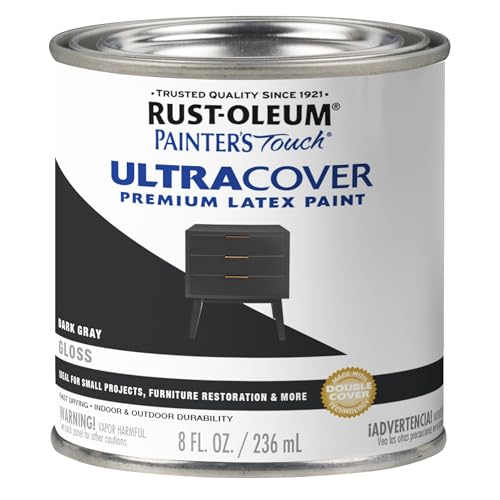
Best for: General indoor/outdoor projects on wood, metal, plaster, masonry, or unglazed ceramic. While not a marine product per se, its enamel finish shares comparable durability for plastic or vinyl trim on boat interiors when marine-grade topcoats are not required.
Why selected: This enamel provides quick-dry options and good chip resistance, useful for smaller plastic patches or non-marine sections of a boat where a robust finish is desired.
Limitations: It is not specifically formulated for prolonged saltwater exposure; surface prep and topcoating with a marine-grade product are recommended for actual marine use on plastics.
SEM M25083 Carver White Marine Vinyl Coat

Best for: Marine vinyl surfaces and plastic trims on boats where a vinyl-specific coating is advantageous. This product targets vinyl coatings used on seating, dashboards, and other vinyl-covered plastic components.
Why selected: The Carver White Marine Vinyl Coat is designed to enhance and protect vinyl surfaces commonly found on boat interiors and exterior trims. It provides color retention and flexibility suitable for vinyl substrates found in marine environments.
Caution: Verify compatibility with your specific vinyl substrate and follow recommended curing times to avoid surface tackiness on hot days or high humidity.
Buying Guide
What to consider when choosing marine paint for plastic and vinyl surfaces
- Substrate compatibility: Check if the coating is designed for plastic, vinyl, fiberglass, or a combination. Plastic and vinyl surfaces often need flexible, vinyl-friendly formulations to prevent cracking.
- Topside vs. below-waterline: Most paints listed are topside paints intended for above-waterline use. Do not apply to submerged surfaces unless explicitly approved by the manufacturer.
- Finish and appearance: Gloss or high-gloss finishes on plastic trims can improve UV resistance and color retention. Matte finishes may hide surface imperfections but show wear more readily.
- Drying time and recoat window: Fast-drying options speed up projects but require careful handling to avoid brush marks on plastic. Respect recoat times for best adhesion.
- Cleanup and maintenance: Oil-based topsides require solvent cleanup; water-based alternatives simplify cleanup but may have different flex characteristics on plastic.
- Durability vs. flexibility: Plastic substrates benefit from flexible, impact-resistant coatings to accommodate expansion, contraction, and sun exposure without cracking.
- Application method: Some paints offer brush/roll and spray applicability. For larger plastic areas, spray methods can yield the best finish with less texture.
FAQ
- Can I use marine topside paint on plastic surfaces?
- Is a clear primer necessary for plastic surfaces?
- How long should I wait before exposing painted plastic to saltwater?
- Are oil-based topsides safer for plastic than water-based options?
- Can I mix colors on plastic surfaces?
- What is the best choice for vinyl trims on a boat?
Yes, many topside paints can be used on non-metallic substrates like fiberglass and certain plastics, provided the product explicitly states compatibility with plastic or vinyl.
Primer requirements vary by product. Some TotalBoat Wet Edge formulations are designed to be applied directly, while others benefit from a compatible primer to improve adhesion on plastics.
Follow the manufacturer’s cure times; typically, full cure can take 7 days or more, depending on temperature and humidity. Short-term exposure should be minimized until cured.
Oil-based topcoats often provide superior leveling and adhesion on certain plastics, but they require solvent cleanup and have stronger odors. Water-based options offer easier cleanup and lower odor but may require more surface preparation.
In general, mixing colors is safe if the products are compatible and designed for mixing. Use the same brand and product family to ensure consistent performance on plastic substrates.
All-purpose marine vinyl coatings, like SEM Carver White Marine Vinyl Coat, are designed specifically for vinyl surfaces and offer flexible, durable protection for plastic trims and upholstery.