Best Marine Antifouling Paints for Hulls That Stay Clean and Fast
Answering the common buyer question: which antifouling paints provide reliable protection for fiberglass, wood, and steel hulls across saltwater and freshwater conditions? This guide highlights five practical options for regular-use boats, including sailboats, power boats, and work boats. Each pick targets a specific scenario—from economical single-season protection to low-odor, easy-cleanup options for marina environments. Read on to determine who each product is best for, and why it was chosen for this list.
Summary of selected products
| Product | Boat Type Fit | Best For | Notes |
|---|---|---|---|
| TotalBoat Underdog Marine Antifouling Bottom Paint (Black, Gallon) | Fiberglass, Wood, Steel | Frequent-use saltwater boats | Economical, durable finish, low buildup |
| TotalBoat JD Select Ablative Antifouling Bottom Paint (Black, Quart) | Fiberglass, Wood, Steel | Season-long protection with low odor | Low VOC, easy cleanup |
| TotalBoat JD Select Ablative Antifouling Bottom Paint (Black, Gallon) | Fiberglass, Wood, Steel | Season-long protection for larger boats | Self-polishing, burnishable for smoothness |
| TotalBoat Outdrive AF Aerosol (Black, 12 oz.) | Propellers and underwater metals | Metal parts and outdrives | Fast-drying, zinc-based corrosion control |
| Interlux YBA064A/16 Trilux 33 Aerosol (Gray, 16 oz.) | General antifouling needs | Best-in-class aerosol option | Premium aerosol for easy touch-ups |
TotalBoat Underdog Marine Antifouling Bottom Paint (Black)
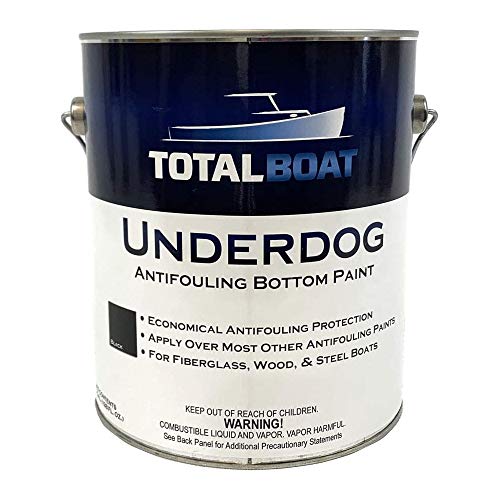
Best for frequent saltwater use, this economical bottom paint delivers single-season protection. It uses copper biocide to deter barnacles and mussels, and remains durable through trailering and beaching. Suitable for properly prepared fiberglass, wood, steel, and iron hulls. It reduces paint buildup over the season because the ablative coating wears away as the boat moves.
Who it’s for: owners who want an affordable, reliable option for boats used often in saltwater. Limitation: it requires proper hull preparation and reapplication each season to maintain protection.
TotalBoat JD Select Ablative Antifouling Bottom Paint (Black, Quart)

This ablative, self-polishing coating keeps barnacles, weeds and slime from sticking for a full season. It’s ideal for fiberglass, wood and steel boats in salt or freshwater. The low-odor, low-VOC formulation cleans up with soap and water, making it suitable for marinas with environmental restrictions.
Who it’s for: boat owners seeking a low-odor, easy-cleanup option with marina-friendly environmental credentials. Limitation: quart size may require more frequent top-offs for larger vessels or heavy-use fleets.
TotalBoat JD Select Ablative Antifouling Bottom Paint (Black, Gallon)

This gallon variant provides the same self-polishing, ablative protection as the quart, but is sized for larger boats or longer seasons. It minimizes bottom paint buildup to reduce sanding next season, and can be burnished for a smoother, faster finish that may improve fuel efficiency.
Who it’s for: larger vessels or long-season users who want durable, season-long protection with less maintenance. Caution: ensure complete coverage and proper curing before launch, as with all ablatives.
TotalBoat Outdrive AF Aerosol (Black, 12 oz.)

Designed to inhibit corrosion on propellers, outdrives, shafts and other underwater metals, this aerosol provides fast-drying protection. It includes zinc pyrithione to help keep metal surfaces smooth in service. Best used with at least two coats for single-season protection.
Who it’s for: boaters needing targeted protection for underwater metal components. Limitation: aerosol formats may require careful application to ensure even coverage on complex shapes.
Interlux Trilux 33 Aerosol Antifouling Paint (Gray)
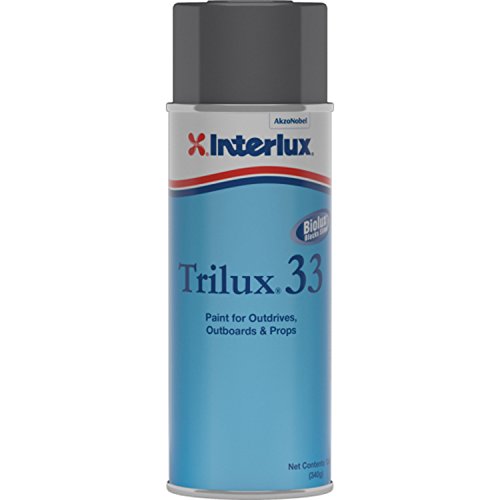
Interlux Trilux 33 is positioned as a best-in-class aerosol antifouling option. It suits boats requiring reliable protection with straightforward spray application. It’s a robust choice for quick touch-ups and targeted areas where fouling is most common.
Who it’s for: users who prefer premium aerosol coatings and want easy, spray-on application. Limitation: aerosol products may have higher per-coat costs and require ventilation and safety measures during application.
Buying Guide
What type of hull and environment are you protecting?
Fiberglass, wood and steel hulls respond differently to coatings. Ablative (self-polishing) paints wear away as the boat moves, reducing buildup but requiring reapplication each season. Non-ablative options may last longer between coatings but can accumulate more quickly in heavy-use scenarios.
Do you operate mainly in saltwater or freshwater?
Saltwater use commonly benefits from copper-based biocides to deter organisms. Freshwater use often tolerates alternatives with lower biocide content. Choose a formula rated for your water type to maximize effectiveness and minimize environmental impact.
How important is odor, fumes, and cleanup?
Low-VOC, water-based formulas clean up with soap and water and are marina-friendly. If environmental restrictions exist, these options offer practical advantages while maintaining performance.
What is the planned maintenance schedule?
Ablative paints wear away gradually, which can reduce sanding but may require yearly reapplication. Non-ablative options can build up over time, demanding more prep work before repainting.
How large is your boat and how often do you trailer?
Larger vessels or frequent trailering increases the importance of a durable finish that resists wear. Gel-coated or properly prepped hulls benefit from a coating tailored to long-season protection.
FAQ
- What does “ablative” mean in antifouling paints? It refers to a self-polishing coating that gradually wears away as the boat moves, reducing paint buildup and easing future sanding.
- Is low-odor or low-VOC paint safer for marinas? Yes. Low-VOC formulations reduce fumes and environmental impact, making them preferable in marina environments.
- How many coats are needed for single-season protection? Most products recommend at least two coats for consistent, durable coverage, though some single-season options may suffice with proper prep.
- Can I use antifouling paint on all hull materials? Most products are suitable for fiberglass, wood, and steel, but always verify compatibility with your hull and follow manufacturer prep instructions.
- When should I reapply antifouling paint? Reapplication timing depends on usage and water conditions; frequent use in saltwater often requires annual repainting.
- Are aerosols easier to apply? Aerosol formats offer convenient spot treatment and easy spray-on coverage, but may require careful masking and ventilation.