Best Live Rock Marine Aquarium Options for Natural, Stable Reef Setups
Discover top live rock choices for creating authentic, biologically balanced marine and reef aquariums. This guide highlights five reliable options, each suited to different tank sizes and aquascaping goals. Whether you’re building a dramatic reef, a serene open reef, or a species-rich display, these picks help establish natural-looking structures and robust biological filtration. Best for hobbyists seeking easy setup, flexible layouts, and dependable coral attachment surfaces.
| Product | Tank Suitability | Best For |
|---|---|---|
| CaribSea LifeRock Base Rock | Small to Medium Tanks | Natural foundation, easy aquascaping |
| Carib Sea Life Rock Arches | Small to Large Tanks | Natural caves and arches, coral attachment |
| Real Reef Premium Live Rock (40 lb) | Medium to Large Tanks | Unique shapes, porous for filtration |
| Real Reef Original Rock (25 lb) | Small to Medium Tanks | Eco-friendly, bio-active, pH stability |
| Real Reef Shelf Rock (10 lb) | Any Tank Size | Flat, platform-friendly for corals |
CaribSea LifeRock Base Rock — Natural Aragonite Foundation

Best for: hobbyists who want a natural, aragonite foundation that resembles real reef rock. This base rock is designed for quick assembly, allowing easy creation of custom formations without glue. Its porous, textured surface provides secure attachment points for coral frags, supporting a thriving reef landscape.
Why selected: It closely mimics natural reef rock in appearance and texture, while simplifying the scaping process. The porous surface promotes beneficial microbial growth and coral attachment, contributing to stability in small to mid-sized tanks.
Caution: Pieces may vary slightly in shape; plan for extra rock to finish complex structures.
Carib Sea Life Rock Arches for Aquariums
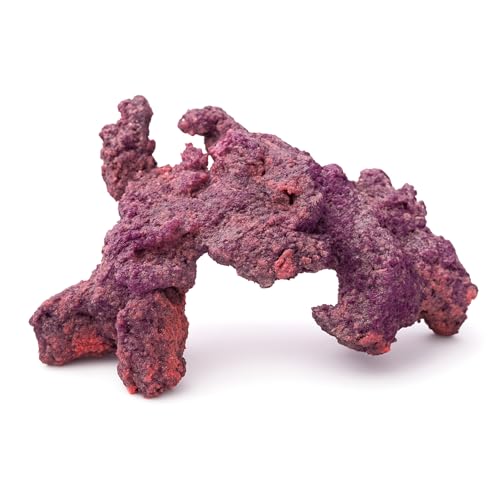
Best for: aquascapers who want dramatic natural arches and tunnels. The four 12″ rocks create cave-like structures while offering ample surface area for coral frag placements. The porous aragonite aids in natural filtration and biological balance.
Why selected: Arches provide visual depth and functional hiding places for fish and invertebrates, while supporting coral growth on irregular surfaces. Pick this if you value architectural variety in your reef display.
Caution: Individual rocks may vary in formation; ensure stability when stacking to avoid tipping.
CaribSea LifeRock Dreamscapes Kit — 15-25 Gallon Tanks
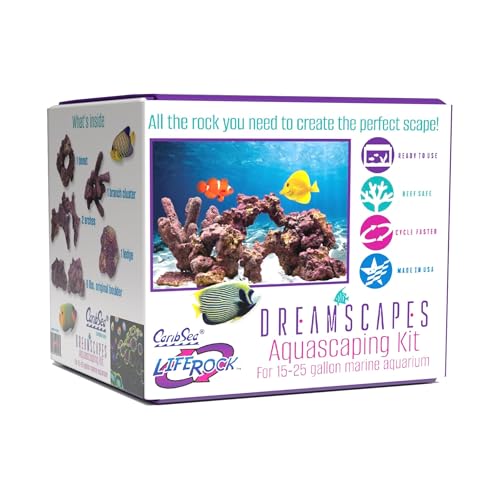
Best for: aquarists with 15-25 gallon tanks seeking lifelike, natural formations. This kit emphasizes porous rock that supports biological balance and affords easy stacking for caves, arches, and tunnels.
Why selected: It combines realism with flexible design, making it easy to craft varied reefscapes while maintaining efficient filtration and stability.
Caution: Kits are designed for mid-sized setups; larger tanks may benefit from additional rock volumes for mass balance.
Real Reef Original Rock — 25 lb Mixed Box

Best for: aquarists seeking an eco-friendly, reef-safe option with a mix of shapes and sizes. The porous calcium-carbonate composition supports natural biological filtration and provides inherent pH buffering for long-term stability.
Why selected: The varied pieces enable creative layouts and natural-looking rock communities. The material’s bio-active potential helps establish a mature marine environment in a range of tank sizes.
Caution: With a 25 lb variety, some buyers may need additional pieces to complete larger installations.
Real Reef Shelf Rock — 10 lb Mixed Box

Best for: anyone building horizontal shelves and coral platforms. This shelf rock mimics Tonga Shelf Rock and provides stable, flat surfaces ideal for placing coral frags and clams.
Why selected: Its flat surfaces and mixed sizes allow versatile, multi-layered reef builds without sacrificing stability. It complements other rock types for hybrid designs.
Caution: The flat pieces may require careful positioning to avoid toppling in aggressive or fast-swimming fish tanks.
Buying Guide: Key Considerations For Selecting Live Rock
- Tank size compatibility: Choose heavier, larger rocks for bigger tanks to maintain stability and reduce movement during maintenance.
- Porosity and bio-filtration: Highly porous rock supports beneficial bacteria and natural filtration, contributing to stable pH and water quality.
- Surface texture: Rough, irregular surfaces provide more attachment points for corals and a greater area for beneficial organisms.
- Aesthetic goals: If you want dramatic architecture, prefer arches, caves, or shelf shapes. For natural-looking rubble or islands, mixed-size bases work well.
- Eco and safety: Look for reef-safe, non-harvested options when possible to minimize environmental impact and avoid contaminants.
- Maintenance and stability: Consider weight distribution and overall layout to minimize rearrangement during routine care.
How to Plan Your Live Rock Layout
- Start with a sturdy base: place larger pieces on the bottom for a stable structure.
- Create vertical interest: build islands or arches to encourage fish movement and coral placement.
- Leave space for equipment: ensure enough room for filtration, heaters, and surface skimming.
- Aim for natural appearance: mix shapes and sizes to mimic real reef textures.
FAQ
What is live rock best used for in marine tanks?
Live rock provides a natural skeleton for the reef, housing beneficial bacteria, supporting biological filtration, and offering surfaces for coral attachment.
How does porosity affect aquarium health?
Porous rock has more surface area for beneficial microbes, which helps stabilize water chemistry and improve filtration.
Can I mix different brands of live rock?
Yes. Mixing types can create varied textures and structures, but plan a cohesive design and ensure compatibility with your tank’s filtration and occupants.
How much live rock do I need for a 20-gallon reef?
A typical range is 1.5 to 2.5 pounds per gallon, depending on desired rock density and space for corals.
Are Real Reef rocks reef-safe?
Real Reef products are marketed as eco-friendly and reef-safe, designed to support biological filtration without relying on wild-reef harvesting.
Is there a risk of algae growth on bare rock?
New rock can accumulate algae before corals establish balance; ensure proper lighting, nutrients, and flow to manage growth.