Best Ethanol Gas Treatment for Boats: Protect Your Fuel System on the Water
Answering the common question “which ethanol gas treatment for boats should I use?” this guide identifies five top options designed to protect boat fuel systems from ethanol-related issues, stabilize fuel, and improve in-season performance. Each product targets boaters who want smoother starts, reduced corrosion, and better engine efficiency. The following picks are chosen for their clear use cases: saltwater and freshwater boaters, small engine users, and those seeking long-term fuel stability. A quick buying table helps you compare core benefits at a glance.
| Product | Best For | Key Benefit |
|---|---|---|
| STA-BIL 360 Marine Ethanol Treatment (22260) | In-season marine use | Cleans fuel system, rust protection |
| Star Tron Enzyme Fuel Treatment (014316) | Old or mixed gas | Prevents ethanol problems, improves MPG |
| STAR BRITE Star Tron Enzyme (032) | All engines and fuels | Stabilizes up to 2 years |
| STA-BIL 360 Marine Ethanol Treatment (22241) | Water-prone environments | Moisture management, corrosion prevention |
| STAR BRITE Star Tron Enzyme (093008SS) | Small engines and boats | Treats multiple gallons, enzyme-based |
STA-BIL 360 Marine Ethanol Treatment And Fuel Stabilizer

This product focuses on cleaning the fuel system while providing corrosion protection. It targets fuel injectors, lines, and pumps using PEA additives. It helps remove water, gum, and varnish, supporting smoother engine operation. Best for boaters seeking a single-step treatment that protects internal parts during the boating season.
Best for: Boats with ethanol-blended fuels that need in-season maintenance and corrosion protection. The formula emphasizes keeping the fuel system clean to maintain performance. A potential limitation is that results depend on current system condition and fuel quality.
Why selected: Combines fuel-system cleaning with corrosion protection, aiming to reduce maintenance intervals during use. This makes it a practical all-around choice for regular boaters who want ongoing protection.
Star Tron Enzyme Fuel Treatment – Small Engine Formula

This enzyme-based treatment targets ethanol-related issues and is designed to rejuvenate and stabilize older gasoline. It can help engines start smoothly after inactivity and improve fuel economy by removing gum and varnish buildup. Best for boat owners with older or summer-stored fuel who want to reduce performance dips.
Best for: Small engines and older boats experiencing rough idling or decreased MPG due to ethanol. Caution: enzyme products may take longer to show effects if fuel is severely degraded, and results depend on storage conditions.
STAR BRITE Star Tron Enzyme Fuel Treatment – Concentrated Formula 32 Oz

This concentrated formula treats large volumes and is marketed as an all-round engine solution for all fuels. It stabilizes fuel for up to two years and is suitable for boats that operate irregularly or store fuel for long periods. Best for: boats with multi-fuel needs and long storage times who require a robust stabilizer.
Caution: Concentrated formulas should be used according to label directions to ensure compatibility with specific engines and fuel systems.
STA-BIL 360 Marine Ethanol Treatment And Fuel Stabilizer (100 Gallon, 10 oz)
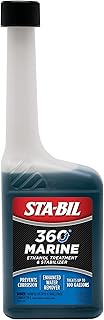
America’s #1 Ethanol Treatment focuses on preventing ethanol-related damage in water environments. The advanced formula aims to better remove moisture, which is a common issue in boats stored in humid or humid-warm climates. Best for: boaters seeking proven moisture removal and corrosion defense for a variety of watercraft engines.
Limitation: Useful for moisture control, but consider boat-specific storage conditions to maximize effectiveness.
STAR BRITE Star Tron Enzyme Fuel Treatment – Concentrated Formula 8 Ounce

This smaller bottle provides a compact option for boaters who want enzyme-based stabilization for smaller fuel tanks or emergency use. It treats up to 128 gallons, making it suitable for travelers, rental boats, or boats with smaller fuel capacities. Best for: small boats or occasional use where space and portability matter. Limitation: May require more frequent doses for larger tanks.
Buying Guide
What should I look for in an ethanol fuel treatment for boats?
Consider fuel type, engine compatibility, and storage conditions. Enzyme-based formulas can help with older or degraded fuel, while traditional cleaners focus on removing water and varnish. If you store fuel in humid climates, moisture management is crucial.
How do I choose by boat type and engine?
Small outboards and recreational craft benefit from products that stabilize fuel and prevent corrosion. Larger marine engines may require stronger corrosion inhibitors and longer-term stabilization. Choose a product that specifies compatibility with your engine size and fuel type.
Do I need different products for storage vs. seasonal use?
Yes. For long-term storage, a high-stability formula that protects against varnish and moisture is ideal. For in-season use, a cleaner that maintains the fuel system and reduces corrosion can help sustain performance during frequent engine starts.
How often should I apply fuel treatment?
Follow product directions for dosage based on gas quantity. In-season use often means more frequent dosing, while long-term storage may require a single stabilizer dose per season. Always ensure you do not exceed recommended amounts.
Are there any safety or handling considerations?
Keep treatments away from ignition sources and store in a cool, dry place. Use protective gear as needed, and follow disposal guidelines if you drain old fuel.
What about ethanol-specific issues like phase separation?
Products that include moisture control and corrosion inhibitors address phase separation risks by removing water and maintaining fuel integrity, which can help prevent engine performance dips.
How do I compare based on gallons treated?
Most products specify treatment capacity (gallons or gallons per bottle). If your boat holds a larger tank, choose products with higher treatment coverage or consider multi-bottle options to maintain consistency across seasons.
FAQ
- Which ethanol fuel treatment is best for small boats? A product designed for marine use with moisture removal and fuel system cleaning is ideal for small boats.
- Can enzyme treatments work on freshly stored fuel? Yes, enzyme treatments help stabilize fresh fuel and prevent buildup; however, they also assist older fuel by rejuvenating it.
- Do ethanol treatments affect engine performance right away? Some improvements may be noticeable after running the engine, such as smoother starts and reduced rough idling, depending on current fuel conditions.
- Should I mix treatments for stored and in-season usage? It’s usually best to choose a primary product based on your typical usage pattern; you can adjust dosing per season as needed, following label directions.
- Are all ethanol treatments safe for marine engines? Most are formulated for marine engines, but always check compatibility with your specific engine model and consult the manufacturer guidelines.
- How long can treated fuel stay stable? Many stabilizers claim stability for up to two years under proper storage; refer to the product’s label for specifics.