Best Boat Engine Compartment Heaters for Cold-Weather Boating and Winter Storage
When you boat in cold weather, protecting the engine compartment from freezing is essential. The right heater keeps bilges warm and dry, reduces winterization costs, and helps prevent damage to pumps and components. This guide reviews five top options and who they’re best for, so you can choose confidently for your boat, RV, or off-grid setup.
Product overview table (quick comparison):
| Product | Best For | Wattage | Key Benefit |
|---|---|---|---|
| Therelmax 500W | Smaller boats, tight spaces | 500W | Adjustable thermostat, fast heating |
| Xtreme Heaters 400W | Budget-friendly, versatile use | 400W | Self-regulating, reliable design |
| Xtreme Heaters 800W | Larger compartments, bigger tanks | 800W | Strong heating with durable fan |
| Haoguo 400W | Classic, simple install | 400W | Self-regulated with 40 CFM fan |
| Therelmax 650W | Balanced performance | 650W | Thermostat control, quick heat |
Therelmax Boat Engine Compartment Heater 500W
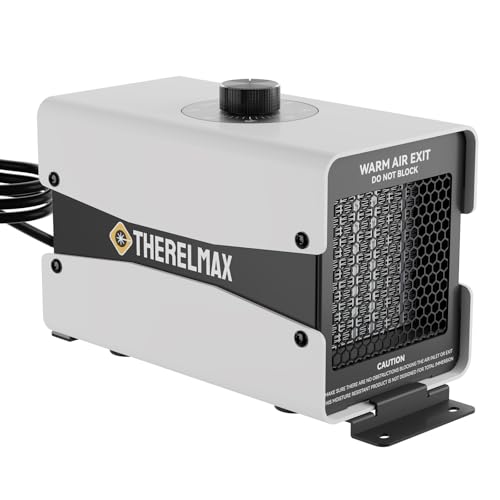
This 500W model is designed to extend the boating season by keeping bilges warm and dry. It’s a compact choice for smaller boats or tight engine bays where space is at a premium. The 3-second fast heating capability helps prevent critical components from approaching freezing temperatures. The built-in adjustable thermostat lets users set a comfortable baseline, with a suggested 46℉ for boat applications. Best for: boaters needing quick, reliable warmth in confined compartments or during short winter outings.
Best used for: keeping engine compartments above freezing during cold patrols or day trips. The unit’s waterproof fan adds an extra layer of protection against moisture. A caution: ensure proper mounting orientation to avoid airflow obstruction and verify power supply compatibility for your boat’s electrical system.
Xtreme Heaters Boat Engine Compartment Heater 400W

This 400W model is positioned as a compact, easy-to-use option for a wider range of vessels, including smaller cabins and underbelly spaces. It uses a self-regulating PTC element and a 58 CFM waterproof fan for steady operation. Best for: boat owners who want a straightforward install with predictable cycling between 40°F and 55°F. It can be mounted in multiple directions, even upside down. A limitation: the 400W output may be insufficient for very large engine compartments or boats with substantial heat loss in frigid environments.
Xtreme Heaters Boat Engine Compartment Heater 800W

The 800W option is designed for larger engine bays or boats that require more robust heating during extended storage or colder climates. It features a self-regulating PTC element and a high-capacity fan for faster heat distribution. Best for: larger boats, cabins with significant heat loss, or winter storage scenarios where stronger heat output reduces overall winterizing work. Caution: higher wattage draws more electrical current, so ensure your boat’s electrical system and circuit capacity can handle it.
Haoguo 400W Self-Regulated PTC Boat Heater

The Haoguo 400W model targets balance between size and output. It offers a stable heating program with a self-adjusting PTC component and a 40 CFM waterproof fan. It’s suitable for boats up to 350 cubic feet and helps prevent cabin pump freezing by maintaining a consistent microclimate. Best for: mid-size engine compartments where space is moderate and a steady temperature is desired. A limitation: 400W may not cover very large or poorly insulated compartments in extreme cold.
Caframo SEEKR by Caframo (Pali) Boat Heater

The Caframo SEEKR by Caframo offers ignition protection guidelines compliance and a safe, self-regulated PTC element. It features dual airflow redundancy with two independent fans, which increases reliability in the event of a single fan failure. Best for: boats where extra safety margins are important, such as boats used in extreme environments or with high-value assets. Caution: availability of parts and service may vary; verify compatibility with your engine bay’s clearance and airflow patterns.
Buying Guide
What size heater do I need?
Measure your engine compartment’s volume (cubic feet) and assess the insulation. Choose a wattage that provides enough heat to maintain a safe temperature without excessive energy draw. For smaller bays, 400–500W models are often sufficient; for larger spaces or very cold climates, 800W or higher may be required.
What features matter most?
- Self-regulating PTC elements provide safety and consistent warmth without manual cycling.
- Built-in thermostats help maintain target temperatures and reduce power use.
- Waterproof fans and corrosion-resistant housings extend life in damp marine environments.
- Multiple mounting directions and upside-down compatibility add installation flexibility.
Where should I install it?
Install in a well-ventilated, dry area of the bilge or engine compartment where air can circulate freely. Avoid obstructions near belts, hoses, or pumps. Ensure the unit is securely mounted and protected from physical damage during operation and rough seas.
Is it safe for winter storage?
Yes, when properly rated for marine use and correctly installed. Look for models with ignition protection, waterproof components, and certified electrical compatibility with your vessel’s electrical system.
Which model should I avoid?
Avoid higher-wattage heaters in very small or poorly insulated bays if they risk overloading electrical circuits. Also avoid units lacking IP-rated protection in damp areas or those without a built-in thermostat for temperature control in variable conditions.
FAQ
- Q: Do these heaters require professional installation?
A: Most can be installed by a capable boat owner, but verify wiring, mounting, and safety standards per the manufacturer’s instructions. - Q: Can I run a boat engine heater while the boat is underway?
A: Many are designed for static use; verify with the product’s guidelines, especially regarding airflow and electrical load during operation. - Q: Will a 400W heater work on a large boat?
A: It may work for smaller compartments, but larger bays often need 650W–800W or more for effective protection against freezing. - Q: Which heater is most reliable for long-term storage?
A: Heaters with self-regulating PTC elements, robust waterproof fans, and corrosion-resistant housings tend to be more durable in storage environments. - Q: What maintenance is required?
A: Regularly inspect for moisture intrusion, clean air pathways, and ensure thermostat and controls operate correctly. - Q: Can these protect the cabin pump from freezing?
A: Yes, when sized appropriately for the space and kept within a safe temperature range, they help prevent freezing in critical components.