Best Kayak Live Bait Storage Solutions for Fresh and Saltwater Fishing
Finding the right live bait storage for kayak fishing helps keep bait lively, reduces drag, and improves your odds on the water. The top picks below are designed for kayak, canoe, and SUP use, offering varied methods to keep shrimp, minnows, shiners, and other live bait alive and accessible. This guide highlights five strong options for kayak anglers, with clear who-that-product-is-for guidance and practical trade-offs.
Summary table of selected products:
| Product | Best For | Key Benefit | Limitations |
|---|---|---|---|
| Torpedo Bait Bucket | Budget kayakers; saltwater or freshwater | Low-drag, water-friendly design that keeps bait cool and moving | Manual, no pump or power |
| Baitshark Kayak Livewell | Long sessions; competition anglers | No pumps, uses water movement; hydrodynamic and space-saving | May rely on kayak motion for airflow |
| R&R Tackle Live Bait Tube (Small Triple) | Surface-saltwater or freshwater; simple setups | Individual tubes reduce tangles; versatile mounting | Smaller capacity per unit |
| Berkley PowerBait Power Tube | Tube-based baiting; color/attractant options | Proven bait upgrade with scent options | Traditional tube design; may require pairing with bait |
| Bait Up 20 Live Bait Container | Floating, low-maintenance bait | Patented floating basket; dual lid design to reduce losses | May not suit all kayak cockpit layouts |
Torpedo Bait Bucket: Low-Drag Live Bait for Kayaks

The Torpedo Bait Bucket is designed for kayak, canoe, and SUP fishing. It stays out of the way during paddling, enabling continuous water contact for live bait. It works for both saltwater and freshwater species, including shrimp and minnows. Best for kayakers who want a compact, space-efficient solution with minimal setup. A key advantage is cooler water and better circulation since the bucket sits lower in the water and avoids larger, space-hogging containers.
Who it’s best for: Kayak anglers who prioritize minimal drag and easy access to live bait during longer paddles. Why selected: It combines a simple, battery-free design with continuous water exchange, helping bait stay lively without extra equipment. Caution: Not ideal if you require very large bait quantities or heavy use in high-density baiting scenarios.
Baitshark Kayak Livewell: Oxygen-Free Water Flow

The Baitshark Livewell uses pressure differences from water movement to force fresh, oxygen-rich water through the bait chamber. It requires no pumps, hoses, or batteries, relying entirely on the kayak’s motion. The design aims to reduce drag with a hydrodynamic shape and to keep the deck uncluttered by living behind the kayak rather than in the cockpit. Best for long sessions and tournament-style fishing where consistent bait vitality matters.
Who it’s best for: Kayak anglers seeking a battery-free, water-movement-driven solution for all-day reliability. Why selected: It minimizes drag and space use while maintaining bait vitality. Caution: Effectiveness depends on steady water movement; in calm conditions, performance could be reduced.
R&R Tackle Live Bait Tube (Small Triple)

R&R Tackle offers a small triple-tube system that holds individual baits separately, reducing tangling common with bait-on-leader setups. It can be mounted with suction cups or an adjustable arm for flexible placement. Best for anglers who want organized, easy-to-access bait segments and less chance of tangling when casting. A limitation is the smaller capacity per tube, so users may reload more often on longer trips.
Who it’s best for: Kayak anglers who value organized storage and modular mounting options. Why selected: Independent tubes help keep live bait orderly and ready, minimizing tangling risk. Caution: Limited capacity means more frequent refills during extended sessions.
Berkley PowerBait Power Tube

Berkley’s Power Tube is a proven bait container with an upgrade path through color and scent options. The PowerBait line is widely recognized for attracting and sustaining activity in live bait. This option is best for anglers who want a familiar, easily integrated tube system with added attractants. It is a solid choice when you want a straightforward, reliable tube setup without complex electronics.
Who it’s best for: Kayak anglers seeking a familiar, effective tube bait system with scent and color enhancements. Why selected: Combines established bait science with a simple, portable design. Caution: Traditional tube setups may require regular inspection to prevent bait drying and tangling in dense casts.
Bait Up 20 Live Bait Container
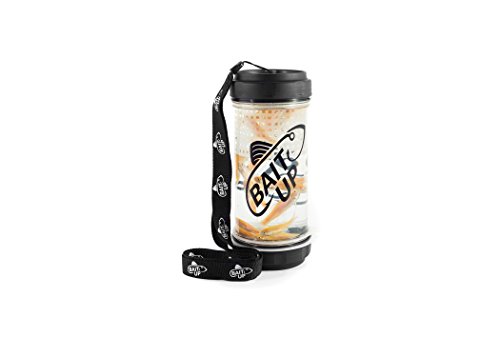
The Bait Up 20 container features patented floating basket technology and a dual lid design to reduce bait loss. It is designed to sit in water rather than clutter the deck, helping keep the cockpit free during paddling. Best for anglers who want a set-it-and-forget-it approach with reduced bait spillage. Limitations include potential fit issues on certain kayak models where space behind the cockpit is limited.
Who it’s best for: Kayak anglers who value minimal bait loss and deck clutter. Why selected: The floating basket helps maintain bait vitality with simple operation. Caution: Check compatibility with your kayak’s stern or stern wall to ensure proper water exposure and stability.
Buying Guide: Key considerations for kayak live bait storage
Which design matches my fishing style?
Choose a design based on how you fish. If you paddle long distances, a low-drag bucket like the Torpedo or a behind-the-kayak livewell helps maintain speed and reduces energy use. For all-day reliability in moving water, the Baitshark design offers oxygen-rich flow without pumps. If you prefer modularity, R&R Tackle tubes provide individual baits with flexible mounting options.
What about capacity and accessibility?
Capacity matters when you fish in larger rivers or saltwater flats. Tubes and small triple sets are great for quick access and reduced tangling, while larger live wells offer more bait storage but may sit behind or inside the kayak’s cockpit. Accessibility matters more when you need to reach bait quickly while keeping hands dry and bait alive.
Is there a risk of added drag or deck clutter?
Yes. Products designed to sit lower in the water or behind the kayak, or those with streamlined shapes, tend to add less drag. Floating or behind-deck solutions minimize cockpit clutter, improving paddling efficiency and casting range.
What maintenance and simplicity are you looking for?
Battery-free options reduce maintenance and failure risk. Designs that rely on water flow or passive diffusion tend to require less upkeep than pump-driven systems. Simpler systems are easier to install and adjust between trips.
Materials and durability considerations
Look for heavy-duty PVC or similar durable materials for river and saltwater use. The ability to withstand impacts, UV exposure, and repeated wet-dry cycles is crucial for kayak life. Strong mounting points and corrosion-resistant hardware extend the product’s life in harsh environments.
Choosing the right mounting and space strategy
Consider where you will place the unit. Behind the kayak, in the cockpit, or on a paddle mount can affect accessibility and balance. Ensure the setup does not impede paddling, line handling, or rod placement.
FAQ
- What is the best bait container for kayak trips with long paddles? A low-drag, behind-the-kayak or bottom-mounted design, such as the Torpedo Bait Bucket, tends to minimize resistance and maintain bait vitality during long paddles.
- Do I need a pump or electricity for live bait on a kayak? No. Some models use water movement or passive diffusion to keep bait alive, reducing the need for pumps or batteries.
- Can these bait systems prevent bait from escaping during wading or rough water? Most designs use secure lids, tubed compartments, or floating basket systems to reduce bait loss, but proper sealing and mounting are essential in rough water.
- Which option reduces deck clutter the most? Bait systems designed to be mounted behind the kayak or to stay out of the cockpit, such as a behind-kayak livewell, typically reduce deck clutter the most.
- Are tube-based bait systems easy to upgrade or customize? Yes. Tube-based systems like the R&R Tackle Small Triple are modular and allow individual baits to be managed separately, which can simplify customization for different trips.