Best Aluminum Boat Float Pods for Superior Buoyancy and Stability
If you’re looking to add buoyancy to an aluminum boat without a full hull redesign, float pods are a practical option. They boost buoyancy, improve planing efficiency, and help offset motor and gear weight. This guide highlights five effective float pods designed for 14’–20′ aluminum vessels, with guidance on choosing the right pod pair for your boat size, usage, and maintenance needs. The best picks here suit different boat lengths and are suitable for anglers, recreational boaters, and DIY enthusiasts seeking stable, predictable performance on the water.
| Pod Pair | Best For | Boat Lengths | Approx. Extra Buoyancy |
|---|---|---|---|
| Beavertail Small | Entry installs, light boats | 14’–16′ | Up to 150 lbs |
| Beavertail Medium | Mid-size boats, heavier gear | 17’–18′ | Up to 175 lbs |
| Siftary 14’–16′ Pods | Universal fit aluminum boats | 14’–16′ | Up to 150 lbs |
| Oxphanor Pair | Durable and easy install | Various, up to 20′ | Solid stability |
| Beavertail Large | Longer or heavier boats | 20’+ | Up to 200 lbs |
Beavertail Small Float Pods — 14′ to 16′ Boats

Best For: Smaller aluminum boats, light rigs, and anglers who want quick, non-permanent buoyancy. These pods add up to 150 pounds of extra buoyancy and are designed to dramatically improve out-of-the-hole takeoff. Best for boats where weight distribution matters and a simple, bolt-on solution is preferred.
Why selected: The kit includes two pods built for 14′, 15′, and 16′ hulls, balancing weight while increasing lift during acceleration. This option suits users seeking a straightforward upgrade without major customization.
Caution: The pods are sized for smaller boats; larger loads may require the medium or large Beavertail variants for optimal buoyancy.
Beavertail Medium Float Pods — 17′ and 18′ Boats

Best For: Mid-size aluminum vessels that require extra buoyancy without sacrificing maneuverability. The pods provide up to 175 pounds of buoyancy, supporting heavier motors and gear.
Why selected: This option expands the Beavertail family to larger hulls, offering a robust balance of lift and stability for boats near 17–18 feet. It’s a strong choice for anglers using bigger engines or carrying more equipment.
Caution: The modification may affect draught; ensure sufficient clearance along the transom and check for propeller and water intake clearance after installation.
Siftary Aluminum Flotation Pods — Universal 14’–16′ Fit

Best For: Aluminum jon boats and small- to mid-sized vessels seeking a universal fit with durable, corrosion-resistant construction. Up to 150 pounds of extra buoyancy helps offset heavier motors and gear loads.
Why selected: Marine-grade aluminum construction delivers durability in saltwater and freshwater. Flexibility in installation—weld for a permanent mount or bolt-on for a reversible setup—offers customization for DIY and professional installations.
Caution: The pods require careful alignment during welding or bolt-on installation to maintain uniform buoyancy and avoid drag or interference with the motor.
Beavertail Large Float Pods — 20′ Boats
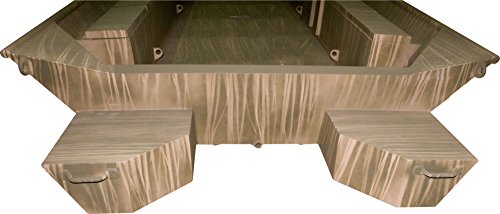
Best For: Longer or heavier aluminum boats that require substantial buoyancy to optimize takeoff and balance. These pods support up to 200 pounds of extra flotation per pair.
Why selected: Designed for larger hulls, these pods help maintain stability when carrying heavier payloads or operating with larger outboards. They provide a noticeable lift and improved planing performance.
Caution: Ensure the maximum boat length and motor weight align with the pod’s buoyancy rating to avoid under- or over-buoyancy scenarios.
Thill And VEVOR Floating Options (Contextual Comparison)
Thill slips and VEVOR kayak stabilizers are mentioned here for broader understanding but are not the primary targets for aluminum boat float pods. Thill products concentrate on slip floats for fishing gear lines, while VEVOR focuses on inflatable stabilizers for kayaks and small craft. For the aluminum boat buoyancy goals described above, the pods from Beavertail and Siftary present more direct buoyancy and installation options.
Buying Guide: Key Factors To Choose The Right Float Pods
- Boat size and weight: Match pod buoyancy to your boat length and motor weight. Smaller boats gain from 150-lb pods, while larger vessels benefit from 175–200 lb options.
- Installation permanence: Decide between permanent weld-on pods or bolt-on configurations. Welded pods offer a rock-solid fit; bolt-on options simplify removal and adjustments.
- Material durability: Look for marine-grade aluminum construction for corrosion resistance in both saltwater and freshwater environments.
- Universality: If you own multiple aluminum boats, consider pods advertised as universal 14’–16′ or 17’–18′ fits to minimize future purchases.
- Balance and clearance: Ensure pods do not interfere with propellers, intakes, or any transom hardware. Re-check after any motor or prop changes.
- Maintenance: Inspect for corrosion, seal integrity, and any mounting hardware wear. Clean and inspect regularly after weekends on the water.
- Ease of installation: For DIY installers, ease of bolt-on or weld-on installation reduces time and complexity. Include installation tools and seals when provided.
Frequently Asked Questions
- What are boat float pods best used for on aluminum boats? They increase buoyancy, improve planing performance, and help balance heavier motors and gear.
- Can float pods be installed on any aluminum boat? Most pods are designed for specific length ranges (14’–16′, 17’–18′, or 20+). Check the product’s compatibility with your hull.
- Are these pods permanent additions? They can be welded for permanence or bolted on for a reversible setup, depending on the model and installer preference.
- Do pods affect fuel efficiency? By improving balance and reducing drag during takeoff, they can contribute to smoother acceleration, which may influence fuel usage positively for some setups.
- Is professional installation required? For welded-on pods, professional welding is recommended. Bolt-on options can be handled by a capable DIYer with basic tools.
- How do I verify buoyancy specs? Refer to the product features and stated extra buoyancy (lbs) per pod pair to ensure you meet your load-bearing requirements.
Buying the right float pods depends on your boat size, typical load, and preferred installation method. Use the product comparisons above to identify the best match for your aluminum vessel, then review installation requirements and maintenance needs before purchasing.