Best Electric Outboard for Kayak: Quiet Power and Long Range
When choosing an electric outboard for a kayak, prioritize compact design, low noise, and reliable range. This guide focuses on five top options that balance power and efficiency for kayak anglers and recreational paddlers. The best picks are suited to different needs—whether you want maximum range, strong thrust for choppy water, or lightweight efficiency for easy transport.
| Product | Thrust / Power | Battery & Range | Best For | Notes |
|---|---|---|---|---|
| Newport NK300 Electric Kayak Motor | 1300W (3HP equivalent) | Up to 66 miles; up to 30 hours runtime | Kayak anglers seeking long-range, quiet propulsion | Lightweight 25.5 lbs; direct-drive brushless design |
| Newport NT300 Electric Outboard Motor | 1300W (3HP equivalent); 110 lb thrust | Up to 66 miles; up to 30 hours runtime | Extended fishing trips; digital throttle with LCD | Includes trim/tilt options and field-oriented control |
| Newport NV-Series 46lb Thrust Trolling Motor | 46 lb thrust | 12V or 24V options; LED battery indicator | Higher power for small boats and inflatables | Saltwater rated; 3-blade prop for efficiency |
| Newport NV-Series 36lb Thrust Transom Motor | 36 lb thrust | 12V; LED indicator | Compact, light-duty kayak use | 24″ shaft; suitable for shallow drafts |
| 55lb Thrust Trolling Motor by BODIOO | 55 lb thrust; 8 speeds | LED indicator; adjustable handle | Balanced power for kayaks and small boats | Durable fiberglass shaft; suitable for freshwater use |
Newport NK300 Electric Kayak Motor

The NK300 delivers 1300W peak power for kayak anglers who need strong propulsion without excessive weight. It reaches speeds up to 6.5 MPH and weighs 25.5 pounds, making mounting and transport easier. Best for anglers who want long days on the water with efficient performance and minimal noise. A limitation is the motor’s compact form factor, which prioritizes efficiency over heavy-duty shallow-water power in some settings.
Newport NT300 Electric Outboard Motor

The NT300 offers robust 3HP-equivalent power with digital throttle and an LCD display for easy monitoring. It provides a top speed near 6.5 MPH and a similar 66-mile range, supporting extended trips. Trim/tilt options and field-oriented control contribute to smooth operation in varied water conditions. Choose this if you value advanced controls and extended range in saltwater or freshwater settings. Potential limitation: more complex controls may have a steeper setup learning curve.
Newport NV-Series 46lb Thrust Trolling Motor

This higher-thrust trolling motor is designed for saltwater and freshwater use, with corrosion-resistant components and a 3-blade propeller for efficient propulsion. Best for kayaks and small boats that need stronger, steadier movement in choppy water or wind. Limitation: heavier than lighter 30+ lb-class motors, which can affect portability.
Newport NV-Series 36lb Thrust Transom Motor
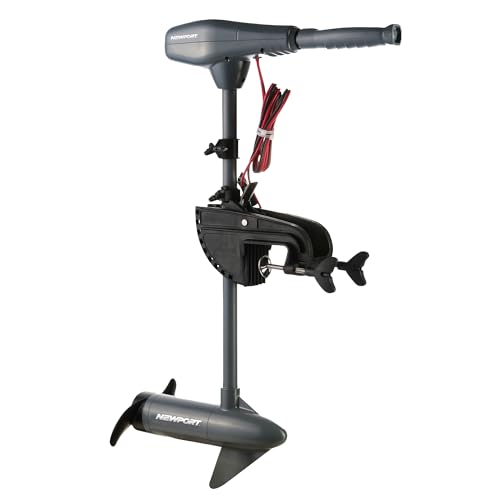
The NV-Series 36lb model provides a compact, saltwater-ready option with a 24″ shaft and 8-speed control. It is best for portable kayak setups where weight and space are primary concerns, and for users who want straightforward operation. Limitation: lower thrust may be insufficient in strong currents or wide-open water conditions.
55lb Thrust Trolling Motor By BODIOO

The 55-pound thrust model balances power with control, featuring 8 speeds and a 6-inch adjustable handle for precise steering. The fiberglass shaft and aluminum head support durability in freshwater use and light saltwater conditions. Best for kayakers needing more push without stepping up to heavier motors. Limitation: may be overpowered for tiny kayaks or calm-water paddling.
Buying Guide
What should I consider when choosing an electric kayak motor?
Key factors include thrust/power, shaft length, and weight. Higher thrust helps in wind and current but adds weight. Shaft length affects depth placement and performance in varying hulls. Lumen indicators, digital throttles, and control features aid accuracy and reliability on longer trips.
Is saltwater compatibility important?
Yes. Saltwater-rated hardware resists corrosion, extending motor life in brackish or ocean environments. If you kayak in saltwater, prioritize models labeled for saltwater use or with corrosion-resistant components.
How do range and runtime relate to my kayak size?
Larger craft or heavier loads consume more energy, reducing range. Match motor power to your kayak’s weight and typical load, and plan for reserve range for safety and weather changes.
What about noise and vibration?
Electric outboards are generally quiet, which reduces wildlife disturbance and improves fishing success. Look for brushless direct-drive designs and well-damped housings to minimize vibration for a smoother ride.
What installation steps are common?
Common steps include selecting a compatible shaft length, mounting to the stern or transom, routing and securing cables, charging batteries, and testing throttle response in safe water. Ensure mounting hardware matches your kayak’s transom height and width.
How to compare these five options?
- Best range and long trips: NK300 or NT300 for 66-mile capability and 30-hour runtime.
- Best balance of power and portability: NV-Series 36lb or 46lb motors offer solid thrust with manageable weight.
- Best for enhanced propulsion in moderate currents: 55lb BODIOO model provides more push with ample control.
Frequently asked questions
- Q: Which motor is best for saltwater kayak fishing? A: Motors labeled saltwater-rated or with corrosion-resistant hardware are preferable for saltwater use.
- Q: How do I choose the right shaft length? A: Select a shaft length that keeps the propeller submerged adequately in typical water depth for your kayak.
- Q: Do these motors require special batteries? A: Most 36V motors use compatible 36V batteries; verify voltage and capacity with the manufacturer’s guidelines.
- Q: Can I use these motors for both calm lakes and open bays? A: Yes, but consider higher-thrust models for rougher water or stronger currents.
- Q: Are there maintenance requirements I should know? A: Regularly inspect mounting hardware, propeller, and electrical connections; keep the motor clean and dry after use.
- Q: How important is a digital throttle? A: A digital throttle with an LCD readout helps monitor speed and battery life for longer trips.