Best Marine Flare Gun Kit for Boating and Rescue Signaling
Answering the need for dependable signaling on the water, this guide highlights five marine flare gun kits that cover day and night emergencies. Each option targets different boat sizes and risk levels, from compact handheld launchers to electronic distress beacons. The selections emphasize USCG and SOLAS compatibility where applicable, and they explain who benefits most from each kit. Use the quick-buy table below to compare at a glance before diving into detailed product insights.
| Product | Best For | Key Benefit |
|---|---|---|
| Orion Alert/Locate Plus Signal Kit in Hard – Floating Case | Small boats, solo travelers | Floating case for easy retrieval |
| Orion Safety 584 ALERTER Basic 12 GA 4-Flares | Coast Guard style signaling | USCG-approved bright red aerial flares |
| COASTAL ALERT LAUNCHER KIT | Family boats, coastal trips | Includes SOLAS whistle, 6 flares |
| ACR ResQFlare E-Flare Safety Kit | Modern electronic signaling | Long-lasting, IP67 waterproof |
| SIRIUS SIGNAL C-1003 SOS LED Distress Signal | Low-maintenance signaling | Long-running electronic distress with day/night visibility |
Note: Each kit serves different signaling needs. If you anticipate nighttime signaling or regulatory compliance, consider devices that are USCG-approved or SOLAS-compliant. For coastal or open-water use, devices with high brightness and long battery life are advantageous. Always review the included safety instructions and inspection recommendations for prolonged shelf life and reliability.
Orion Alert/Locate Plus Signal Kit in Hard Case

The Orion Alert/Locate Plus kit includes a floating, ready-to-use case for quick access during emergencies. Best for: sailors who need a portable, buoyant signaling solution that floats with the gear. Why selected: its floating case reduces the risk of losing signaling tools if dropped overboard. Caution: product data does not specify exact flare types or duration—verify contents before departure.
Orion Safety 584 ALERTER Basic 12 GA 4-Flares

Best for: boaters seeking a traditional flare signaling option with a simple, straightforward setup. This kit is designed for harsh marine conditions, featuring corrosion-resistant construction and a bandolier for six signals. Why selected: high brightness and Coast Guard-style approval provide clear day or night visibility. Caution: includes pyrotechnic flares, which require careful storage and disposal per local regulations.
COASTAL ALERT LAUNCHER KIT

Best for: families and small crews who want a bundled, ready-to-use signaling kit with multiple flares and a whistle. Why selected: includes six red aerial signals and a SOLAS-approved whistle, making it a compact, everyday safety choice for coastal trips. Caution: USCG approval is noted for signaling, but verify current regulatory requirements in your area before purchasing.
ACR ResQFlare E-Flare Safety Kit

Best for: boaters seeking a modern electronic distress option that minimizes pyrotechnics on board. Why selected: long operational life, IP67 waterproof rating, and a Coast Guard-aligned certification make this kit a robust choice for electronic signaling. Caution: electronic devices require battery maintenance and eventual replacement after the stated lifespan.
Sirius Signal C-1003 SOS LED Distress Signal
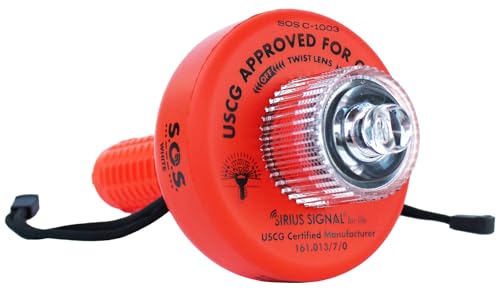
Best for: users who want a maintenance-free electronic distress device with long-running operation. Why selected: USCG-approved, day and night signaling, and a compact form factor streamline preparedness for small and mid-sized boats. Caution: while long-lasting, electronic units still rely on battery life—plan for replacements before expanded trips.
TEKTITE SOSeFLARE 5

Best for: boaters who want a SOLAS-compliant electronic distress signal with audible support. Why selected: features long battery life, water resistance, and an upright flotation mechanism for reliable visibility. Caution: ensure the unit’s batteries are not past their shelf life to avoid reduced performance in critical moments.
ACR ResQFlare Electronic Distress E-Flare and Flag
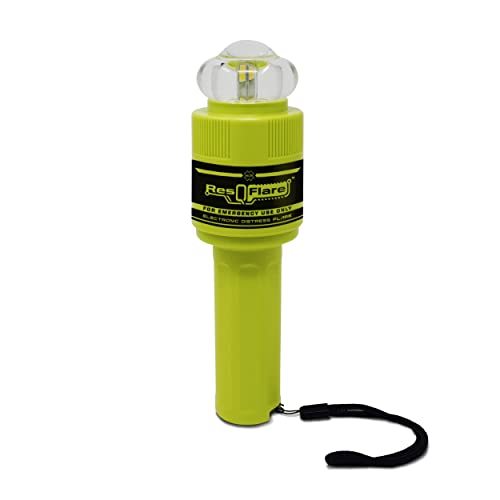
Best for: rescuers and boaters seeking a compact, weatherproof electronic distress signal with an accompanying flag for daytime visibility. Why selected: combines electronic SOS signaling with a daytime flag and meets USCG 161.013 criteria, offering a reliable replacement for pyrotechnic flares in many scenarios. Caution: verify the exact use-case compatibility with local maritime regulations before relying solely on electronic signals.
Buying Guide
What type of signaling do you need? Pyrotechnic flares are effective and familiar but require storage, handling, and disposal considerations. Electronic distress devices reduce ongoing costs and cleanup but depend on battery life and waterproof integrity.
USCG and SOLAS compliance matters. If local regulations require specific signaling methods, prioritize products with regulatory approval, such as USCG-approved or SOLAS-compliant kits. Consider the duration and brightness of the signal to ensure visibility over required distances and times.
Portability and storage. For small vessels, compact, floating, or handheld units with secure cases help protect equipment and simplify access during an emergency. A kit with a protective case reduces the chances of damage during rough seas or rough handling.
Maintenance and lifespan. Traditional flares need periodic inspection and replacement due to aging and environmental exposure. Electronic options should be evaluated for battery life, waterproofing, and self-righting features.
Scenario-based recommendations. Choose this if you sail coastal waters and want day-night visibility; choose better for open-water journeys where longer battery life and reduced hazardous waste are preferred; avoid this if you operate in regions with strict pyrotechnic disposal rules.
FAQ
- What is the difference between pyrotechnic flares and electronic distress signals? Pyrotechnic flares produce bright light using burning chemicals; electronic signals emit LED light and audible alerts without combustion, often lasting longer and requiring less handling.
- Are marine flare kits required by law? Requirements vary by region. Some areas mandate specific signaling methods or combinations of flares and electronic devices; check local and national regulations before sailing.
- How long do electronic distress signals last? Battery life varies by model; many units are designed to operate for 20–60 hours of continuous signaling, with some longer-lasting options available.
- Which kit is best for beginners? Kits with clear instructions, few moving parts, and integrated safety features are easier for newcomers to operate and maintain.
- Can I replace only the batteries in electronic distress signals? Many units allow battery replacement, but some models have sealed or rechargeable configurations; follow manufacturer guidance for safe replacement.
- How should I store these signaling devices on a boat? Store in a cool, dry place away from direct sunlight, with quick access and secure mounts or cases to prevent movement during rough seas.