Best Hydrofoils for Pontoon Boats: Improve Planing, Stability, and Fuel Efficiency
When searching for hydrofoils for pontoon boats, the goal is clear: faster plane, steadier ride, and better fuel economy without complicated installation. This guide highlights five reliable options that work well on many pontoon configurations. The best picks fit common outboard/sterndrive setups, offer simple installation, and clearly support pontoon use with robust stability. The top buyers are boat owners seeking improved handling, reduced porpoising, and safer, smoother trips around lakes or coastal waters.
Summary table of selected products:
| Product | Best For | Notes |
|---|---|---|
| STINGRAY Classic Senior 2 | Wide hp range, no-drill install | 40-300 hp, durable, quiet on planing |
| SE Sport 300 Hydrofoil | Precise control, drag reduction | 40-300 hp, compact design |
| QuickMarine Hydrofoil Stabilizer | Budget-friendly, easy install | Up to 150 hp, PA66 plastic |
| Hydro-Shield L-35 Hydrofoil | High HP boats, prop protection | 100-425 HP, multiple sizes |
| Hydro-Shield R-35 Hydrofoil | Compact pontoons and small boats | Up to 115 HP on pontoons, four sizes |
STINGRAY Classic Senior 2 Hydrofoils

Best for: Pontoon owners seeking a no-drill solution that widens the horsepower compatibility and enhances planing. This model covers a wide hp range (40-300 hp) and is designed to stabilize without boring installation. The single-piece design reduces trim variability and improves lift for faster planning, which helps with visibility and helm confidence on pontoon platforms.
Why selected: StingRay’s Classic Senior 2 is known for durable construction and consistent lift. It reduces chinewalking and porpoising while promoting quicker plane times, which benefits heavier pontoon rigs. The no-drill installation is a practical advantage for many pontoon owners who want a straightforward upgrade.
Best for: boaters who want a proven, all-around hydrofoil with strong lift and minimal installation effort. Caution: ensure hull mounting compatibility with your specific pontoon setup and engine arrangement for optimal fit.
SE Sport 300 Hydrofoil

Best for: Pontoon owners seeking streamlined design with clear drag reduction and precise control. The SE Sport 300’s narrow shape helps minimize turbulence around the propeller, which can translate to smoother steering and faster planing with less fuel burn.
Why selected: Its emphasis on drag elimination and quick, confident response makes it a strong candidate for boats that need predictable handling at mid-range speeds. The compact footprint also fits tighter stern layouts.
Caution: Visual compatibility checks with your engine and mounting geometry are recommended to confirm the best alignment with your pontoon’s trim and propeller setup.
QuickMarine Boat Hydrofoil Stabilizer
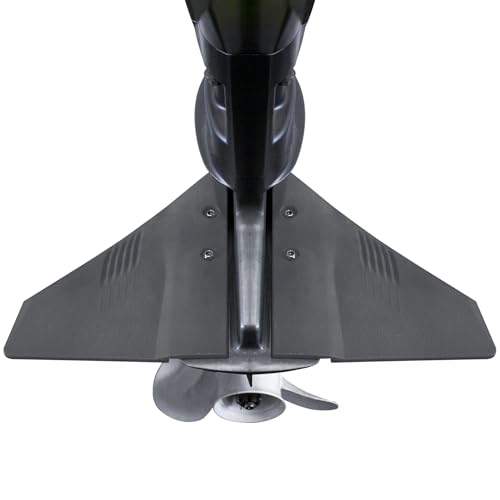
Best for: Budget-conscious pontoon owners who want an easy-to-install stabilizer that can deliver notable gains in stability and fuel efficiency. This Doel-Fin style hydrofoil fits many popular outboard/sterndrive engines up to 150 HP.
Why selected: It uses durable PA66 plastic with UV resistance, supporting simple installation and maintenance. The design aims to improve rough-water handling and reduce cavitation while promoting a smoother ride.
Caution: As with any plastic-styled stabilizer, check long-term wear in your specific water conditions and confirm the mounting compatibility with your exact engine model.
Sport Marine SE Sport 300 High Performance

Best for: Pontoon boats that require stable lift and precise control at higher horsepower ranges. The SE Sport 300 High Performance is designed for 40-350 HP and emphasizes reduced drag along with predictable steering.
Why selected: This model’s design targets high-performance applications while maintaining reliable planing characteristics, which can be beneficial for larger pontoons that push into higher thrust zones.
Caution: Verify installation fit with your pontoon’s configuration to ensure no interference with trim mechanisms or propeller clearance.
Hydro-Shield Hydrofoil L-35
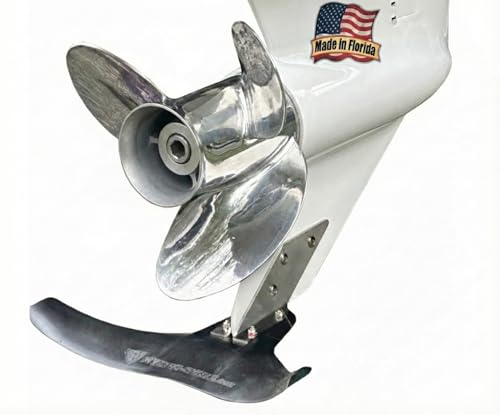
Best for: Pontoon owners needing robust hull protection along with performance gains. The L-35 is sized for engines 100-425 HP and is compatible with a wide range of sterndrives and outboards, offering four sizes to choose from.
Why selected: The L-35 combines performance improvement with built-in protection for prop and skeg, which is valuable on pontoon setups that encounter varying underwater hazards. It also emphasizes film-strength materials to reduce impact damage.
Caution: Always check compatibility charts to confirm matching size and HP range for your pontoon model and engine horsepower. Some installations may require bracket accommodation on certain stern configurations.
Hydro-Shield Hydrofoil R-35
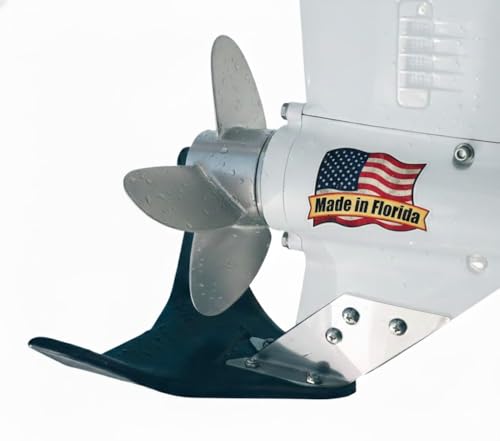
Best for: Small-to-mid-sized pontoon boats seeking a compact, high-protection hydrofoil with reliable lift. The R-35 is compatible with outboard engines up to 115 HP and fits boats up to 18 feet, including pontoon configurations up to 26 feet with appropriate HP.
Why selected: The R-35 emphasizes quick planning and lower-speed stability, which improves fuel economy and helm control. It provides robust prop and skeg protection through its durable mounting design.
Caution: Ensure the chosen size aligns with your pontoon length and engine rating; misalignment can affect lift and stability characteristics.
Buying Guide: How To Choose A Pontoon Hydrofoil
- Confirm that the hydrofoil’s horsepower range matches your outboard or stern drive. Pontoon boats vary widely in engine size, and lift needs scale with weight and hull dynamics.
- No-drill vs drilled installations impact hull integrity and DIY effort. If you prefer minimal modification, prioritize no-drill models, but verify fit on your specific stern layout.
- Some foils include skeg protection and impact-absorbing materials. For pontoon routes with submerged hazards, additional protection reduces maintenance costs.
- If your primary goal is quicker planing, choose models with higher lift and lower drag. For rough-water stability, look for foils designed to reduce porpoising and chine-walking.
- Look for UV-resistant plastics or marine-grade composites. Heavier, more durable builds tend to resist hull wear in lake conditions and saltwater wash.
- Pontoon boats vary widely in beam and stern geometry. Use models that offer multiple sizes to fit your specific boat length and engine arrangement to avoid interference with rails or fins.
- Favor designs with simple maintenance routines and replaceable parts where possible. Easy inspection helps ensure consistent performance over time.
FAQ
- Do hydrofoils make pontoons harder to steer? Most models aim to improve stability and steering response by reducing porpoising and drag. Proper installation and weight balance are essential for predictable handling.
- Can I install a hydrofoil on a pontoon without professional help? Many options are designed for DIY installation, including no-drill variants. Always follow the manufacturer’s mounting instructions and check your hull configuration.
- Will a hydrofoil improve fuel economy on a pontoon? If the foil reduces drag and helps the boat plane earlier, it can lower fuel consumption at planing speeds. Actual savings depend on hull design and operating conditions.
- How do I choose the right size? Match the hydrofoil to your engine horsepower and boat length. When in doubt, choose a model with multiple size options appropriate for pontoon setups.
- Are hydrofoils safe for pontoons used in shallow waters? Foils can be designed to provide lift without excessive draft. Always consider water depth and submerged hazards before use.
- Do hydrofoils require maintenance? Regular inspection for cracks or loosened fittings is advised. Clean away marine growth and ensure fasteners remain tight for consistent performance.