Best Waterproof Boat Paints for Durable Finishes and Traction
Answering the buyer’s search, this guide identifies top waterproof boat paints that resist water exposure, weather, and wear. These picks suit boaters who want durable topside coatings, easy maintenance, and reliable anti-slip surfaces. The list includes paints for hulls, decks, and trim, with notes on suitability for fiberglass, wood, metal, and aluminum. Each product is evaluated for best use, application ease, and practical limitations to help you choose confidently.
| Product | Best For | Key Benefit |
|---|---|---|
| TotalBoat Wet Edge Topside | Power boats, sailboats, and RV exteriors | High-gloss, durable finish with easy one-part application |
| SENVEN Boat Paint (Blue 35 Oz) | Hull coatings, exterior surfaces on boats and trailers | All-in-one, high-gloss marine enamel with strong adhesion |
| SENVEN Boat Paint (Red 35 Oz) | Topside, bottom, and waterline coatings | Abrasion-resistant polyurethane for long-lasting shine |
| DURALUX Marine Enamel (Black 1 Quart) | Long-lasting topside finishes on diverse substrates | Single-component enamel with saltwater resistance |
| TotalBoat TotalTread Non-Skid Deck Paint | Decks, docks, and steps requiring traction | Non-slip texture with polyurethane durability |
TotalBoat Wet Edge Topside Marine Paint

What it is: A premium polyurethane, one-part topside paint designed for boats, RV exteriors, and trim. It resists fading, cracking, and peeling with a scratch-resistant, high-gloss marine finish. It is best used above the waterline on hulls, decks, and trim that demand durable gloss and easy cleaning.
Best for: Power boat hulls and sailboat exteriors where a crisp, glossy look is desired and maintenance time should be minimized. It’s also suitable for RV exteriors and exterior door trim that benefit from a durable, easy-to-clean surface.
Why selected: This product combines a professional-like finish with practical maintenance benefits. It offers color and gloss retention under marine exposure and is easy to apply with brush, roller, or sprayer, making it versatile for DIY or pro applications.
Limitation: For use above the waterline only, so you’ll need additional coating strategy for underwater sections. Surface prep and proper ventilation are important for best adhesion and cure.
SENVEN Boat Paint Blue (35 Oz)
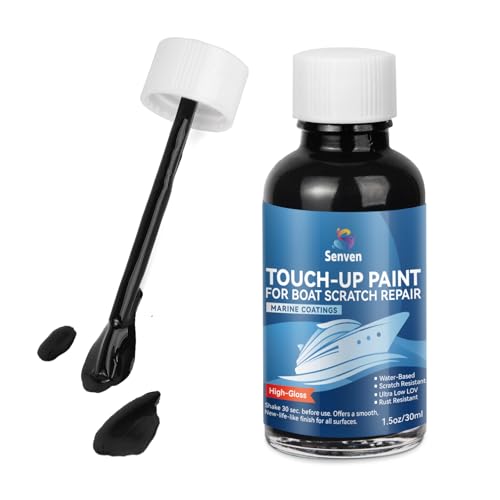
What it is: A water-based touch-up pen style marine paint with a built-in brush, offering high-gloss marine-grade coverage for hulls, decks, and exterior surfaces. It’s designed for precise repairs and quick touch-ups on a range of substrates, including aluminum and composite parts.
Best for: Boat owners who need precise, on-the-spot repairs or small-area refinishing without heavy equipment. Suitable for chips, cracks, pits, and scratches on watercraft and related gear.
Why selected: Its built-in brush simplifies application, reducing setup time and cleanup. The paint also provides UV and abrasion resistance, making it practical for frequent exposure vessels and trailers.
Caution: Not designed for continuous immersion or underwater use. Use primarily for above-waterline touch-ups and exterior coatings to maximize performance and longevity.
SENVEN Boat Paint (Blue) 35 Oz – Gloss

What it is: A versatile all-in-one marine topcoat designed for topside, bottom, and waterline surfaces on boats, wood, fiberglass, and metal. It emphasizes high-gloss durability and broad substrate compatibility.
Best for: Boat builders and maintenance projects that require a robust, glossy finish across multiple surfaces, including aluminum canoes and pontoon components.
Why selected: The product’s broad adhesion profile and abrasion resistance suit varied marine components, delivering a uniform look across hulls and exterior parts.
Caution: Not intended for continuous submersion on bottoms that stay in water for extended periods; use a dedicated antifouling solution where needed.
DURALUX Marine Enamel (Black)

What it is: A long-lasting topside enamel designed for marine structures, providing a durable white or black finish that resists saltwater exposure, oil, and repeated washings. It adheres to primed steel, metal, wood, aluminum, and fiberglass.
Best for: Commercial and pleasure boats needing a corrosion-resistant, easy-to-clean topside coating on a variety of substrates, including metal and fiberglass.
Why selected: Its versatility and resistance to typical harbor conditions make it a strong, economical option for long-term maintenance projects and structural coatings.
Caution: As a single-component enamel, readiness for recoat timing and surface cure must align with environmental conditions to ensure proper adhesion.
TotalBoat TotalTread Non-Skid Deck Paint

What it is: A non-skid deck coating designed to add traction on decks, docks, stairs, and other wet surfaces. It features a textured, low-glare finish with a durable polyurethane topcoat for long-term weather resistance.
Best for: Boat decks, cabin soles, steps, and swim platforms where secure footing is essential. Also suitable for use on concrete patios and other outdoor flooring requiring traction.
Why selected: The anti-slip performance helps reduce slips and falls in marine environments, while the polyurethane finish provides easy cleaning and durable wear. It’s a practical upgrade for safety on any boat deck, especially in wet conditions.
Caution: The textured finish may alter foot comfort and surface feel; test a small area first to ensure the texture meets your preference and footing needs.
Buying Guide: How To Choose Waterproof Boat Paints
- Surface type: Identify whether you’re painting fiberglass, wood, metal, or aluminum. Some paints adhere better to specific substrates; choose accordingly.
- Water exposure: Distinguish between above-waterline coatings and underwater/bottom coatings. Antifouling and ablative paints suit submerged surfaces, while topside paints protect above water.
- Gloss vs. texture: Gloss finishes look pristine but can be slippery when wet. For decks and steps, consider non-skid options like TotalTread, or add texture cautiously to maintain traction.
- Application method: If you prefer quick repairs, polishes with built-in brushes or spray-friendly options can reduce setup. For large areas, consider roll-and-tip or spray techniques with proper ventilation.
- Durability and maintenance: Look for UV resistance, chemical resistance, and ease of cleaning. Marine paints marketed as “high-gloss” or “abrasion-resistant” typically offer longer intervals between maintenance.
- Safety and compliance: Follow manufacturer instructions for ventilation, drying times, and environmental considerations. Use compatible primers if required for enhanced adhesion.
FAQ
- Q: Can I use topside marine paint on the hull below the waterline?
- A: Most topside paints are designed for above-water exposure. For below-waterline surfaces, use antifouling or ablative coatings designed for immersion.
- Q: Do non-skid paints wear quickly?
- A: Non-skid paints are durable but can wear with heavy foot traffic. Regular maintenance and occasional reapplication help maintain traction.
- Q: Is water-based paint easier to apply than oil-based?
- A: Water-based paints often dry faster and clean up with water, but check substrate compatibility and desired durability for your project.
- Q: How should I prep a surface before painting?
- A: Remove loose coatings, sand for a smooth profile, clean thoroughly, and apply a compatible primer if required by the product guidelines.
- Q: Can these paints be used on trailers or docks?
- A: Some products are suitable for exterior surfaces on trailers and docks; always confirm substrate compatibility and environmental exposure in the product data.
This article provides objective product references and practical guidance for selecting waterproof boat paints. It emphasizes durability, substrate compatibility, and safety considerations to support effective decision-making.