Best Electric Fuel Pumps for Outboard Motors: Efficient, Reliable Options for Boaters
Answering the top buyer question: which electric fuel pump is best for an outboard motor? This guide compares five dependable 12V pumps that are commonly used with gas outboards, diesel engines, and other carbureted systems. Each option targets a different use case—boosting fuel pressure, providing a reliable transfer pump, or serving as a steady standby unit. Ideal buyers include boaters needing dependable fuel delivery on small to mid-size engines, maintenance enthusiasts replacing worn pumps, and DIY boaters seeking a low-maintenance inline solution.
Below is a quick summary table of the selected products, highlighting who each product is best for and the main strength it offers:
| Product | Best For | Key Benefit |
|---|---|---|
| ENGINEMAN Universal Electric Fuel Pump | All carbureted 12V systems; versatile across vehicles | Wide compatibility with low pressure, high flow |
| JDMSPEED Universal Electric Fuel Pump Kit | Carburetor lawn mowers, generators, small engines | Compact kit with fuel line and filter |
| Chaofei Yamaha Outboard Fuel Pump Kit | Yamaha 4-stroke outboards (F50–F90, 2005–2016) | Precise fit for reliable OEM-like performance |
| Chaofei Mercury MerCruiser Outboard Pump | Mercury/Mariner 20–60 HPs (2002–2010) | Direct replacement for common Mercury engines |
| SouthMarine Outboard Fuel Pump | Mercury/Mariner/Branded outboards; multiple fits | Clarified fit notes; general compatibility |
ENGINEMAN Universal Electric Fuel Pump 12V

Product overview: This inline pump operates at 2.5-4.5 PSI with a flow rate of 25-30 GPH. It’s described as compatible with a wide range of 12V carbureted engines, including gasoline, diesel, and other fuels. The copper motor design and a built-in check valve contribute to durability and reduced backflow. This pump can function as a booster, standby, or standalone unit.
Best for: Boat owners and general equipment users who need a versatile, low-pressure pump that can serve multiple small-to-medium engines beyond just outboards. The noted wide compatibility makes it a flexible option for DIY fuel system upgrades.
Limitations: While it claims broad compatibility, verifying exact engine compatibility is advised before installation to avoid incorrect fitment. Backflow prevention is built-in, but users should ensure correct wiring to prevent starved or flooded circuits.
JDMSPEED Universal Electric Fuel Pump Kit

Product overview: This kit provides a 12V pump with an output pressure of 3-6 PSI and includes a fuel filter and 6.56 feet of 5/16″ ID fuel line. It’s designed for universal use with gasoline or diesel engines and includes wiring components for straightforward installation.
Best for: Users seeking a compact, ready-to-install kit for carbureted engines in lawn equipment, generators, or small boats, where a moderate pressure and simple setup are valued.
Limitations: The kit’s performance claims are general; be sure the 3-6 PSI range suits your specific engine’s fuel pressure requirements to avoid over- or under-fueling.
YCT HEP-02A 12V Electric Fuel Pump

Product overview: This solid metal low-pressure pump is marketed for motorcycles, ATVs, trucks, boats, and various gasoline or diesel engines. The listing emphasizes confirming fitment to avoid incorrect purchases and notes that it can replace original parts in many setups.
Best for: Buyers who have a known OEM part match and need a sturdy, metal-bodied pump that can withstand lower-pressure outboard or light-duty marine applications.
Limitations: The product page stresses fitment verification; misalignment with your engine’s part numbers could lead to non-compatibility. Use it only when you confirm the exact part match for your model.
Chaofei Yamaha Outboard Fuel Pump Kit

Product overview: Specifically designed for Yamaha 4-stroke outboards from 2005–2016 (F50–F90), this pump uses precise hole designs and durable materials to achieve reliable performance in harsh marine environments. It’s positioned as a direct replacement that restores factory-level fueling performance.
Best for: Yamaha outboard owners who need a precise-fit pump that matches OEM specifications and supports continued engine reliability on mid-range models.
Limitations: Availability may vary by model year; confirm that your engine’s part numbers align with the replacement options listed in the product description to ensure a proper fit.
Chaofei Mercury MerCruiser Outboard Pump
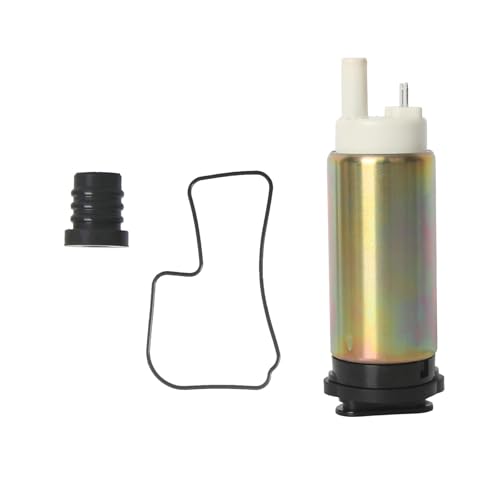
Product overview: This pump is designed for Mercury MerCruiser 4-stroke outboards in the 20–60 HP range (2002–2010), with matching part numbers listed as references. It emphasizes durable construction and a precise fit that supports restoring original factory performance.
Best for: Mercury MerCruiser owners seeking a direct replaceable option that aligns with factory expectations for 5–60 HP outboards in the early 2000s era.
Limitations: Always verify the part number compatibility to avoid mismatches with the specific engine year and model.
SouthMarine Outboard Electric Fuel Pump

Product overview: This pump covers fit notes for Mercury MerCruiser and other branded outboards with 20–60 HP ranges (based on model descriptions). The listing cautions buyers to check details and product descriptions to ensure fit, making it a more cautious selection for engine compatibility.
Best for: Boat owners who need a flexible pump option but are careful to verify model-specific fit and part numbers before purchase.
Limitations: The need for careful cross-check with your engine’s fitment information means this option requires extra validation before purchase to avoid incorrect purchases.
Buying Guide
What should I look for in an outboard fuel pump?
- Pressure and flow: Match the pump’s output pressure (PSI) and flow (GPH) to your engine’s fuel needs. Too high pressure can overwhelm some carburetors, while too low pressure can cause starved engines.
- Voltage and wiring: Ensure your boat’s electrical system supplies stable 12V and that wiring supports the pump’s current draw to prevent electrical issues.
- Fitment and compatibility: Verify exact part numbers and model years. Outboard engines have specific pump designs, and a mismatch can lead to poor performance or damage.
- Materials and durability: Pumps with metal housings and robust seals tend to endure marine conditions better. Look for corrosion resistance and backflow prevention features.
- Inclusion and installation ease: Kits that include fuel lines, filters, and mounting hardware can simplify replacement, especially for DIY installations.
Should I replace only the pump or the entire fuel system?
Replacing just the pump is common when symptoms point to pump failure (loss of pressure, sputtering, or hard starting). If other fuel-system components (filters, hoses, or lines) show wear, consider a broader upgrade to avoid recurrent issues.
Are OEM-style pumps worth it?
OEM-style pumps typically offer precise fit and predictable performance for a given engine model. If your engine has a known OEM part number, choosing a direct replacement helps maintain factory fuel delivery characteristics and reliability.
What installation precautions matter the most?
- Avoid kinking fuel lines and protect cables from heat sources and vibration.
- Ensure correct orientation so the pump pumps fuel in the intended direction and reduces risk of backflow.
- Secure the pump firmly to minimize movement and wear on fittings.
What questions should I ask a seller?
- Is this pump a direct replacement for my engine’s exact part number?
- Does the kit include all necessary lines or mounting hardware?
- What is the expected pressure range for my specific engine model?
FAQ
- Q: Can I use any 12V fuel pump on an outboard motor? A: Not always. Confirm the required PSI, flow rate, and fitting sizes for your engine to ensure compatibility.
- Q: Do these pumps require an inline filter? A: Some kits include filters; if not, consider adding a filter to protect the carburetor.
- Q: Will a higher PSI harm a carburetor? A: Yes, carburetors designed for low-pressure systems may not tolerate higher PSI; verify engine specifications.
- Q: Are these pumps suited for diesel engines? A: Several entries note compatibility with gasoline or diesel, but always verify the exact engine type and fuel system requirements.
- Q: Is backflow prevention important? A: Yes. Pumps with a built-in check valve help prevent fuel from flowing back toward the tank, improving reliability.
- Q: How do I verify fitment for a used engine? A: Compare the engine’s model number, year, and replacement part numbers listed by the seller to ensure a match.