Best Deck Boat Trolling Motor Solutions for Inshore and Freshwater Anglers
Answering the question, a deck boat benefits from a trolling motor that offers controlled steering, quiet operation, and reliable power for all-day cruising and precise positioning. This guide highlights five top options ideal for deck boats, with emphasis on suitability for saltwater or freshwater use, shaft length, and mounting style. The listed models range from deck-mount to transom-mount and bow-mount configurations, helping you pick the best fit for your boat layout and fishing style.
Below is a quick summary to compare key details at a glance. The table lists the five selected products, focusing on thrust, shaft length, mounting type, and notable features for deck-boat use.
| Product | Thrust | Shaft | Mount | Best For |
|---|---|---|---|---|
| Newport Pontoon-Series 55lb | 55 lb | 55″ | Deck Mount | Deck-boat cruising and trolling on saltwater or freshwater |
| Minn Kota Terrova Bow-Mount | 55 lb | 54″ | Bow Mount | Precision Spot-Lock trolling for deck layouts with bow access |
| Newport NV-Series 55lb Transom | 55 lb | 30″ | Transom | Affordable, compact setup for larger deck boats on varied waters |
| Minn Kota Endura C2 40lb | 40 lb | 36″ | Transom | Budget-friendly, reliable control on smaller to mid-sized decks |
| AQUOS CaymanT 55lb | 55 lb | 26″ | Transom | Saltwater-friendly option with wireless remote feel |
Newport Pontoon-Series 55lb Thrust Deck Trolling Motor

The Newport Pontoon-Series is a deck-mount trolling motor designed for pontoon-style boats and deck layouts. With 55 pounds of thrust and a 55″ fiberglass shaft, it offers strong, steady propulsion and long reach for reaching fishing spots or cruising open-water water columns. The 66″ battery cable leads with ring connectors simplify wiring on larger decks. Best for: deck-boat owners requiring reliable power and easy mounting on a deck rail system. Caution: deck installations must consider weight distribution and wind exposure to maintain balance on narrower deck segments.
Minn Kota Terrova Bow-Mount With GPS Spot-Lock

This bow-mount Terrova features GPS Spot-Lock and a wireless remote with LCD for automatic positioning, making it excellent for precise positioning on deck boats with bow-control access. The motor includes drift, follow, and dodge modes to navigate variable water conditions. Best for: anglers who value precise, hands-free positioning and automatic control in open-water trolling. Caution: Bow-mount configurations can require more steering input from the operator when maneuvering tight spaces on crowded decks.
Newport NV-Series 55lb Transom Trolling Motor

This Newport NV-Series model offers 55 pounds of thrust with a 30″ shaft and includes a 5-LED battery meter, a 6″ telescoping tiller, and a 3-blade propeller. The mount angle, height, and direction are adjustable and lockable. Best for: deck boats needing a compact, high-thrust transom motor that can handle longer runs. Caution: shorter shaft length may be less ideal in deeper water or for higher transom installations on larger decks.
Minn Kota Endura C2 Transom 40lb
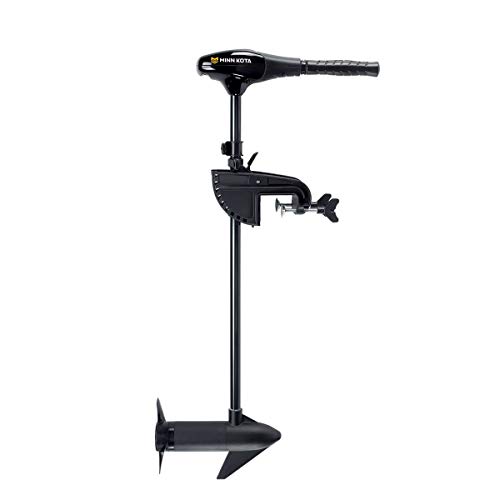
The Endura C2 40lb model emphasizes a 36″ shaft, a telescoping 6″ tiller, and a robust, durable build. It features a push-to-test battery meter and a 10-position lever-lock bracket for quick angle adjustments. Best for: deck boats needing dependable, straightforward control without high-tech features. Caution: higher-thrust options may still be preferable for larger watercraft or stronger currents.
AQUOS Haswing CaymanT 55Lb 26in Trolling Motor

The CaymanT is a saltwater-capable trolling motor with a 26″ shaft and a wireless remote. It targets saltwater and freshwater anglers seeking convenient control from a compact deck or transom setup. The 2.4 GHz hand remote provides hands-free steering and speed control, with a practical 0–85 degree tilt range. Best for: deck boats requiring a versatile, remote-controlled option. Caution: battery life and remote responsiveness can vary with water conditions and usage.
Buying Guide: What To Consider When Choosing A Deck Boat Trolling Motor
- Mounting Style: Deck boats often have limited transom space. If your deck layout favors front control, consider bow-mount (for precise steering and position) or deck-mount options. Transom mounts work well on larger decks with clear stern access.
- Thrust And Shaft Length: Larger deck boats or windy conditions require higher thrust (50–62 lb). Shaft length should reach below the waterline on your boat’s draft; longer shafts help with stable depth and reduce cavitation in choppy water.
- Power Source And Endurance: Check battery compatibility and run-time expectations for all-day use. LED battery meters help monitor charge levels during trips.
- Control Features: GPS Spot-Lock, wireless remotes, tilt adjustments, and speed ranges contribute to ease of use. For deck setups, ease of stowage and quick deployment matter.
- Durability And Marine-Grade Build: Saltwater-rated components reduce corrosion risk. Look for corrosion resistance, UV stability, and robust propellers for thick vegetation in freshwater.
- Maintenance And Accessories: Easy access to battery terminals, spare parts like prop pins, and mounting hardware should be readily available from the manufacturer or retailer.
Frequently Asked Questions
- What is the best trolling motor for a deck boat? The best choice depends on deck layout, water type (saltwater vs freshwater), and the need for precise control. Bow-mount or deck-mount options with higher thrust and longer shafts are often preferred for deck boats.
- Is 55 lb thrust enough for a deck boat? For medium-to-large deck boats, 55 lb is typically sufficient for trolling and cruising in light wind. In strong currents or heavy loads, consider 62 lb or higher.
- Do I need a remote with my trolling motor? Remote control adds convenience for steering from the cockpit or shore. If you value hands-free operation and precise positioning, a remote-enabled model is beneficial.
- Should I choose a saltwater-rated motor? If you boat in saltwater or mixed environments, choose a motor with corrosion-resistant materials and seals designed for salt exposure.
- What shaft length should I pick? Shaft length should extend a few inches below the waterline to reduce cavitation. For deck boats, longer shafts (50–55 inches) are common, but the boat’s hull design and transom height matter.
- Can I install a trolling motor myself? Many trolling motors include mounting hardware and basic installation instructions. If you’re unsure about wiring or mounting to a deck or transom, consult a marine professional.