Best Front Boat Light Colors for Safe Night Navigation
Finding the right bi-color navigation lights for the bow is essential for safe night boating. This guide covers top front boat light color options designed for visibility, durability, and USCG-compliance. Ideal for boaters who want reliable bow lighting that clearly communicates port (red) and starboard (green) status to other vessels. The top picks below are best for different boat sizes and uses, from small jon boats to larger pontoons.
| Product | Best For | Why It Stands Out |
|---|---|---|
| Attwood NV6LC2-10-7 Marine Bi-Color LightArmor LED | Small to mid-sized powerboats; frequent deck use | 10-inch pole, integrated task light, long LED life |
| Marinexplore Bi-Color Bow Light | Pontoon, Skeeter, and mixed-use boats | Simple 12V, 225° coverage, USCG-ready 2 NM visibility |
| Attwood Pulsar 5090 Series Bi-Color | Rugged boats up to 39.4 ft | 1 mile visibility, corrosion-resistant pole |
| Obcursco Red/Green Bow Lights | Small to mid boats needing durable chrome-style housing | IP67, die-cast zinc cover, 2 NM visibility |
| SEACHOICE Bow Light, Chrome Bi-Color | Versatile use on sail or powerboats under 39′ | Compact, 1 mile visibility, easy upgrade |
Attwood NV6LC2-10-7 Bi-Color LightArmor
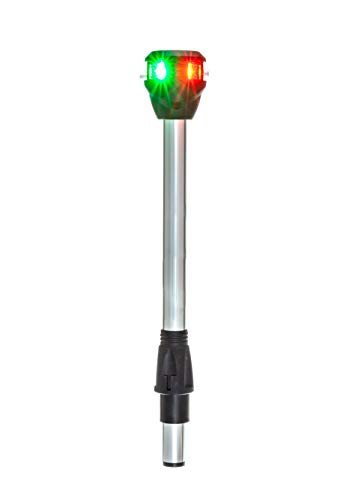
The NV6LC2-10-7 combines red and green navigation lighting with an integrated task light, placed on a durable 10-inch straight pole. It uses a reliable LED light engine rated for over 50,000 hours. Best for boaters who require a compact, corrosion-resistant bow light with supplemental deck illumination. Caution: ensure the task light is compatible with your deck wiring before upgrading.
Marinexplore Bi-Color Bow Light

This 12V, 6W bi-color bow light offers red for port and green for starboard with a 225-degree radiation angle and IP67 waterproofing. It’s designed for boats like Pontoon, Skeeter, and other power vessels, balancing low power consumption with reliable visibility. Best for budget-conscious boaters who need USCG-compliant signaling in varied weather. Limitation: may require mounting hardware compatible with your vessel’s bow configuration.
Attwood Pulsar 5090 Bi-Color
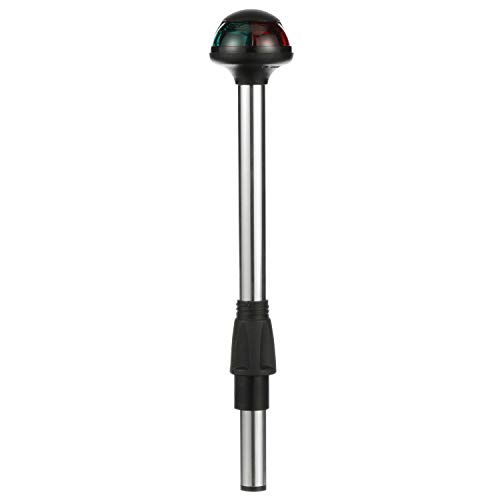
The Pulsar 5090 series provides up to 1 mile visibility with a 225-degree light spread and a 10-inch aluminum pole for durability. It is USCG compliant for boats up to 12 meters. Best for larger vessels requiring extended visibility in darker conditions. Caution: ensure your mounting base matches the 2-pin configuration for proper electrical connection.
Pactrade Marine Bi-Color Bow Light

Featuring a 12-inch bi-color bow light with a removable 2-pin plug-in base, Pactrade Marine uses plastic housing and aluminum post. It supports vessels up to 20 meters and provides 225-degree visibility at 13 VDC. Best for pontoons and mid-size boats seeking a removable base option. Limitation: plastic housing may be less durable in harsh shoreline conditions compared with metal options.
Obcursco Red/Green Navigation Lights

Obcursco’s lights are IP67-rated with a die-cast zinc chrome-style housing and 225-degree beam. They deliver 2 NM visibility for safe signaling. Best for users who want a chrome-like appearance and robust weather resistance. Caution: ensure the wiring gauge matches your vessel’s electrical system for optimal performance.
SEACHOICE Chrome Bi-Color Bow Light

SEACHOICE’s chrome bow light provides 1 mile visibility and is designed for sail or powerboats under 39 feet. It’s a compact option suitable for upgrading existing installations or new builds. Best for users prioritizing straightforward installation and reliable signaling. Limitation: smaller size may limit defuse distance on very fast vessels.
Buying Guide
- Visibility and range: Consider the legal requirements in your area. USCG-recommended ranges vary by vessel size; higher visibility helps in busy waterways.
- Power and voltage: Most bow lights are 12V DC. Verify your boat’s electrical system and wire gauge to prevent overheating or power drop.
- Mounting and durability: Aluminum poles resist corrosion; chrome zinc housings offer a distinct look but may require more maintenance in saltwater. Check IP ratings for water protection.
- Beam angle and coverage: A 225-degree spread is common for port-starboard signaling; 360-degree coverage is unnecessary for bow-only applications but may be relevant for combined lighting setups.
- Certification and compliance: Ensure selected lights meet USCG visibility standards (2 NM or 1 mile in typical setups) for your boat length.
- Installation considerations: Some models use removable bases or 2-pin connectors. Plan for deck space, wiring routing, and mounting clearance.
- Durability vs. aesthetics: Chrome-style housings look premium but may require more care; simple black or neutral housings tend to be lower maintenance.
FAQ
What does 225-degree light spread mean?
It describes the horizontal coverage angle of the light, indicating how much of the boat’s front and sides are illuminated.
Is bi-color lighting legal for all boats?
Bi-color bow lights are standard and typically legal for most sail and powerboats under certain lengths and conditions; always verify local regulations and USCG requirements.
What is the advantage of a 10-inch pole?
A longer pole elevates the light, increasing visibility above deck clutter and improving line-of-sight with other vessels.
Can I replace factory lights with bi-color bow lights?
Yes, but confirm mounting compatibility, wiring, and power requirements with your boat’s current setup.
Do these lights require special maintenance?
Regularly inspect seals and connections; clean lenses to maintain brightness; replace LEDs only when necessary.
What should I upgrade first on an older boat?
Prioritize bow and stern navigation lighting to meet visibility requirements and improve nighttime safety.