Best Wood Sealer for Boats and Docks: Protecting Marine Wood Surfaces
Answer: For boat docks, decks, and other constantly moist wood, choose a marine-grade, UV-protective, water-based sealer that penetrates and seals to prevent water intrusion and rot. This guide highlights five top options so you can pick the right one for your project, whether you’re sealing teak on a deck or protecting pine fasteners near the water. The best picks target different needs: deep penetration, teak-specific care, or clear weatherproofing without changing color.
| Product | Best For | Notes |
|---|---|---|
| SEAL-ONCE MARINE | Outdoor docks, piers, and near-saltwater areas | Water-based with ultra-low VOC; not for hardwoods like ipe/teak |
| TotalBoat Wood Sealer | New or bare wood across boats and varnish-prep | Pre-varnish sealer; works on oily hardwoods |
| Thompson’s WaterSeal Clear | General outdoor wood and concrete surfaces | Clear finish; broad use; marine suitability variable |
| TotalBoat Danish Teak Sealer | Outdoor teak and tropical hardwoods | Teak-focused; maintains golden color |
| TotalBoat Clear Penetrating Epoxy | Rot repair and restoration | Epoxy sealer; penetrates; versatile on many wood types |
SEAL-ONCE MARINE – 1 Gallon Penetrating Wood Sealer

Best for outdoor docks and marine-grade use, this water-based sealer creates a UV-stable coating to protect against salt spray, moisture, and general weathering. It’s designed for boat docks, decks, and retaining walls near water and is safe for use over open water with aquatic life considerations. Not recommended for hardwoods such as ipe, mahogany, or teak. Choose this if you need a marine-friendly, low-VOC option that resists water infiltration without altering natural wood color. Caution: not suited for hardwood species in high-end teak or ipe installations.
TotalBoat Wood Sealer – Marine Grade

Best for bare wood surfaces that will receive varnish, this one-part sealer fills grain and creates a smooth base for marine varnish like TotalBoat Lust, Gleam, or Halcyon. It works on various woods, including plywood and oily hardwoods such as teak and mahogany. It provides UV protection down to the wood grain and helps prevent cracking and peeling of subsequent coatings. Choose this if you want a reliable foundation for varnish on boat interiors or exterior bare wood. Limitation: thinning may be required for spraying or brushing in tight joints.
Thompson’s WaterSeal Clear Wood Sealer
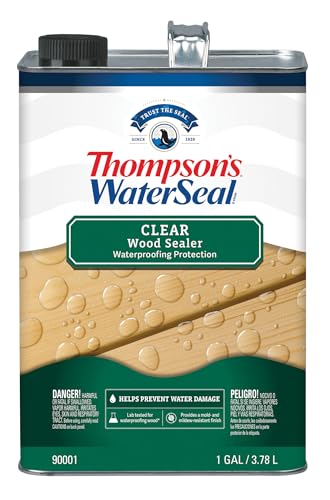
Best for general outdoor protection, this clear sealer helps prevent water damage while maintaining a natural wood color. It can be used for wood, brick, and some concrete surfaces. Choose this if you want a straightforward, clear finish that preserves appearance without adding color. Limitation: not specialized for marine-grade applications; performance may vary in high-wet or salt-rich environments.
TotalBoat Danish Teak Sealer

Best for teak and other tropical hardwoods, this marine-grade teak sealer keeps teak’s natural golden color while protecting against water intrusion. It’s versatile for outdoor teak furniture and boat decks, trim, and hardware. Choose this if teak or similar woods form the core of your project and you want a natural-looking finish. Caution: may require periodic reapplication to maintain appearance in harsh marine conditions.
TotalBoat Clear Penetrating Epoxy Sealer

Best for rot repair and long-term stabilization, this is a penetrating epoxy sealer designed to stop rot and harden wood before finishing. It creates a versatile base for traditional coatings and can be used on a wide range of softwoods and hardwoods, including ipe and teak. Choose this if you’re dealing with rotted sections or need a durable restorative step before sealing. Limitation: epoxy systems require careful handling and adherence to substrate preparation.
Buying Guide: Key Considerations for Marine Wood Sealers
- Water-based vs. oil-based: Water-based sealers (low VOC) are safer near water and easier to clean; oil-based options tend to offer deeper penetration and a richer finish but may have stronger odors and allow longer cure times.
- Wood type compatibility: Some products are formulated for teak or tropical hardwoods, while others excel on softwoods or composite substrates. Always verify hardwood compatibility if you work with teak, mahogany, or ipe.
- UV protection and moisture resistance: Look for UV-stable formulations that guard against sun exposure and moisture, especially in docks, piers, and high-humidity environments.
- Finish appearance: Decide between clear finishes that preserve natural color and tinted or oil finishes that enhance warmth and grain depth.
- Application and maintenance: Consider ease of application (brush, roll, or spray), drying time, and maintenance intervals to keep surfaces protected year-round.
- Safety and environment: Check VOC levels and aquatic safety if sealer will be used near open water or on wood that contacts boats and aquatic life.
FAQ
- What sealer is best for boat docks?
Generally a marine-grade, water-based sealer with UV protection and water resistance, suitable for exterior wood near saltwater or freshwater environments. - Can I use teak-specific sealers on non-teak wood?
Teak-focused sealers perform best on teak and similar tropical hardwoods; other woods may require different formulations for optimal results. - Is epoxy sealer necessary for rotted wood?
For rotted sections, a penetrating epoxy sealer can stabilize the wood before sealing; it is a restoration step, not a generic sealant replacement. - How often should marine sealers be reapplied?
Reapplication frequency depends on exposure, but high-traffic or saltwater areas typically require more frequent maintenance than shaded, dry locations. - Are water-based sealers safe for aquatic life?
Many modern water-based sealers are formulated with low VOCs and aquatic safety in mind, but always verify product labels for environmental guidance. - Can I seal painted or stained wood with these products?
Some sealers are designed to be applied over bare wood or stained finishes; check label compatibility before applying over painted surfaces.