Best USCG Approved Visual Distress Signals for Safer Boating in 2026
Answering the need for reliable, Coast Guard-approved visual distress signals (VDS) for American boaters. This guide highlights five top USCG-certified options, explains who each is best for, and offers practical buying tips. Ideal for crews seeking durable electronic flares, integrated signaling kits, and hand-held options that meet Nighttime, Daytime, and Audible distress requirements. The top picks are suited for small boats, larger vessels, and recreational mariners who want quick, visible signaling in emergencies. The following table summarizes key choices to help compare at a glance.
| Product | Best For | Why It Stands Out |
|---|---|---|
| Sirius Signal C-1003 SOS LED Distress Signal | Families and casual boaters | Coast Guard approved, long-duration up to 60 hours, bright SOS visibility |
| TEKTITE SOSeFLARE 5 | Serious sailors and jet skiers | USCG & SOLAS compliant; waterproof and floats upright; 30+ hour run time |
| ACR ResQFlare | Commercial and saltwater vessels | 360° visibility, IP67 waterproof, dual distress signals with flag |
| ACR C-Strobe LED Life Jacket Signal | Pocket-sized signaling on deck | USCG & SOLAS approved, quick release and wearing comfort |
| Sirius Signal MK-1001 | Comprehensive aboard safety | All-in-one visual, audible, and first aid signals |
Sirius Signal C-1003 SOS LED Distress Signal
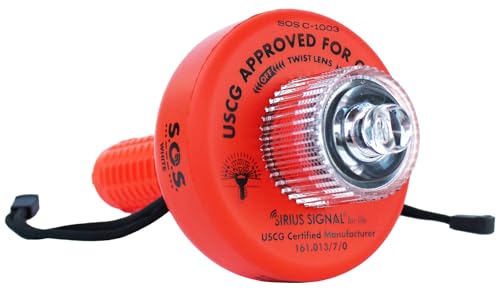
The C-1003 SOS LED Distress Signal is a USCG-approved electronic flare replacement designed for quick deployment during emergencies. It fulfills night, day, and audible distress signal requirements. The kit includes a daytime flag and whistle for added signaling options. Best for families and casual boaters who want a simple, complete distress package with long-lasting performance.
Why choose this for your boat: it provides a bright SOS signal visible up to 10 nautical miles, with batteries included for immediate use. It’s also designed to operate for up to 60 hours under typical conditions, which reduces the need for frequent replacements on longer outings. A practical choice for boats that prioritize straightforward operation and robust visibility.
Limitation to note: as an electronic flare alternative, it may rely on battery life and occasional maintenance; verify battery status before trips with longer durations.
TEKTITE SOSeFLARE 5 Distress Signal Kit
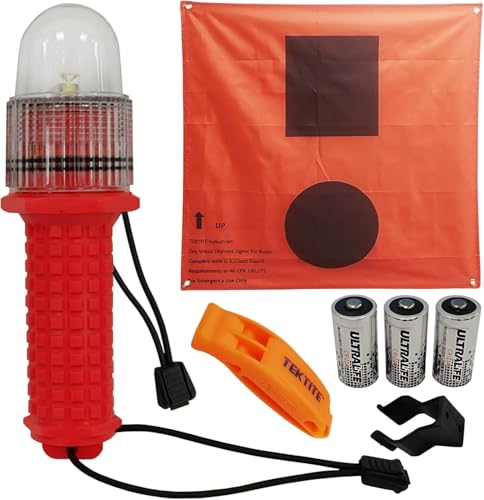
This USCG- and SOLAS-compliant electronic distress signal kit offers a comprehensive solution for day and night signaling. It includes a distress flag and an audible signal, with S-O-S in Morse code for reliability in varied visibility conditions. Best for serious sailors and jet-ski riders who need a complete, legally compliant replacement for traditional flares.
Why it stands out: it operates for 30+ hours on CR123 lithium batteries and uses user-replaceable design, simplifying long trips. The device floats upright and remains watertight to 500 feet, making it a strong choice for rough marine environments.
Limitation: battery replacement is required over time, and batteries are not included in some bundles, so plan for spares when you purchase.
ACR C-Strobe LED Life Jacket Signal
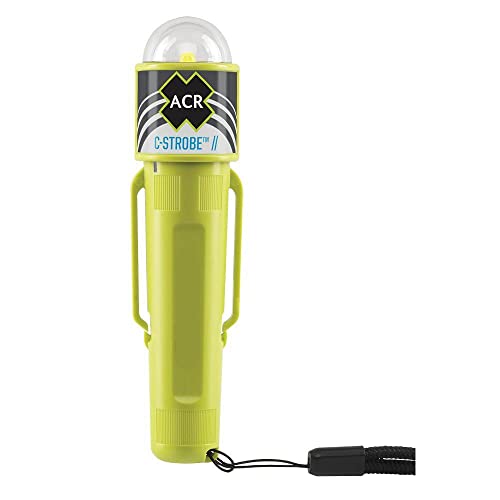
Designed as a compact signaling option integrated with a life jacket, the C-Strobe is USCG and SOLAS approved for emergency signaling. It can be deployed quickly from the life jacket or on deck, combining ease of use with essential visibility in distress scenarios.
Best for: boaters who want a lightweight, wearable distress signal that can be accessed without rummaging through gear, making it ideal for quick responses during emergencies.
Limitation: requires AA batteries, and package dimensions are minimal, so verify battery type and availability before trips.
ACR ResQFlare Electronic Distress E-Flare
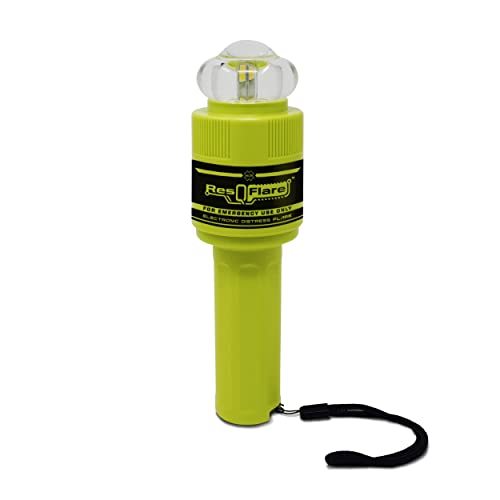
ResQFlare combines digital signaling with a daytime distress flag to satisfy USCG requirements for both night and day signaling. It’s IP67 waterproof and provides 360° visibility, making it suitable for boats that spend time in varied weather.
Who should consider this: vessels that require a clear nighttime and daytime signaling combination, plus the reassurance of water resistance and self-righting capability. It’s a robust, portable option for crewed and small-crew boats alike.
Note: This device is designed to meet stringent USCG standards, but you should verify compatibility with other aboard signaling systems you may rely on during emergencies.
Sirius Signal MK-1001 Boating Safety Kit

The MK-1001 combines visual and audible signaling with essential safety tools and first aid components. It is USCG approved and includes the C-1003 SOS eVDSD distress signaling device along with an orange daytime distress flag. This makes it a strong all-in-one option for boats that want to exceed basic signaling requirements.
Best for: boaters seeking a comprehensive safety solution on board, including visual, audible, and first aid elements. It’s a practical all-in-one kit for crews that prioritize preparedness on longer trips or remote routes.
Limitation: the kit’s breadth means it may be bulkier than single-signal options; evaluate storage space and how you’ll organize components for fast access during emergencies.
Buying Guide: How to Choose USCG Approved Visual Distress Signals
- What type of signal is needed? Consider night-only, day-only, or combined visual and audible signaling. USCG and SOLAS certifications cover different signaling formats; choose a product that aligns with your boating activities and vessel type.
- How long should signals last? Look at run time or battery life. Electronic signals often offer extended operation compared with traditional pyrotechnics, which helps on longer trips or in remote areas.
- Waterproofing and buoyancy—is the device submersible or waterproof to a certain depth? Some signals float upright, which aids visibility and retrieval after deployment.
- Portability and storage—consider how the kit fits in your boat’s storage. Wearable signals or compact devices improve quick access during emergencies.
- Maintenance and replacement parts—verify whether batteries or replacement flags are readily available and easy to replace to maintain readiness.
- Compatibility with existing safety gear—ensure new signals complement any current VDS or first aid kits without redundancy.
FAQ
- What does USCG approved mean for distress signals? It indicates the device meets Coast Guard standards for signaling in both visual and audible modes and aligns with night and day signaling requirements.
- Can electronic distress signals replace pyrotechnic flares? In many cases yes; products like ResQFlare and TEKTITE kits are designed as legal replacements with comparable or enhanced visibility.
- How long do these devices typically last? Battery life varies by model, with some offering 30+ hours of operation and others up to 60 hours, depending on usage and settings.
- Are these signals waterproof? Most options are rated IP67 or better and buoyant, meaning they resist water exposure and can float in water.
- Do these kits include all parts needed for signaling? Many include flags, whistles, or additional audible devices, but always verify what’s included in the specific bundle before purchase.
- Which signal is best for a small boat? Compact, wearable, and easy-to-deploy signals—such as a life-jacket compatible device—often suit small boats best due to quick access and minimal storage needs.