Best Trolling Plate for Outboard Motor: Easy Trolling Speed Control for Your Boat
Find the right trolling plate to slow your outboard or stern-drive to about 1 mph for effective trolling. This guide highlights five options designed for 50–300 HP motors, explaining who each is best for and why. Use these plates to improve line control, reduce motor strain, and help you target fish with precise speed. The selections emphasize easy installation, durable construction, and practical features such as hinges that protect the plate during accidental acceleration.
| Product | |||
|---|---|---|---|
| Ironwood Pacific EasyTroller Standard | 50–300 HP | Trolling beginners and seasoned anglers needing reliable slow-speed control | Hinged plate for damage resistance |
| Ironwood Pacific EasyTroller Standard With Fins | 50–300 HP | Rougher water or extra stability seekers | Includes fins for improved stability |
| EasyTroller Short | 30–45 HP | Small engines and compact setups | Compact design with same slow-speed capability |
| EasyTroller Short With Fins | 30–45 HP | Small boats requiring extra stability | Fins for enhanced tracking |
| Xiozugibi Trolling Plate | 50–300 HP | Budget-friendly option with robust materials | Marine-grade aluminum and stainless steel |
Ironwood Pacific EasyTroller Trolling Plate – Standard
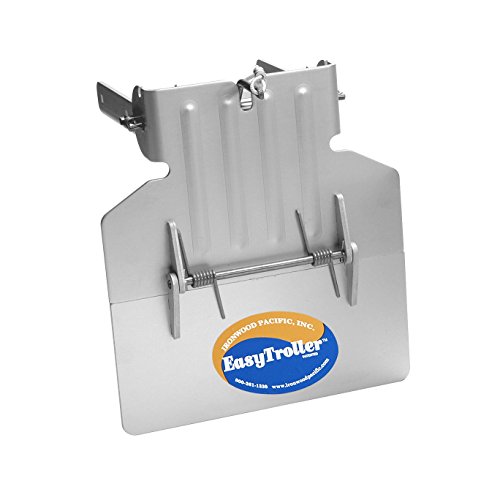
The EasyTroller Standard is designed to slow trolling speeds to about 1 mph for 50–300 HP outboards or stern drives. It features a damage-resistant hinged plate that flexes upward if the propeller or boat experiences a sudden acceleration, reducing the risk of plate damage. Installation is straightforward—mount directly to the cavitation plate a few inches behind the propeller. This option is best for anglers who want a proven, uncomplicated solution with reliable performance in a variety of water conditions.
Who it’s best for: anglers new to trolling or those who value a simple, dependable setup that works across a wide horsepower range. Why chosen: widely compatible, easy to install, and designed to minimize plate damage during unexpected acceleration.
Caution: ensure proper clearance behind the prop and cavitation plate mounting area to prevent interference with steering or water intake. Check that your cavitation plate can support the plate’s weight and mounting hardware.
Ironwood Pacific EasyTroller Trolling Plate – Standard With Fins

This version adds fins for improved stability and tracking on the water. It retains the same slow-speed capability (down to about 1 mph) and the hinged, damage-resistant design. Mounting is unchanged—attach to the cavitation plate a few inches behind the propeller. The fins can help boats with lighter hulls or in windy conditions stay on course while trolling at ultra-slow speeds.
Who it’s best for: boaters dealing with choppy water or planning to troll with a lighter vessel that benefits from added directional stability. Why chosen: better stability without sacrificing the dependable EasyTroller speed control.
Caution: fins add slight drag; consider whether your boat’s prop and hull geometry can benefit from the extra surface area without overloading the motor at idle. Ensure there’s no collision with gear or skegs during sharp turns.
EasyTroller Trolling Plate – Short
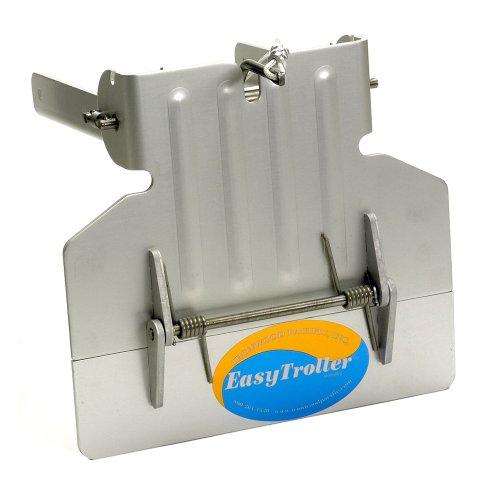
The Short version mirrors the standard in design but is sized for smaller engines in the 30–45 HP range. It preserves the key feature—slows trolling to about 1 mph with a hinged plate that resists damage during acceleration. Ideal for small boats, river vessels, or anglers with compact rigs who still want precise slow-speed control.
Who it’s best for: owners of smaller outboards seeking a compact, easy-to-install trolling plate. Why chosen: a practical fit for 30–45 HP setups without sacrificing slow-troll performance.
Caution: limited horsepower range means it may not be compatible with higher-horsepower motors. Verify mounting hardware compatibility with your cavitation plate before purchase.
EasyTroller Trolling Plate – Short With Fins

This model combines the compact footprint of the Short with added fins for enhanced stability. It also targets 30–45 HP engines and offers the same administrative ease: a hinged plate that limits damage from sudden acceleration and straightforward cavitation plate mounting just behind the propeller. It’s best when you want both a small profile and improved tracking in variable water conditions.
Who it’s best for: small-boat anglers who want extra stability without increasing overall height or complexity. Why chosen: balances compact size with tracking aids for smoother trolling in rougher water.
Caution: fins may require extra clearance; ensure there is adequate space on the cavitation plate and along the prop shaft line to avoid contact with the hull or gear during turns.
Xiozugibi Trolling Plate

The Xiozugibi trolling plate is designed for 50–300 HP outboard and stern-drive motors. It emphasizes marine-grade anodized aluminum and stainless steel construction, offering robust corrosion resistance and long-term durability. The plate aims to slow trolling to about 1 mph, with simple cavitation-plate mounting a few inches behind the propeller. The model is positioned as a budget-friendly yet sturdy option for practical trolling needs.
Who it’s best for: budget-conscious anglers who still want reliable slow-speed control and durable materials. Why chosen: solid construction and broad motor compatibility at a lower price point.
Caution: the absence of fins in this model may result in a different stability profile on very rough water; evaluate water conditions and boat size to ensure adequate control during trolling.
Buying Guide: Key Purchase Considerations
What horsepower range do you need? Choose a trolling plate that covers your motor’s HP—most in this guide fit 50–300 HP. If you have a smaller rig (30–45 HP), prefer the Short versions for a compact footprint without sacrificing functionality.
Where will you troll most often? If you fish in choppy waters or want extra tracking, a model with fins may provide better stability. For calm water or minimal on-board space, the standard plate could be sufficient.
How important is rapid installation and compatibility? Look for a plate that mounts directly to the cavitation plate a few inches behind the propeller. Ensure there is clearance for the plate and any fins with your propeller and skeg clearances.
What about durability and maintenance? Hinged plates reduce damage risk during unexpected acceleration. Materials like marine-grade aluminum and stainless steel resist corrosion, extending life in saltwater conditions.
What is your budget and long-term cost of ownership? While all options slow to 1 mph, consider whether fins, extra hardware, or a more budget-friendly model aligns with your overall boating setup and maintenance plans.
FAQ
- What speed should trolling plates achieve? Most options aim for about 1 mph for effective trolling at a low, steady pace.
- Do trolling plates require specialized installation? Yes, mounting to the cavitation plate behind the propeller is typical; ensure compatibility with your motor model.
- Can a trolling plate damage my boat? modern hinged designs reduce risk by flexing upward during abrupt acceleration, protecting both plate and hull when used correctly.
- Are fins necessary? Fins improve stability and tracking in rough water but are not essential for all setups.
- Which option is best for small HP engines? Short versions (30–45 HP) provide a compact, effective solution for smaller boats.
- Is a budget option reliable? Budget models like the Xiozugibi can be solid choices when you need basic slow-speed trolling with durable materials, but verify fit for your specific motor and water conditions.