Best Trolling Motors for Rowboats: Top Transom and Bow Models for Easy Stillwater Fishing
Answering the common buyer question, these trolling motors are selected to fit rowboats, prioritize reliability, and provide simple control on calm to choppy water. This guide highlights models suitable for smaller craft, including transom-mount options and a bow-mount choice for added maneuverability. The top picks below are best for anglers who want steady propulsion, quiet operation, and straightforward installation on rowboats. The summary table offers quick at-a-glance comparisons to help decide which motor matches your boat size, typical water conditions, and battery setup.
| Product | Thrust | Shaft | Mount | Main Strength |
|---|---|---|---|---|
| Minn Kota Endura C2 (30 Lb) | 30 Lb | 30 in. | Transom | Balanced for small rowboats; quiet, reliable |
| Newport NV-Series (62 Lb) | 62 Lb | 36 in. | Transom | High thrust for windy days |
| Newport NV-Series (55 Lb) | 55 Lb | 30 in. | Transom | Efficient power with long operation |
| Minn Kota Endura C2 (40 Lb) | 40 Lb | 36 in. | Transom | Stronger propulsion for bigger rowboats |
| Newport NV-Series (36 Lb) | 36 Lb | 30 in. | Transom | Lightweight and efficient for small craft |
Minn Kota Endura C2 Transom Trolling Motor – 30 Lb
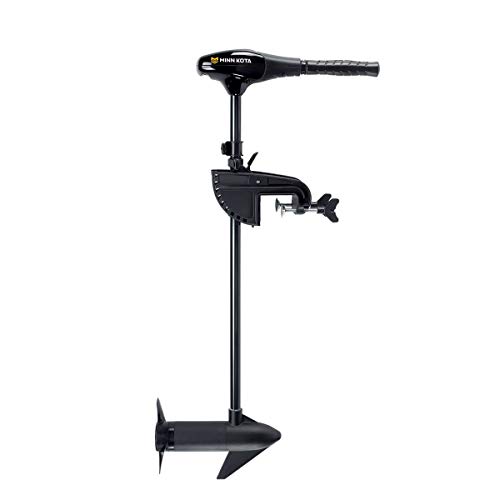
The Endura C2 30 Lb transom motor is selected for compact rowboats that require dependable, modest propulsion. Its 30-inch shaft provides a stable reach, and the 6-inch telescoping tiller delivers comfortable steering on long fishing sessions. The Push-to-test battery meter helps you monitor charge while on the water, and the 10-position lever lock bracket lets you lock the motor angle securely. The reinforced composite housing resists UV damage and warping, extending life in marine use. This model is best for light-to-moderate currents and small to medium rowboats where stealth and quiet operation matter.
Best for: smaller rowboats with light loads or anglers prioritizing simple control and durability. Choose this if your water is calm to moderate and you want a proven, straightforward trolling motor without extra bells and whistles.
Caution: with denser vegetation, the standard prop may require extra effort; consider upgrading to a power prop designed for heavier cover if frequently fishing in thick weed beds.
Newport NV-Series 62lb Thrust 12V Trolling Motor

This high-thrust 62-lb Newport NV-Series motor is built for larger boats or heavier loads. Designed for both freshwater and saltwater, it offers robust power to offset wind, chop, or current. The 36-inch shaft helps keep the prop in optimal water depth, preserving efficiency. A three-blade prop provides strong push and better handling under demanding conditions. While heavier and more capable, the motor remains compact enough for rowboats that need extra efficiency and control on longer runs.
Best for: rowboats that encounter windy days, larger decks, or heavier gear where more thrust improves planing, maneuverability, and steady speed. Better for anglers needing reliable performance in tougher water conditions.
Caution: higher thrust means heavier weight and potentially shorter battery life on long trips; plan battery capacity accordingly and ensure your mounting area can support the extra weight.
Newport NV-Series 55lb – Saltwater Trolling Motor
The 55-lb NV-Series combines solid thrust with efficient operation across saltwater and freshwater. It features a 30-inch shaft, a five-LED battery meter, a six-inch telescoping tiller handle, and a three-blade propeller. Adjustable mount angle, height, and direction make it suitable for rowboats with varied transom heights. Eight speeds (five forward, three reverse) provide flexible control for different water conditions. Its low-end torque helps start slow, smooth movement that reduces spooking fish.
Best for: rowboats that require a balance of power and efficiency, especially in mixed-water environments or where a compact 30-inch shaft fits transom height. Choose this if you value steady, predictable performance with readable battery indicators.
Caution: as with all higher-thrust transom motors, verify mounting space and ensure the transom can handle the bracket’s load and the tilt range needed for water depth variations.
Minn Kota Endura C2 40 Lb – Transom Mount
The 40-lb Endura C2 model strengthens propulsion for slightly larger rowboats while maintaining the familiar, reliable control profile of the Endura line. A 36-inch shaft increases reach for deeper water, and the 6-inch telescoping tiller ensures comfortable handling for long trips. The motor head includes a push-to-test battery meter and a robust lever-lock system to fix the desired angle. The prop is designed to handle heavier vegetation, making this a better choice when weed cover is common around your rowboat launch.
Best for: rowboats that need extra thrust without stepping up to heavy-duty models. Choose this if you fish in moderately weeded areas or expect longer runs with consistent battery usage.
Caution: ensure your boat’s transom and bracket can accommodate the longer shaft length and the additional torque from heavier propeller use in dense cover.
Newport L-Series 86lb – High-Power Saltwater

This 86-lb L-Series offers the strongest power option in the Newport lineup for rowboats facing challenging currents or heavier loads. With a 40-inch shaft, a five-LED battery meter, and a six-inch telescoping tiller, it supports controlled, long-duration trolling. Eight speeds (five forward, three reverse) give precise pace control, and the three-blade prop provides good low-end torque to move larger craft efficiently. It’s designed for trolling and dependable, extended use in saltwater conditions as well as freshwater.
Best for: rowboats with larger transoms or those frequently navigating wind and current where maximum thrust is advantageous. This is the pick for anglers needing serious hauling power from a compact motor.
Caution: the higher power comes with more weight and potentially higher operating costs; confirm battery capacity and charging availability for all-day trips.
Buying Guide: What To Consider When Choosing A Rowboat Trolling Motor
- Boat size and weight: Smaller rowboats benefit from 30–40 lb thrust, while larger or heavier boats may require 50–86 lb thrust for adequate control and speed.
- Transom vs. bow mount: Transom mounts are often simplest for rowboats; bow mounts offer advanced control but require more installation planning.
- Shaft length: Match shaft length to water depth and transom height. Too short reduces efficiency; too long adds weight and complexity.
- Propeller design: Three-blade props deliver strong thrust in open water; two-blade props optimize battery life and speed for calm conditions. Consider vegetation use if you fish through weeds.
- Battery indicators: Look for integrated battery meters to monitor charge during trips; longer trips benefit from clearer readouts and low-battery alarms.
- Durability: UV resistance and corrosion protection matter for saltwater use and long seasons of fishing.
- Ease of installation: Lever locks, tilting/telescoping handles, and simple height adjustments save time during setup and use.
- Maintenance: Check prop nut and washer inclusion; a complete installation kit reduces the need for extra accessories.
Frequently Asked Questions
- What size trolling motor is best for a small rowboat? For most small rowboats, 30–40 lb thrust is adequate for calm conditions and light gear.
- Is a longer shaft better for rowboats? A longer shaft helps keep the prop in deeper water and improves performance in rough conditions, but may be heavier. Match to transom height and water depth.
- Should I choose a transom-mount or bow-mount motor for a rowboat? Transom mounts are generally easier to install on rowboats, while bow mounts offer more control and steering precision for experienced users or larger boats.
- Are three-blade props better than two-blade for rowboats? Three-blade props provide greater thrust and torque in challenging water, whereas two-blade props are often more efficient and extend battery life in calmer conditions.
- Do trolling motors work well in saltwater? Yes, many models are built for saltwater with corrosion-resistant materials; ensure you select a motor designed for the water type you frequent.
- What maintenance should I perform on a trolling motor? Regularly check prop nuts, washers, and pin; inspect the mounting bracket for wear; clean and lubricate moving parts as recommended by the manufacturer.