Best Trolling Motors for an 18-Foot Boat: Quiet Power for Big Waters
Answer: For an 18-foot boat, prioritize trolling motors with at least 30–55 pounds of thrust, a long enough shaft to keep the prop in clean water, and corrosion-resistant design for versatility in freshwater and saltwater use. The top picks below are chosen for stability, quiet operation, and reliability across common boating conditions. Each product note includes who it’s best for and why it was selected, plus a practical limitation to consider.
| Product | Thrust | Shaft Length | |
|---|---|---|---|
| Endura C2 40 Lb Transom-Mount | 40 lb | 36 in | All-around freshwater use, larger 18-foot boats |
| Endura C2 30 Lb Transom-Mount | 30 lb | 30 in | Budget-friendly, smaller 18-foot layouts |
| Newport NV-Series 55lb Saltwater | 55 lb | 30 in | Saltwater and larger boats needing more power |
| Newport NV-Series 36lb Transom Mount | 36 lb | 30 in | Lightweight setups, kayaks and small boats |
| Newport NV-Series 62lb Transom Mount | 62 lb | 36 in | Heavy loads and challenging conditions |
Minn Kota Endura C2 Transom-Mount Electric Trolling Motor – 40 Lb. Thrust
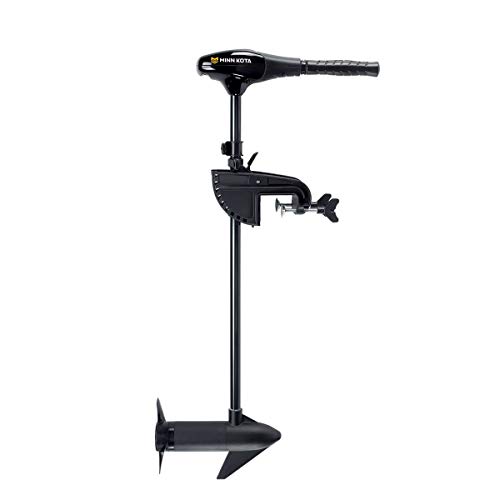
Best for: Boats requiring solid power without oversizing. The 40 lb thrust with a 36-inch shaft offers reliable propulsion for an 18-foot freshwater setup. The telescoping tiller makes long days on the water easier, and the 10-position lever lock helps set your preferred angle quickly. This model includes a heavy-vegetation power prop and a complete installation kit, supporting durable marine performance.
Caution: Designed primarily for freshwater use; saltwater exposure may require corrosion prevention routines and careful inspection of components after use.
Minn Kota Endura C2 Transom-Mount Electric Trolling Motor – 30 Lb. Thrust
Best for: Budget-conscious buyers with smaller or calm-water 18-foot boats. The 30 lb model shares the same user-friendly features as the higher-thrust version, including a telescoping tiller, push-to-test battery meter, and a reliable lever-lock system. The shorter shaft suits shallower transoms, with adequate power for moderate conditions.
Limitation: Less reserve power in windy conditions or currents; may struggle with heavier loads or thick vegetation compared to higher-thrust options.
Newport NV-Series 55lb Saltwater Transom Mounted Trolling Motor

Best for: Boaters needing robust power in saltwater and larger vessels. The 55 lb thrust, 30-inch shaft, and LED battery meter provide strong low-end torque with clear battery status. The 3-blade propeller delivers reliable thrust for variable conditions, and the motor offers eight speeds for nuanced control.
Limitation: Higher power draw means shorter runtime if battery capacity is limited; ensure battery and wiring are sized for saltwater use.
Newport NV-Series 36lb Thrust Trolling Motor 12V – Saltwater Transom Mount
Best for: Smaller watercraft and kayak-style setups where lightweight, efficient propulsion matters. The 36 lb thrust with a 30-inch shaft is designed for longevity and quiet operation, even in saltwater. The dual-propeller design emphasizes efficiency for longer battery life.
Limitation: Not ideal for larger 18-foot boats with strong winds or heavy current; may require more throttle to achieve planing or consistent speed in challenging waters.
Newport NV-Series 62lb Thrust Trolling Motor 12V
Best for: Boaters facing tough conditions or needing stronger propulsion on bigger or heavier loads. The 62 lb thrust paired with a 36-inch shaft provides maximum power for wind, current, and weighty gear. The three-blade propeller supports effective thrust with better control at lower speeds.
Caution: Higher thrust means greater battery usage; plan for higher current draw and ensure the battery and alternator system can handle it.
Buying Guide
What thrust do I need for an 18-foot boat?
For typical 18-foot boats, 30–55 pounds of thrust covers most freshwater needs. Go higher if you routinely fish in windy conditions, strong currents, or carry heavier gear. If you expect saltwater use or larger loads, consider 55–62 pounds for better control and performance.
Which shaft length is best?
A 30-inch shaft is common for smaller craft; a 36-inch shaft is helpful for deeper water or tall transoms to keep the prop away from debris. Choose a length that places the propeller in clean water, not in the boat’s wake or hull wash.
Freshwater vs. saltwater suitability
Saltwater-rated motors resist corrosion and typically feature more rugged housings and components. If you boat in mixed or salty environments, prioritize saltwater-capable models and perform routine rinsing after use.
Power, reliability, and noise
Look for models with low-end torque for precise starting, a reliable battery meter, and a quiet motor head. A 3-blade propeller is common for stronger thrust, while two blades can be more efficient in light-duty setups.
Installation and compatibility
Transom-mount motors are easiest to install on most standard 18-foot boats. Ensure mounting hardware fits your transom thickness and that the motor head height aligns with your seating and steering reach.
Battery and maintenance considerations
Plan for a marine-grade 12V battery with enough capacity for your typical trips. Regularly inspect clamps, water levels (if applicable), and propeller wear. Clean the motor after saltwater use to extend life.
FAQ
- What size trolling motor should I use on an 18-foot boat?
Most boats of this size do well with 30–55 pounds of thrust, depending on weight, load, wind, and current. For larger 18-foot setups or challenging waters, 55–62 pounds provides more reserve power.
- Is a longer shaft always better?
Not always. A longer shaft helps keep the prop in clean water, but can add weight and complicate storage. Choose a shaft length that places the prop in water away from hull turbulence.
- Should I choose saltwater-rated if I fish in both environments?
If you routinely fish in saltwater, choose saltwater-rated motors. They resist corrosion and endure harsher conditions better than freshwater-only units.
- How important is the propeller design?
A 3-blade propeller typically delivers stronger low-end torque, but two blades can offer efficiency in lighter conditions. Consider your typical fishing setup when choosing.
- Do I need a GPS-enabled trolling motor for a fishing boat?
GPS-enabled models provide advanced positioning and convenience, such as Spot-Lock and follow modes. They’re beneficial for hands-free control in docked or drift-heavy scenarios, but are more expensive.
- What maintenance is required after saltwater use?
Rinse with fresh water, dry completely, inspect for corrosion, and lubricate moving parts as recommended by the manufacturer. Replace any worn propellers or seals promptly.