Best Swim School Life Jacket Options for Safe Water Play
Answering buyers who want reliable, kid-friendly flotation gear, this guide highlights top swim school worthy life jackets and kids’ vests. Each pick supports learning to swim, increases confidence, and keeps little movers safe in the water. Best for parents seeking adjustable fits, soft materials, and strong sun protection. The following selections emphasize proven designs from SwimSchool and trusted brands, with clear guidance on suitability, limitations, and use.
Summary of chosen products
| Product | Best For | Key Benefit |
|---|---|---|
| SwimSchool Swim Trainer Vest – Small/Medium | Young children starting water play | Padded shoulders, adjustable safety strap, UPF 50 |
| Speedo Unisex-Child Swim Flotation Classic Life Vest | General swimming lessons | UV 50+, durable material, snug leg strap |
| New SWIMSCHOOL Neoprene Premium Swim Trainer Vest | Older toddlers to smaller kids | Soft neoprene, flexible foam, secure zipper |
| SwimSchool Swim Trainer Vest – Medium/Large | Growing kids, more buoyancy control | Adjustable fit, form-fit design, UPF 50 |
| Oceans7 US Coast Guard-Approved Youth Life Jacket | USCG-approved safety focus | Open-side design, 3 adjustable straps |
SwimSchool Swim Trainer Vest – Small/Medium
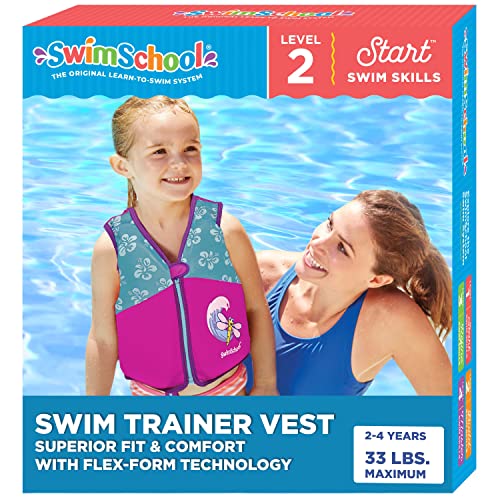
Best for beginners who are just starting water confidence. The Level 2 trainer supports comfortable movement in the water and encourages arm and leg use. The padded shoulders and adjustable safety strap provide a secure fit, while UPF 50 fabric protects the upper body from sun exposure. Adult supervision is essential during use. Suitable for younger children around 33 pounds or less who need gentle buoyancy and easy on/off.
- Best for: early-stage swimmers and parents prioritizing comfort and sun protection
- Why selected: proven design for confidence building with straightforward adjustments
- Caution: ensure proper fit and constant supervision in water
Speedo Unisex-Child Swim Flotation Classic Life Vest Begin to Swim UPF 50

Better for broader swimming lessons where a reliable, general-purpose vest is needed. Features UV protection and durable material with a safety leg strap to keep the vest in place during movement. This option is often favored for kids who require steady flotation without excessive bulk. Review weight guidance and ensure the vest remains securely fastened during activity.
- Best for: general swim lessons and outdoor sunny days
- Why selected: trusted brand with simple, effective design
- Caution: fit may vary by body shape; verify leg strap security
New SWIMSCHOOL Neoprene Premium Swim Trainer Vest

Best for kids who need a soft, premium fabric that remains comfortable in and out of the water. The neoprene vest provides a gentle, form-fitting experience with sewn-in flexible foam for a secure fit. The heavy-duty zipper and adjustable safety strap add to stability during training. Choose this if comfort and long sessions in the pool are priorities.
- Best for: older toddlers and kids who prefer a softer fabric
- Why selected: durable neoprene and flexible foam for natural movement
- Caution: neoprene may take longer to dry between uses
SwimSchool Swim Trainer Vest – Medium/Large

Choose this for growing children who need longer wear and more buoyancy control. The Level 2 trainer keeps the child comfortable in water, while an adjustable padded safety strap and heavy-duty zipper secure fit. The UPF 50 fabric helps protect sun-exposed areas during outdoor sessions. Adult supervision remains essential.
- Best for: kids nearing upper weight limit of small/medium, or growing into larger sizes
- Why selected: extended size range with the same trusted design
- Caution: ensure correct sizing as weight varies with growth
Oceans7 US Coast Guard-Approved Youth Life Jacket
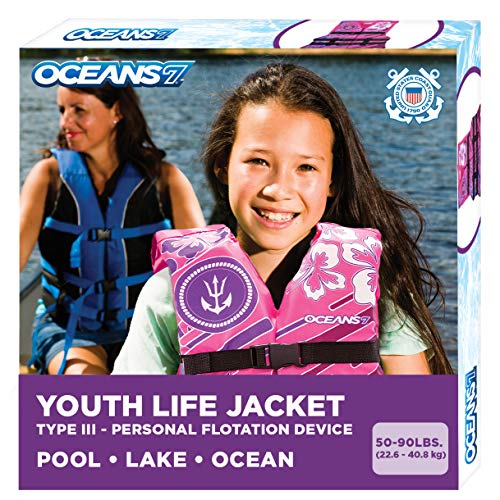
User-oriented for safety-first environments, this USCG-approved PFD is designed for youth weight ranges 50–90 pounds. It features an open-sided design with three adjustable straps and a lengthened chest strap for a comfortable, secure fit. The design supports a wide range of motion, making it a solid choice for supervised pool and shore activities. Not recommended as a substitute for constant supervision.
- Best for: families prioritizing USCG safety compliance
- Why selected: standardized sizing and open-sided design for comfort
- Caution: weight guidance varies; ensure proper fit before use
Buying Guide
- Purpose and age range: Match buoyancy level and weight capacity to your child’s current weight and swim skill stage. Start with stronger buoyancy for beginners and adjust as confidence grows.
- Fit and adjustability: Look for padded shoulders, adjustable safety straps, and a secure zipper. A snug but comfortable fit reduces riding up and increases control in the water.
- Material and comfort: Neoprene and soft fabric options are gentler on skin and more comfortable for longer sessions. UPF protection is beneficial for outdoor swimming.
- Safety features: Consider open-sided designs for range of motion, leg straps to prevent riding up, and crotch straps on some models. USCG approval provides an additional safety benchmark.
- Maintenance and care: Check drying time, rinse after saltwater or chlorinated pools, and store it fully dry to prolong life.
- Usage context: Indoor pools vs outdoor lakes may influence fabric choice and buoyancy needs. Always supervise children around water.
FAQ
- What age or weight should use a life jacket? A good starting point is weight-based sizing provided by each vest; always follow manufacturer guidelines and supervise closely.
- Is USCG approval necessary for kids? It adds an extra safety standard, but any approved flotation device used with supervision is suitable for learning to swim.
- How do I ensure a proper fit? Check that the vest covers the chest without riding up when the child moves, and secure all straps and zippers.
- Can kids wear these in sunlight? Yes, UPF 50 fabrics protect against sun exposure; reapply sunscreen as needed and keep the vest clean.
- How should I care for neoprene vests? Rinse with fresh water after use, air dry away from direct heat, and store flat to maintain shape.
- When should I stop using a vest? If the vest no longer supports buoyancy or the fit becomes loose, transition to a more appropriate size or a different type of PFD with professional guidance.