Best Solid Fuel Marine Heaters for Boats
Find the right marine heating solution for cold conditions aboard. This guide highlights five heaters suitable for boats, explaining who each is best for and why. The selections emphasize reliability, fuel type, and ease of installation to help you choose with confidence. Ideal buyers include: boat owners needing steady warmth in varying climates, skippers seeking compact, installable units, and travelers who prioritize simple operation and maintenance.
| Product | Best For | Fuel Type |
|---|---|---|
| Dickinson Marine Solid Fuel Heater for Newport | Owners with existing solid-fuel chimney layouts | Solid fuel |
| Dickinson Marine Newport Diesel Bulkhead Mount Heater | Bulkhead-install fans of diesel systems | Diesel |
| Diesel Heater 12V 8KW Ecojoy | Compact, high-efficiency diesel heating | Diesel |
| Xtreme Heaters Boat, Cabin & RV Heater | Small spaces needing portable option | Electrical diesel/air heater |
| VEVOR 8KW Diesel Heater | Rugged, long runtime on boat power | Diesel |
Dickinson Marine Solid Fuel Heater for Newport

Best for: boaters who already have or plan to install a solid-fuel chimney system on board. This heater relies on solid fuel and requires specific chimney components. It is most suitable for vessels with a fixed chimney layout and those who prefer a traditional solid-fuel heating approach.
Why selected: It directly addresses solid-fuel heating on limited marine spaces while noting chimney requirements. Its design aligns with boats already equipped or prepared for wood or solid fuel burning, offering consistent warmth in calm or rough waters.
Key considerations: The heater requires a 3-inch chimney and a minimum of 4 to a maximum of 8 feet of straight chimney. A 6-foot straight run without elbows is optimal. If you use a longer chimney, Dickinson suggests a barometric damper for better draft control. Caution: ensure proper clearances and ventilation to prevent backdrafts in tight engine compartments.
Best for: skippers who maintain a classic, steady heat source and have prepared chimney routing. Choose this if your system already matches the chimney dimensions and you prefer solid-fuel operation. Avoid this if your vessel lacks compatible chimney parts or if you cannot accommodate the required running length.
Dickinson Marine Newport Diesel Bulkhead Mount Heater
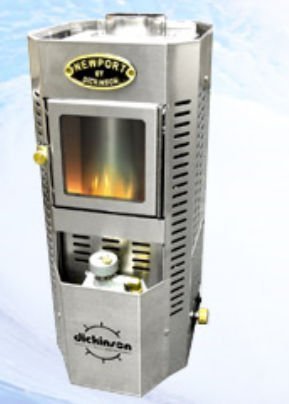
Best for: boaters who want a bulkhead-mounted diesel heater with flexible fuel usage and a compact installation. It suits vessels where a fixed installation is preferred for a clean, space-saving setup.
Why selected: This unit provides a broad heat output range (6,500–16,250 BTU) using diesel, kerosene, or stove oil. It includes a 12V combustion assist fan, supporting steady performance in confined spaces and variable ventilation conditions on board.
Key considerations: The heater’s versatility allows multiple fuel options, which is advantageous when fuel availability changes. Limitation: installation requires proper mounting and wiring, and users should verify clearance around fuel lines and electrical components to avoid interference with other marine systems.
Best for: owners who want fuel flexibility and a compact bulkhead solution. Choose this if you desire a diesel-based system with an integrated combustion assist fan. Avoid this if your vessel’s bulkhead space is restricted or if you cannot provide the necessary power wiring and fuel line routing.
Diesel Heater 12V 8KW Ecojoy

Best for: boaters seeking a fast, efficient diesel heating solution with remote control capabilities and a compact footprint. It is well-suited for smaller vessels that require rapid warm-up and straightforward operation.
Why selected: The Ecojoy heater warms 215–269 ft² in about 10 minutes and operates efficiently at high altitudes, offering a large 1.32-gallon fuel tank for extended runs. A remote control adds convenience for adjusting temperature and timers from a distance.
Key considerations: It’s designed for continuous operation with low fuel consumption. Caution: ensure ventilation and exhaust routing are compliant with marine safety standards to prevent fumes build-up in enclosed spaces.
HCALORY 8KW Diesel Air Heater

Best for: boaters wanting a versatile diesel heater that can run on 12V DC and 110V-240V AC power sources. Its altitude mode and 5L fuel tank support longer cold-season use on boats with variable shore power access.
Why selected: The unit promises fast heating and extended runtime with a larger fuel tank, plus dual power input for adaptability in different maritime power setups. The 5L tank helps reduce frequent refueling during longer voyages or storage periods.
Key considerations: While dual power input adds flexibility, ensure you have compatible wiring and power sources aboard. Caution: verify noise levels and proper mounting to avoid vibration or movement in rough seas.
VEVOR 8KW Diesel Heater
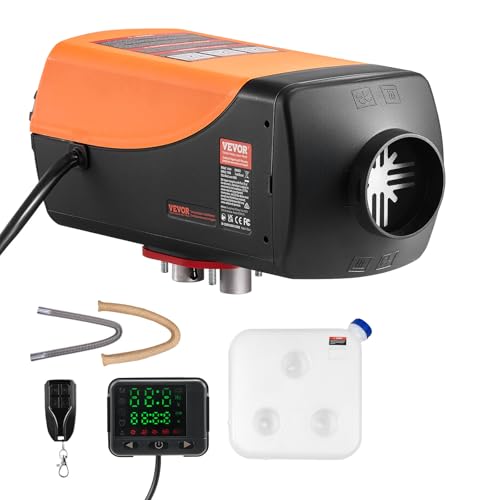
Best for: boat owners who need a robust 8kW diesel heater with a wide voltage range and long runtime. This model is suitable for mid-sized boats where consistent warmth is required with reliable fuel efficiency.
Why selected: It operates on DC 12V-24V, suitable for many marine electrical setups, and features a color digital display with a remote control. The 10L fuel tank supports longer heating sessions, and the heater emphasizes low fuel consumption and high combustion efficiency.
Key considerations: The system relies on a dedicated fuel source and proper exhaust routing. Caution: ensure secure mounting and avoid obstructing access to fuel fill caps or vents during maintenance.
Buying Guide
What fuel type suits my vessel?
Solid-fuel, diesel, and multi-fuel options cover different maintenance habits and supply chains. Solid-fuel units may require chimney installations and ventilation planning, while diesel heaters offer flexible fuel options and often easier integration with onboard systems.
How much space and mounting are available?
Bulkhead or engine-compartment placements save space but require precise clearances. Portable or compact models suit small cabins, but check that ventilation is adequate for safe operation in enclosed areas.
What heat output do I need?
BTU requirements depend on room size, insulation, and climate. A higher BTU rating provides quicker warmth and steadier comfort in larger or poorly insulated spaces, while smaller vessels can function well with lower outputs.
Power and controls: how do I want to operate it?
Diesel heaters with remote controls, digital displays, and timers offer convenience. Some units use 12V or 24V DC power and can integrate with AC adapters on shore power. Consider altitude mode for high-elevation boating.
Installation and safety considerations
Ventilation, exhaust routing, and fuel lines must meet marine safety standards. Ensure proper mounting to tolerate vessel motion. Look for features like overheat protection, tip-over switches, and durable housings to enhance safety and reliability.
Maintenance expectations
Regular inspection of fuel lines, electrical connections, and exhaust is essential. Clean or replace air filters as needed and monitor for corrosion in saltwater environments. Choose models with accessible service ports and straightforward maintenance procedures.
Summary of key factors
- Fuel type: solid fuel vs. diesel vs. multi-fuel
- Mounting: bulkhead, engine compartment, or portable
- Output: BTU range and area coverage
- Power: DC/AC options, remote control, and display
- Safety: exhaust routing, overheat protection, tipping sensors
Frequently Asked Questions
- What is the difference between solid-fuel and diesel marine heaters?
Solid-fuel units burn wood or coal and require a chimney; diesel heaters run on diesel fuel and often have flexible installation with better fuel efficiency. - Can I use any heater on any boat?
No. Match the heater to your vessel’s space, ventilation, power availability, and installation clearances. - Is extra ventilation needed with these heaters?
Yes. Proper venting is essential to prevent carbon monoxide buildup and ensure safe operation in enclosed cabins. - How long can a diesel heater run before refueling?
It depends on tank size and efficiency; models with larger tanks extend runtime for overnight use or extended voyages. - Do these heaters require professional installation?
Installation complexity varies; bulkhead and solid-fuel installations typically require more careful mounting and venting planning. - What maintenance steps are common?
Inspect fuel lines, seals, exhaust, and electrical connections; clean air intakes; replace worn components as needed.