Best Smallest Trolling Motor Batteries for Lightweight Power on the Water
The best small trolling motor batteries maximize compact size and light weight while still delivering reliable, long-lasting power. This guide highlights five compact options suitable for smaller boats, kayaks, and RV setups. Each pick is evaluated for portability, core features, and practical limitations. The top buyers are: casual anglers seeking easy handling, solo boaters needing space-saving power, and small craft operators prioritizing lightweight setups without sacrificing essential performance.
| Product | Best For | Key Benefit |
|---|---|---|
| Newport 12V50Ah AGM | Lightweight main battery | Balanced weight and power |
| Renogy 12V 20Ah | Ultra-lightweight backup | 50% lighter than lead-acid equivalents |
| Lampword 12V 15Ah LiFePO4 | Ultra-compact trolling power | High energy density in small form |
| GREENOE 12V 100Ah LiFePO4 | Long life, mid-size capacity | Up to thousands of cycles |
| DC HOUSE 12V 100Ah | Smart monitoring on the go | Bluetooth SOC and multi-port charging |
Newport 12V50Ah AGM Deep Cycle Battery

Best for: small to mid-sized trolling setups where weight matters but steady power is needed. This Newport model weighs about 32 lbs, offering a lightweight option with sealed AGM construction for leak-proof performance. It’s designed to work with trolling motors and provides reliable power without adding unnecessary bulk to a compact craft.
Why selected: The balance of lightweight design, AGM durability, and trolling motor compatibility makes this an appealing choice for anglers who want a straightforward, compact power solution. The sealed construction reduces maintenance concerns in marine environments.
Caution: AGM lead-acid batteries are heavier than LiFePO4 options of the same capacity and can require proper disposal and charging considerations for longevity.
GREENOE 12V 100Ah LiFePO4 Battery
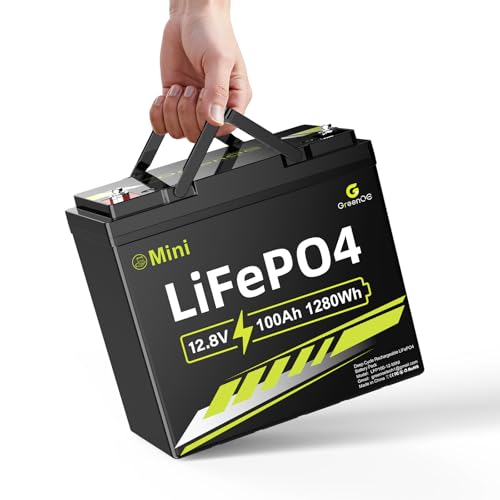
Best for: users needing a compact LiFePO4 power source with extended cycle life for RVs, trolling motors, and solar systems. The 100Ah capacity is paired with built-in BMS protection and improved temperature tolerance, making it a strong choice for longer deployments on smaller vessels or off-grid setups.
Why selected: LiFePO4 chemistry delivers lower weight for the same capacity and many more cycles than lead-acid, which translates to longer overall service life and greater reliability on the water.
Caution: This battery is designed for energy storage and is not a replace-for-engine-starting solution. Ensure your system matches LiFePO4 compatibility and wiring needs.
SUPER EMPOWER 12V 100Ah LiFePO4 Battery

Best for: boaters needing a durable drop-in LiFePO4 replacement with substantial cycle life and a robust BMS. The 100Ah capacity suits extended trolling sessions on medium-sized watercraft, RVs, or off-grid setups.
Why selected: It offers a claimed long cycle life (up to thousands of cycles) and a comprehensive BMS that guards against common electrical issues, providing stable daily performance in variable marine conditions.
Caution: Ensure compatibility with your existing battery box and check size and terminal type (BCI Group 24 sizing is common for this class).
DC HOUSE 12V 100Ah Battery with BMS

Best for: users who want intelligent monitoring and multiple charging ports in one compact package. The built-in SOC indicators and Bluetooth app access help track power status in real-time, suited for small boats, camping setups, and RVs.
Why selected: Multichannel charging options plus external ports reduce wiring clutter and simplify on-boat power management, making it a practical all-in-one solution for solo or compact crews.
Caution: The battery supports a range of safety protections; however, users should verify that the 100Ah capacity aligns with their trolling motor draw and voltage requirements to avoid undersizing.
Lampword Lithium 12V 15Ah LiFePO4 Battery

Best for: ultra-compact trolling power in small kayaks or emergency kit scenarios where space is at a premium. The 15Ah capacity keeps weight and footprint minimal while leveraging LiFePO4 advantages.
Why selected: High energy density in a small package, long cycle capability, and fast charging appeal to users who need a light, space-saving option for short trips.
Caution: Lower capacity means more frequent recharges for longer trips; plan charging strategy accordingly to avoid insufficient power mid-use.
Buying Guide: How to Choose the Right Small Trolling Motor Battery
- Capacity vs. weight: Balance required runtime with portability. Larger Ah ratings add weight, while smaller packs save space but may require more frequent recharges.
- Battery chemistry: LiFePO4 offers lighter weight and longer cycle life than AGM or lead-acid, but at a higher upfront cost. LiFePO4 is ideal for frequent use and long-term reliability.
- Compatibility: Check your trolling motor’s voltage (most are 12V) and whether the battery box or BMS integrates with your current setup.
- Management features: Built-in BMS, low-temp protection, Bluetooth monitoring, and USB/DC ports improve on-water convenience and safety.
- Size and fit: Confirm the battery’s dimensions fit in your storage area or battery box. Group sizing (BCI) matters for seamless installation.
- Durability and sealing: Sealed AGM or LiFePO4 designs resist leaks and withstand marine conditions; consider IP ratings for salt spray exposure.
- Lifecycle expectations: LiFePO4 batteries typically offer thousands of cycles with proper care, reducing replacement frequency over time.
Frequently Asked Questions
- What is the lightest trolling motor battery option?
– LiFePO4 options like the Lampword 12V 15Ah or Renogy 12V 20Ah are among the lightest in their class, offering good power with reduced weight compared to traditional lead-acid variants. - Do I need a battery with a BMS?
– Yes. A Battery Management System helps prevent overcharge, over-discharge, short circuits, and extreme temperatures, extending the battery’s life and protecting connected equipment. - Is a higher Ah always better for a small boat?
– Not necessarily. Higher Ah means more capacity but more weight. Choose based on your trolling motor draw and desired runtime. - Can I use LiFePO4 batteries with a standard trolling motor setup?
– Most modern setups support LiFePO4, but verify voltage compatibility, BMS features, and the ability to handle series/parallel configurations if you plan to scale capacity. - What should I consider for cold-weather use?
– Look for batteries with low-temperature protection and a BMS designed to protect against cold-related discharge, especially for early-season boating. - Are sealed AGM batteries safer for saltwater environments?
– Sealed AGM designs reduce leakage risk and are generally better for salt exposure, but proper venting and corrosion protection remain important.