Best Small Trolling Motor Battery Options for Kayaks
Looking for a compact, reliable power source for a kayak trolling motor? This guide highlights five suitable options, focusing on small trolling motor batteries that fit kayak use. Each pick targets common buyer needs—weight, durability, and runtime—so you can choose based on your setup and distance you plan to cover. The top picks range from LiFePO4 and AGM options to compact 12V packs designed for portability and easy mounting.
Summary table of selected products:
| Product | Type | Best For | Key Benefit |
|---|---|---|---|
| Lampword 12V LiFePO4 Battery | LiFePO4 | High-drain trolling motors | Long cycle life, lightweight |
| Mighty Max 12V 35Ah | Lead Acid SLA | Budget-conscious with solid discharge | Maintenance-free design |
| Renogy 12V 20Ah LiFePO4 | LiFePO4 | Lightweight kayak upgrades | Built-in BMS, lighter than lead-acid |
| Newport 12V50Ah Deep Cycle AGM | AGM Lead-Acid | Longer sessions on bigger craft | Sealed, leak-proof |
| DC HOUSE 12V 12Ah LiFePO4 | LiFePO4 | Ultra-compact setups | High cycle life, compact size |
Note: For high-power applications like trolling motors or RVs, consider wiring multiple batteries in parallel or series to meet voltage and current requirements.
Lampword Lithium 12V 15Ah LiFePO4 Battery

Features highlight a LiFePO4 chemistry with higher energy density and a longer cycle life. This battery claims 2000 cycles at 100% DOD, up to 4000 cycles at 60% DOD, and a potential lifespan up to 10 years. Best for kayaks where weight and space matter and where multiple batteries can be wired in parallel for more capacity. Best for moderate trolling motor workloads and solar or auxiliary power. A limitation is that high-power demands may require multiple units to achieve desired runtime.
Who this is best for: kayakers needing a lightweight, compact, high-cycle LiFePO4 option for trolling motors and other 12V accessories.
Mighty Max Battery 12V 35Ah Wilderness Tarpon 100 Kayak Trolling Motor Battery
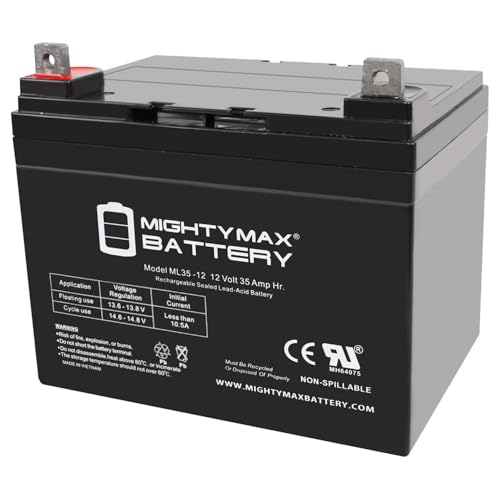
This is a 12V 35Ah Sealed Lead Acid (SLA) battery, listed with a compact footprint and maintenance-free operation. It is UL certified and suitable for trolling motor setups that benefit from a robust, readily available lead-acid option. Best for riders on a budget who still need reliable discharge performance. Limitation: heavier than LiFePO4 counterparts and may require more frequent recharging in deep-discharge scenarios.
Who this is best for: kayakers who prioritize cost-effectiveness and availability, and who are comfortable with the weight of a traditional SLA battery.
Renogy 12V 20Ah LiFePO4 Battery
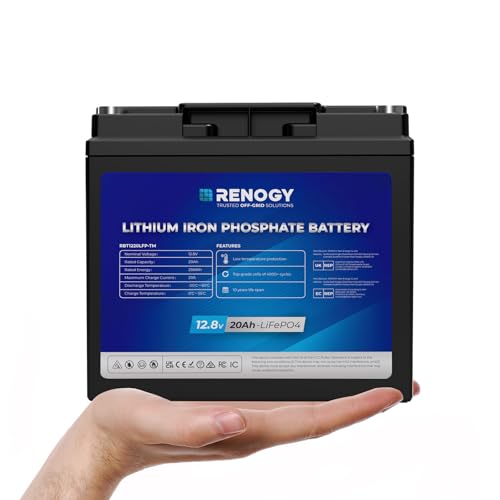
A 12V 20Ah LiFePO4 option with built-in 20A BMS protection and low-temperature cut-off. It is half the weight of lead-acid replacements for similar capacity and offers longer runtime for devices like fish finders and radios. Best for kayak setups seeking a lighter, safe, and compact battery with modern BMS protections. Limitation: smaller capacity may require more frequent recharges for longer trips.
Who this is best for: anglers and explorers who want a lighter, safer LiFePO4 pack with reliable protections and a straightforward mounting profile.
Newport Newport 12V50Ah Deep Cycle AGM

Sealed AGM lead-acid battery with 50Ah capacity, designed for trolling motor use and marine environments. The 32 lb weight and sealed construction make it a capable long-run option for kayaks. Best for users who require robust endurance and straightforward maintenance-free operation. Caution: heavier footprint than LiFePO4 options, which may affect mounting in very small kayaks.
Who this is best for: kayakers who need a dependable, heavier-duty power source compatible with trolling motors and who prioritize a leak-proof, sealed design.
Newport Trolling Motor Smart Battery Box Power Center
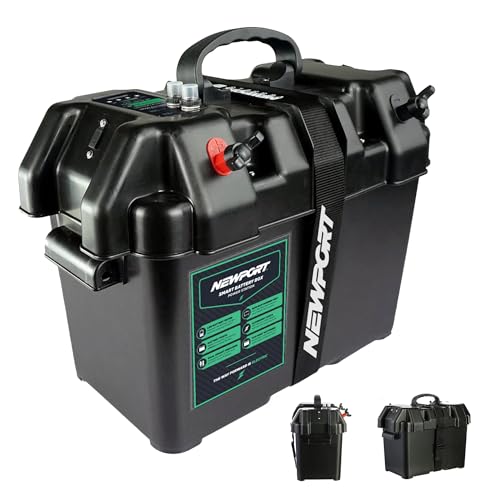
This is a power hub rather than a single battery. It provides clean external connections, built-in USB and 12V ports, and centralized organization for trolling motor power alongside electronics. Best for kayaks where a tidy setup is desired and where quick access to power outlets is beneficial. Limitation: relies on an external battery pack and may require additional wiring or mounting considerations.
Who this is best for: kayakers who want a neat, all-in-one power solution to manage their trolling motor and electronics without clutter.
DC HOUSE 12V 12Ah LiFePO4 Battery

Compact 12V 12Ah LiFePO4 with 15A BMS and a stated 10-year lifespan with 10,000+ cycles. It is designed for marine, kayak, and power-fan accessory use. Best for ultra-portable kayak setups or as a supplementary battery. Caution: charger compatibility is essential; use lithium-specific charging equipment to avoid BMS triggering or damage.
Who this is best for: paddlers needing a minimal, lightweight energy source for basic electronics or light trolling motor duty, with emphasis on longevity and compact form factor.
Buying Guide
What battery type should you choose for a kayak trolling motor?
- LiFePO4 vs. Lead-Acid: LiFePO4 offers longer cycle life, lighter weight, and better safety. Lead-acid options like AGM can be cheaper upfront but weigh more and require maintenance.
- Capacity needs: estimate runtime by motor draw and planned trip length. For longer journeys, prioritize higher Ah values or consider multiple batteries wired in parallel.
- Weight and size: smaller kayaks benefit from LiFePO4 packs in the 12–20Ah range; larger setups can tolerate bigger batteries but check mounting space and balance.
- Battery management and safety: built-in BMS is important for LiFePO4 to protect against overcharge, over-discharge, and temperature extremes.
- Charger compatibility: use chargers designed for lithium chemistries when selecting LiFePO4 cells; lead-acid chargers can damage LiFePO4 batteries.
How to compare batteries for kayak use?
- Weight-to-capacity ratio: LiFePO4 typically provides similar or better capacity with far less weight than lead-acid.
- Cycle life: higher cycle counts translate to longer life and lower long-term cost.
- Durability: look for waterproof or IP-rated housing if exposure to spray is common; sealed units reduce maintenance.
- Integration: consider whether you want a standalone battery or a power center with USB/12V ports for electronics.
Practical considerations
- Plan for safe mounting and balance on your kayak to avoid tipping or shifting during paddling.
- Store spare battery packs in a dry, cool location when not in use.
- Regularly inspect terminals and connectors for corrosion and wear.
FAQ
- What capacity is best for a kayak trolling motor?
Answer: It depends on motor draw and trip length; many kayaks do well with 12–20Ah LiFePO4 packs, or 35Ah SLA options for budget-minded users. - Are LiFePO4 batteries safe on boats?
Answer: Yes, LiFePO4 cells are known for stability, low self-discharge, and a safer chemistry when properly charged and vented. - Can I mix battery types in the same setup?
Answer: Generally not recommended; mismatch can cause imbalanced charging and reduced lifespan. Use matched packs or consult a professional. - Do I need a dedicated trolling motor battery box?
Answer: Not always, but a power center can simplify wiring and provide convenient USB/12V ports for accessories. - How do I charge LiFePO4 on the water?
Answer: Use a lithium-specific charger and avoid lead-acid chargers, which can damage the battery’s BMS and cells.