Best Small Electric Motors for Kayaks and Tiny Boats in 2026
Answering the buyer’s query directly: these compact electric motors are ideal for lightweight kayaks, canoes, inflatables, and small boats where portability and efficiency matter. The top picks here balance thrust, weight, corrosion resistance, and ease of use. This guide is best for paddlers seeking better propulsion without a large outboard, including casual anglers, day-trippers, and riders who value quiet operation and battery efficiency. A quick summary table follows to compare core specs at a glance.
| Product | Thrust / Power | Shaft Length | Best For |
|---|---|---|---|
| Newport NV-Series 36lb | 36 lb thrust, 12V/24V | 30″ | Lightweight kayaks, small boats |
| Minn Kota Endura C2 | 30 lb thrust | 30″ | Freshwater use, easy control |
| ApisQueen U2 Underwater Thruster | 7.5 lb thrust (unit) | — | Compact, underwater rover-style setups |
| Newport NK300 | 1300W (3HP equiv) | — | Kayak-specific, long run time |
| CuttleJet Mini V2 | Up to 4 mph | — | SUP, kayak fins, lightweight propulsion |
Newport NV-Series 36lb Thrust Trolling Motor

The Newport NV-Series provides 36 lb of thrust with 12V and 24V options, making it a lightweight power choice for kayaks, canoes, inflatables, and small boats. It features corrosion-resistant construction suitable for saltwater use and a two-blade propeller that emphasizes battery efficiency and steady control. Best for anglers or casual paddlers who want quiet, reliable performance without a heavy motor. Caution: for deeper, heavier boats or high-speed needs, consider higher thrust models.
Minn Kota Endura C2 Transom-Mount—30 Lb
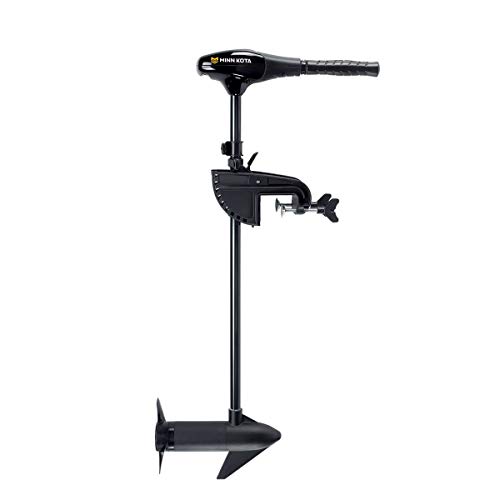
The Minn Kota Endura C2 offers a 30 lb thrust with a 30-inch shaft and freshwater optimization. Its telescoping tiller provides ergonomic one-handed control, while the push-to-test battery meter helps monitor power. A reinforced composite build resists flexing and UV damage, suitable for light-to-midweight vessels. Choose this if you want easy setup and dependable freshwater performance. Limitation: not specifically designed for extended saltwater exposure unless you select a saltwater-rated version.
ApisQueen 12-16V Underwater Thruster U2 Set
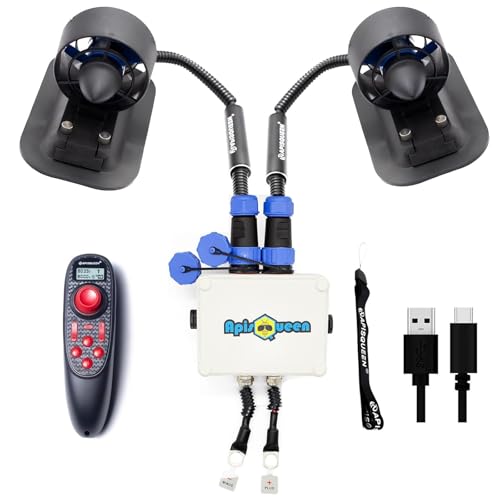
The U2 underwater thruster set supports up to 16V and can push roughly 220.5 pounds of buoyant load in calm water, enabling forward, backward, left, and right turns. It uses a brushless motor and corrosion-resistant construction suitable for mixed water environments. Best for compact, gadget-friendly setups like small boats or ROV-like arrangements. Caution: does not include batteries; additional power source required.
Newport Kayak Series 36lb Transom Electric Motor (24″ Shaft)
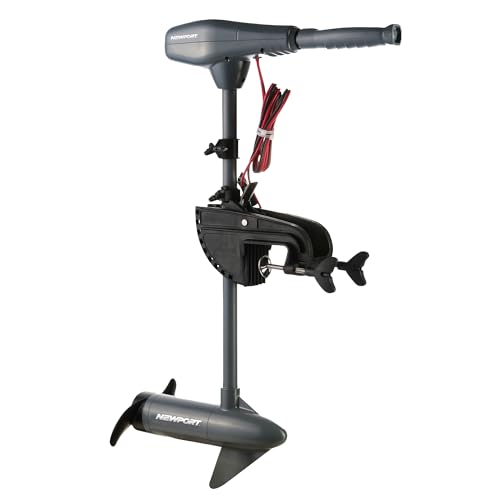
This Newport Kayak Series motor features a 24-inch fiberglass shaft for variable depth placement and eight-speed control (five forward, three reverse). The all-aluminum motor head includes corrosion-resistant hardware for saltwater use. Best for kayakers seeking precise depth placement and reliable performance in marine conditions. Caution: ensure shaft length matches vessel height to avoid trimming issues.
45lb Thrust Saltwater Transom Motor

With 45 lb thrust and five forward plus two reverse gears, this motor is designed for saltwater use on kayaks, canoes, and inflatables. It emphasizes durability with a pure copper motor and robust construction for harsh conditions. Best for paddlers needing extra power in larger small boats. Limitation: heavier than lighter models; may reduce battery life on long trips in calm conditions.
Newport NK300 Electric Kayak Motor

The NK300 delivers 3HP-equivalent power (1300W) with a compact 25.5 lb body, designed specifically for kayaks. It offers up to 66 miles of range and up to 30 hours of run time on a suitable battery setup, highlighting efficiency and extended trips. Best for anglers and explorers who need long-range capability without sacrificing kayak handling. Caution: requires a compatible 36V battery system and proper mounting for safe use.
Buying Guide: Key Purchase Considerations
- Intended Vessel: Choose a motor that matches your kayak or small boat’s weight, hull shape, and mounting configuration. Transom-mounted units are common for kayaks, while specialized kayak motors optimize weight and shaft length.
- Power Versus Weight: Higher thrust improves acceleration and speed but increases weight and battery draw. Balance with battery capacity for your typical trip length.
- Battery System: Confirm voltage compatibility (12V, 24V, or 36V) and availability of batteries. Battery life, weight, and cost impact overall performance and usability.
- Water Environment: Saltwater-rated motors resist corrosion better; freshwater units may suffice for ponds and rivers. Consider aluminum hardware and magnesium/zinc coatings for durability.
- Control Features: Tiller versus wireless remote, adjustable speed levels, and battery meters influence ease of use on long or technical paddling days.
- Shaft Length: Shaft height affects clearance and propeller depth. For standing decks or taller bow heights, a longer shaft prevents prop strikes and improves propulsion efficiency.
- Propeller Design: A two-blade prop is often lighter and efficiency-focused; higher-bite rotors handle vegetation better, though may draw more power.
- Maintenance and Accessories: Look for corrosion-resistant hardware and easily available replacement parts. Check if the kit includes mounting hardware and basic pins or screws.
Frequently Asked Questions
- Q: What is the best motor for a light kayak setup?
- A: A 30–36 lb thrust transom motor with a short to medium shaft is typically ideal for light kayaks, offering efficient propulsion without excessive weight.
- Q: Do I need a saltwater-rated motor for freshwater use?
- A: Saltwater-rated motors resist corrosion better and are usually overbuilt for salt conditions; they can be used in freshwater but may be more expensive.
- Q: How long will a battery last with a 30 lb motor?
- A: Run time depends on battery capacity, speed setting, and water conditions. Higher thrust and speed drain batteries faster, while lower speeds extend run time.
- Q: Is a longer shaft always better?
- A: Not always. A shaft that’s too long can hinder mounting and balance; a properly matched shaft improves efficiency and prevents prop strikes.
- Q: Should I choose a wheel-based prop or standard prop for vegetation?
- A: High-thrust propellers designed for vegetation tend to push through weedier water more effectively, but may consume more power.