Best Small Cheap Motor Boats: Affordable Outboard and Trolling Motors for Budget Boats
If you’re outfitting a small boat and want reliable propulsion without breaking the bank, these affordable outboard and trolling motors fit the bill. They’re best for compact boats, inflatable dinghies, kayaks, and light jon boats where easy handling, fuel efficiency, and simple installation matter. The top options below cover gas-powered and electric models to suit freshwater and saltwater use, with practical notes on who each product is ideal for.
| Product | Best For | Power / Thrust | Sh shaft | Notes |
|---|---|---|---|---|
| YIYIBYUS 2.3HP Outboard | Small boats needing quick start and light weight | 2.3HP (1.7kW) | 70 cm | 52cc 2-stroke, non-contact ignition |
| Minn Kota Endura C2 – 30 Lb | Budget trolling for calm waters | 30 lb thrust | 30 in | Telescoping tiller, durable |
| Newport NV-Series 36lb | Quiet electric trolling for small craft | 36 lb thrust | 30 in | Saltwater capable, LED battery indicator |
| Minn Kota Endura C2 – 40 Lb | Medium-light boats with more thrust | 40 lb thrust | 36 in | Solid durability, reliable control |
| Newport NV-Series 55lb | Powerful electric trolling for bigger setups | 55 lb thrust | 30 in | LED meter, adjustable mount |
Notes: This table highlights the core distinctions of each model to help you compare propulsion type, thrust, and shaft length at a glance. Use this as a quick reference while reading the product sections that follow.
YIYIBYUS 2.3HP Outboard Motor

Best for compact boats needing reliable gas power without expensive equipment. This 2-stroke motor offers a 1.7 kW output and a wide operating speed range (4500–8500 rpm) for quick planing or steady cruising. The 52cc displacement and 850 ml fuel tank suit short day trips on dinghies or inflatable boats. The unit is made from corrosion-resistant aluminum and PP for durability in marine environments. While it provides solid thrust for small craft, its 2-stroke design requires proper fuel mix at 25:1 and regular maintenance to keep ignition efficient.
Who it’s best for: anglers on small boats who want responsive, beginner-friendly outboard power without installing heavier engines. Why chosen: balance of light weight, compact footprint, and simple operation make it a practical starter motor for budget setups.
Caution: 2-stroke engines require mixed fuel and frequent oil maintenance; improper mixing can damage the motor. Consider carrying extra fuel and oil along on longer trips.
Minn Kota Endura C2 Transom-Mount – 30 Lb
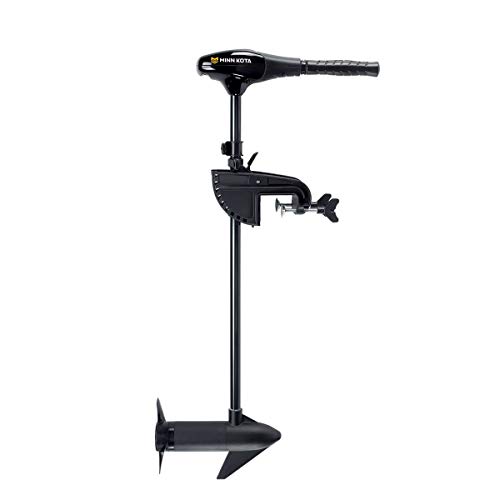
This model is a solid entry point for lighter freshwater boats requiring quiet, dependable trolling. It features a 30 lb thrust, 30-inch shaft, and a 6-inch telescoping tiller for ergonomic control. The reinforced composite housing resists UV damage and flexing, ensuring durability on regular fishing trips. The Power Prop for vegetation helps maintain maneuverability in weedy zones. Best for: budget-conscious anglers who need easy installation and reliable all-day trolling. Limitation: lower thrust may limit performance in windy conditions or heavier boats.
Newport NV-Series 36lb Trolling Motor

Designed for small craft that require efficient, compact propulsion. This model delivers 36 lb of thrust with a 30-inch shaft and saltwater capability, making it versatile for mixed conditions. The motor includes a LED battery indicator to help monitor power levels during trips and a corrosion-resistant build for longevity. Best for: kayak, canoe, or small inflatable applications where quiet electric propulsion is valued. Caution: performance depends on boat weight, water conditions, and battery capacity; plan for battery management on longer trips.
Minn Kota Endura C2 – 40 Lb
This 40 lb thrust model provides a balance between power and manageability for small boats that need more capable propulsion. The 36-inch shaft and durable composite construction help resist warping and UV damage, while the trolling motor’s design supports easy angle adjustment with a simple lever lock. Best for: mid-sized small boats and anglers who want more thrust without moving to a larger transom motor. Limitation: higher cost than the 30 lb option; consider your boat’s draft and battery capacity accordingly.
Newport NV-Series 55lb – Saltwater
The 55 lb thrust model provides strong all-around performance for bigger light boats in saltwater and mixed environments. It includes a 30-inch shaft, a 5-LED battery meter, and a 6-inch telescoping tiller handle for precise control. The 3-blade propeller delivers solid low-end torque to move through tougher currents. Best for: boats that require dependable power on larger small craft or when heavier loads are expected. Caution: higher power draw means more frequent battery checks on extended trips.
Buying Guide: Key Purchase Considerations
What boat size and weight should guide your choice?
Smaller boats generally do well with 30–40 lb thrust electric motors or 2.3 HP gas outboards. If your boat is heavier or you operate in windy or choppy conditions, opt for higher thrust models like 55 lb or 40 lb units. Shaft length matters for transom clearance and prop depth; taller shafts help keep prop in clean water on deeper setups.
Gas vs. electric: which is better for you?
Gas outboards deliver instant power and independence from batteries, ideal for occasional use and higher-throttle needs. Electric trolling motors excel in quiet operation, energy efficiency, and ease of maintenance for calm waters. For saltwater use, ensure components are corrosion-resistant and rated for marine exposure.
Maintenance and longevity considerations
Gas engines require periodic fuel mixing, oil checks, and spark maintenance. Electric motors need battery care, charger compatibility, and prop maintenance. Durable housings and corrosion resistance extend life in saltwater environments. Always inspect wiring and mounting hardware before trips.
Installation and compatibility tips
Check transom height compatibility with your boat’s stern and ensure the mounting hardware aligns with your boat’s weight distribution. A tiller or quick-release mounting can improve ease of use for casual fishing trips. Consider propeller type and vegetation clearance when selecting a trolling motor.
Budget and value considerations
Lower-cost options often prioritize essential features but may offer fewer bells and whistles. If you expect frequent use or tough conditions, investing a bit more in a higher-thrust model with robust construction can pay off through reliability and reduced maintenance.
FAQ
-
What is the difference between a gas outboard and a trolling motor?
Gas outboards provide higher power for planing and speeds on larger small boats, while trolling motors offer precise, quiet propulsion for fishing and maneuvering in tight spaces.
-
How do I choose shaft length?
Match shaft length to your boat’s transom height to keep the prop in clean water and avoid cavitation. A deeper shaft helps on higher freeboard boats.
-
Is higher thrust always better?
Not necessarily. Higher thrust increases speed and battery draw. Choose thrust based on boat weight, water conditions, and cruising needs.
-
What maintenance is required for a gas outboard?
Regular fuel mixing, oil checks, spark plug inspection, and fuel system maintenance to prevent carburetor issues and fouling.
-
Can I use the same battery for all electric motors?
Most trolling motors require marine-rated deep-cycle batteries. Check the motor’s voltage and amperage requirements and ensure battery compatibility.
-
Are these motors suitable for saltwater?
Some models are labeled saltwater capable, but verify corrosion resistance and components rated for salt exposure before use in brackish or sea conditions.