Best Short Shaft Trolling Motors for Canoes: Top Picks for Easy Maneuvering
Answer: If you own a canoe and want reliable, compact electric propulsion, a short shaft trolling motor with a transom mount is the best fit. These models provide enough thrust for calm waters without creating excessive draft or weight. The top options below are suited for casual fishing trips, lightweight canoes, and small boats where distance, depth, and maneuverability matter most. Each pick is highlighted for who it’s best for and why, with practical cautions to consider before buying.
| Product | Best For | Why It Stands Out |
|---|---|---|
| Minn Kota Endura C2 30 Lb, 30″ Shaft | Casual anglers in freshwater | Balanced power, compact shaft, and durable construction |
| Newport Kayak Series 36lb, 24″ Shaft | Kayaks and canoes in salt or freshwater | Fiberglass shaft with corrosion-resistant components |
| Newport NV-Series 36lb, 24″ Shaft | Budget-conscious paddlers | Efficient propulsion with reliable 8-speed control |
| Newport NV-Series 55lb, 30″ Shaft | Heavier loads or windy conditions | Higher thrust with longer shaft for deeper water |
| 40LBS Thrust LTIGOAW (12V, Short-Shaft) | Entry-level buyers seeking affordability | Copper motor design for efficient performance |
Minn Kota Endura C2 Transom-Mount 30 Lb, 30″ Shaft
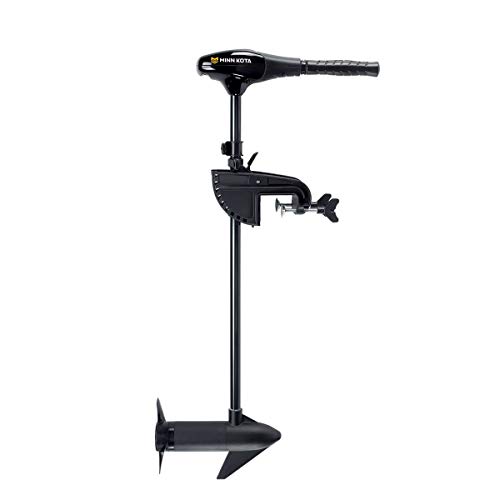
This model offers 30 pounds of thrust with a 30-inch shaft, designed for freshwater use. Key features include a 6-inch telescoping tiller for comfortable steering and a push-to-test battery meter—helpful on longer trips. The 10-position lever lock bracket enables quick angle adjustments. Best for anglers who need reliable, all-day control on quiet lakes or rivers. Caution: heavier vegetation can require the Power Prop upgrade, and installation requires standard mounting hardware.
Newport Kayak Series 36lb 24″ Shaft
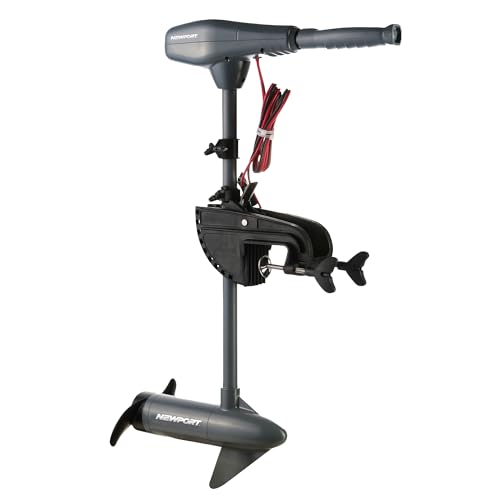
Best for: kayaks and canoes needing durable marine-grade components. Features include a 24-inch fiberglass shaft for variable depth, eight-speed control (5 forward, 3 reverse), and a 6-inch telescoping handle for precise steering. The motor head uses aluminum with corrosion-resistant hardware suitable for saltwater and freshwater. Caution: heavier wind or long runs may tax the battery—plan for a larger capacity if you fish all day.
Newport NV-Series 55lb 24″ Shaft
Best for: canoes and small boats that require more thrust without a long shaft. This model provides 55 pounds of thrust with a 24-inch shaft, eight speeds (5 forward, 3 reverse), and saltwater-ready hardware. It includes LED battery indicator, a 6-inch tiller, and a three-blade propeller for solid low-end torque. Caution: the higher thrust can demand more battery capacity and weight on tiny canoes.
Newport NV-Series 36lb, 12V Transom Motor

Best for: lighter setups where battery efficiency matters. Features include a 24-inch shaft, LED battery indicator, five forward and three reverse speeds, and a corrosion-resistant aluminum motor head. The 3-blade propeller provides strong torque at low end, which is useful for calm water maneuvering. Caution: performance may drop in strong chop or gusty conditions.
Minn Kota Endura C2 50 Lb, 36″ Shaft
Best for: paddlers needing extra power on larger or windier days. This version uses a 50-pound thrust with a 36-inch shaft, featuring the same telescoping tiller and lever lock as the smaller model. It is well-suited for canoes that frequently encounter wind or current. Caution: higher thrust means greater drain on the battery; plan accordingly for longer trips.
Buying Guide: Key Considerations For Short Shaft Canoe Trollers
- Shaft length vs. boat draft: For canoes, a shorter shaft (20–30 inches) helps prevent prop depth issues and keeps the prop out of shallow water. Consider a 24-inch to 30-inch shaft for typical canoes.
- Thrust and weight: Lighter canoes do well with 30–36 lb thrust; larger canoes or windy conditions may benefit from 36–55 lb options. Balance thrust with battery capacity for all-day use.
- Installation flexibility: Look for a transom-mount with adjustable tilt and a telescoping tiller for comfortable steering on long trips.
- Corrosion resistance: If you paddle in saltwater or brackish areas, choose a motor with aluminum, magnesium, and stainless components designed for corrosion resistance.
- Battery indicators: A built-in battery meter helps monitor run time and charging needs during trips.
- Propeller design: A three- or two-blade propeller affects torque and efficiency. Two-blade designs are common for lighter loads; three-blade props offer better bite in vegetation.
- Maintenance and durability: Durable composite or reinforced housings resist UV damage and flexing through seasons.
Frequently Asked Questions
- What shaft length is best for a canoe? Generally, a 24–30 inch shaft is ideal to prevent grounding and maintain clearance in most canoes.
- Is higher thrust necessary for canoes? Not always. Most gentle waters benefit from 30–36 lb thrust; windy or larger canoes may benefit from 36–55 lb.
- Can I use a freshwater trolling motor in saltwater? Some models are built for both; check corrosion-resistant hardware and specific product guidance before using in saltwater.
- Do these motors require special batteries? Most use standard 12V lead-acid or deep-cycle marine batteries, though some newer models are compatible with lithium options. Check the product specs for compatibility.
- What maintenance is required? Regularly inspect prop, mounting hardware, and battery connections; rinse with fresh water after saltwater use and store dry.
- How should I choose between 30 lb and 55 lb thrust? Choose based on boat weight, wind, current, and planned duration of use. Higher thrust helps in stronger conditions but draws more battery power.