Best Shallow Water Anchor Poles for Boats and Kayaks
Answering your search: the best shallow water anchor poles combine strong materials, proven penetration tips, and reliable joints for easy handling in varied bottom conditions. This guide highlights five top options ideal for small to mid-sized boats and kayaks. Best fits include anglers, paddleboarders, and boaters who anchor in bays, beaches, or sandbars. Each pick is evaluated for depth, durability, and ease of storage to help you choose confidently.
| Product | Length | Material | Best For | Notes |
|---|---|---|---|---|
| SuperStick Shallow Water Anchor Pin (3/4″ x 8′) | 8 ft | Stainless steel tip; steel shaft | Smaller boats and kayaks | Durable spike tip reduces wear |
| itayak 8.63′ Shallow Water Anchor Pole | 8.63 ft | PA66-GF with carbon fiber joints | Medium boats, saltwater | Two-piece design; protective gloves recommended |
| Pelican Anchor and Push Pole (8 ft) | 8 ft | Fiberglass shaft; aluminum components | Beaches and shallow bays | Ergonomic handle; rubber ring |
| sailpref 8.63′ Shallow Water Anchor Pole | 8.63 ft | Fiberglass PA66 with carbon fiber joints | Sand and clay bottoms; saltwater | 316 stainless tip; T-Grip |
| Island Anchor (1″ x 8′) | 8 ft | Aircraft-grade fiberglass | Large boats, harsh conditions | Turbo-Tip; thru-bolted construction |
SuperStick Shallow Water Anchor Pin 3/4″ x 8′ (Black)
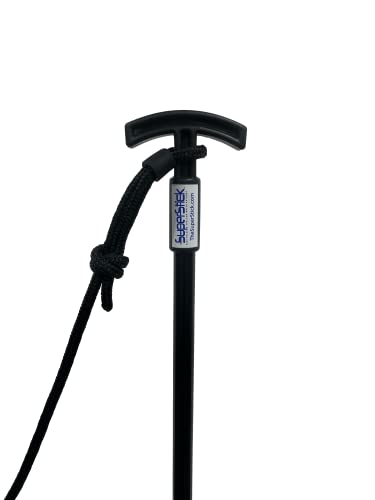
The anchor features a stainless steel ultra-durable spike tip designed to prevent tip wear and splintering, enabling easier anchoring in shallow water. Best for smaller boats or kayaks where a compact, simple spike is sufficient. Avoid if you need a two-piece design for frequent disassembly in tight storage spaces.
itayak 8.63′ Shallow Water Anchor Pole

Itayak offers a long, two-piece design with a 0.787 inch (20 mm) shaft and PA66-GF body, providing strong penetration and corrosion resistance. The two-piece screw-lock design minimizes detachment risk compared with traditional joints. Best for medium boats or kayaks in variable water depths. CAUTION: Cutting or damaging the pole may release glass fibers; wear protective gloves during handling.
Pelican Anchor and Push Pole – Shallow Water Anchor Pin
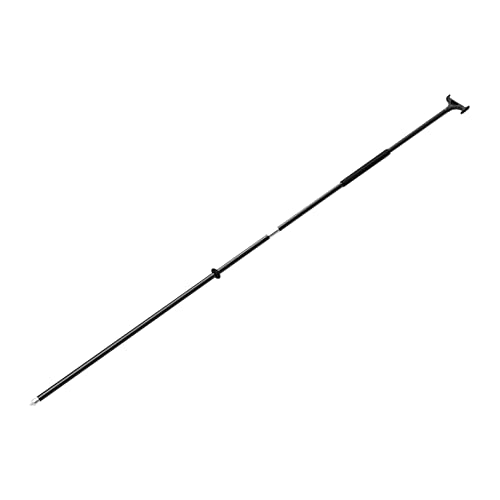
Pelican combines an ergonomic foam-lined handle with an integrated hook for easy gripping and use as a push pole. The two-piece fiberglass shaft includes a rubber ring to prevent rope slippage. Best for casual beach and shallow bay use. Choose this if you prioritize a comfortable grip and simple push/pull operation.
sailpref 8.63′ Shallow Water Anchor Pole

This pole uses fiberglass reinforced PA66 with carbon fiber joints for corrosion resistance and light weight. The 316 stainless steel tip and joints resist rust in saltwater. Best for sandy or clay bottoms. The T-Grip handle is nylon-based for a comfortable grip, reducing fatigue during extended anchoring sessions. Not ideal if you require frequent on-water disassembly without tools.
Island Anchor 1″ x 8′ – Shallow Water Anchor Pole

The strongest option in this list, Island Anchor uses heavy-duty aircraft-grade fiberglass and a Turbo-Tip with a grooved helix for easy penetration into hard packed sand or clay. The rugged T-handle and thru-bolted construction support larger boats in harsher conditions. Best for boats exposed to tougher environments; consider this if you often anchor in firm bottoms. Limitation: heavier and longer setup than smaller poles.
Buying Guide
What to Look For When Choosing a Shallow Water Anchor Pole
Key factors include length, material, tip design, and joint/connectors. Longer poles offer deeper penetration, but require more storage space. Materials like fiberglass and PA66-GF balance strength and weight. Stainless steel tips resist corrosion in saltwater, while carbon fiber joints improve joint strength without adding bulk.
Material and Durability
Fiberglass shafts are common for their balance of stiffness and flexibility. PA66-GF bodies with carbon fiber joints provide high strength-to-weight ratios and corrosion resistance. Stainless steel tips resist rust; ensure the tip design supports easy penetration into target bottoms, such as sand or clay.
Two-Piece vs. One-Piece Design
Two-piece poles offer easier storage and transport, especially for smaller boats and kayaks. They reduce the chance of detachment in rough conditions. One-piece poles are simpler and can be sturdier but take more storage space.
Bottom Type and Depth
Consider where you anchor most often. Sands and clays require sharp tips and robust shafts, while rocky bottoms demand durable tips and thicker shafts. Depth recommendations in product notes help you gauge usable water range.
Handling and Safety
Ergonomic handles reduce fatigue. Protective gloves are advised when handling fiberglass components to prevent contact with sharp fibers if damaged. Check joint security to prevent accidental detachment during anchoring motion.
Storage and Transport
Two-piece designs that screw together store compactly in lockers or lower compartments. If you transport in a vehicle with limited space, a lighter two-piece option may be preferable.
FAQ
- What length is best for shallow waters? In typical shallow waters, 8 to 8.63 feet provides sufficient depth for penetration while remaining easy to store. Longer poles may offer more reach but require more storage space.
- Are fiberglass poles better than aluminum? Fiberglass offers good strength-to-weight and corrosion resistance, while aluminum can be lighter. For saltwater use, fiberglass with stainless tips is common.
- Do two-piece anchors detach easily? A screw-lock or secure join reduces detachment risk compared with traditional joints. Always ensure the connection is tight before use.
- Should I wear gloves when handling these poles? Yes, protective gloves are recommended, especially with fiberglass components or when cutting or assembling parts.
- Is a stainless steel tip necessary? Stainless steel tips resist rust in saltwater environments and improve long-term durability in sandy or clay bottoms.
- Can I use these poles for a large boat? Some models are designed for larger boats with tougher conditions (e.g., Island Anchor). For very large vessels, verify product specifications and load considerations.