Best Safety Flares for Boats: Essential Distress Signals for Every Boater
When selecting marine distress signals, choose reliable, Coast Guard–approved options that are easy to deploy and visible in all conditions. This guide highlights five top electronic and traditional flare choices, helping boaters pick signals that match their cruising style, crew size, and typical visibility needs. Best for small-day boats, coastal travelers, or rental fleets, these options balance brightness, portability, and compliance with USCG rules.
Buyer-friendly summary table of the featured products:
| Product | Best For | Key Benefit |
|---|---|---|
| SIRIUS SIGNAL C-1003 SOS LED Distress Signal | Families and casual boaters | USCG approved, long-lasting, very bright |
| TEKTITE SOSeFLARE 5 | Professional and frequent users | Electronic replacement with long battery life |
| ACR ResQFlare | Compact kits for small vessels | 360° visibility, durable, built-in flag |
| Caikieme 3 PCS Boat Flares | Budget packs and multi-scenario use | Three signals for varied needs |
| Orion Safety 584 ALERTER | Traditional flare users | USCG-approved aerial flares, reliable launcher |
SIRIUS SIGNAL C-1003 SOS LED Distress Signal
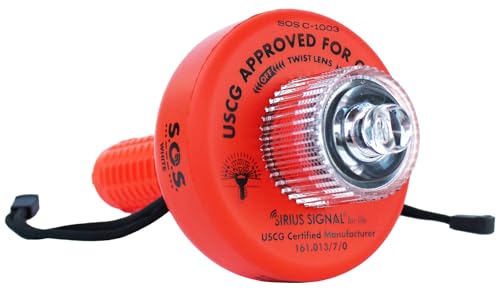
The Sirius C-1003 is a comprehensive electronic distress signal kit designed to replace traditional pyrotechnic flares. It is USCG approved for night, day, and audible distress signaling and comes with a daytime flag and whistle. It is best for boaters who want a reusable, simple-to-use device with guaranteed visibility. The device flashes a US Coast Guard SOS signal for up to 60 hours, significantly exceeding basic regulatory requirements, and the included batteries simplify field preparedness. This choice suits families, new boaters, and anyone seeking a durable, long-lasting electronic distress signal. Caution: Ensure the kit is recharged or batteries are checked before long trips to avoid powering failures during an emergency.
TEKTITE SOSeFLARE 5
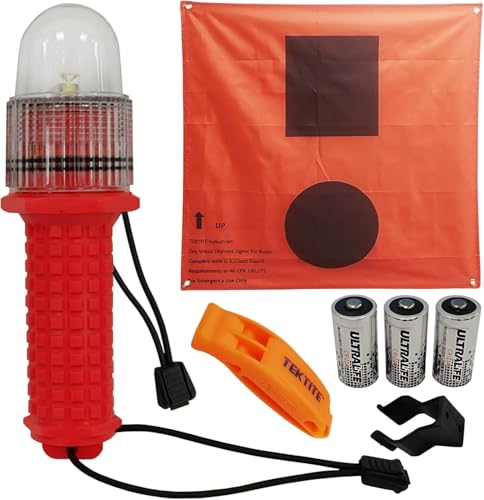
The TEKTITE SOSeFLARE 5 is an electronic distress signal kit that serves as a legal, Coast Guard–compliant replacement for traditional flares. It emits an S-O-S Morse signal and provides audible signaling with an included flag for daytime visibility. It operates on CR123 lithium batteries with a claimed 30+ hours of use and is designed to float upright if dropped overboard. This option is better for frequent voyagers, crews on larger boats, and anyone needing a reliable, maintenance-light solution. Limitation: Battery life is good but requires periodic replacement to maintain peak performance.
ACR ResQFlare Electronic Distress E-Flare
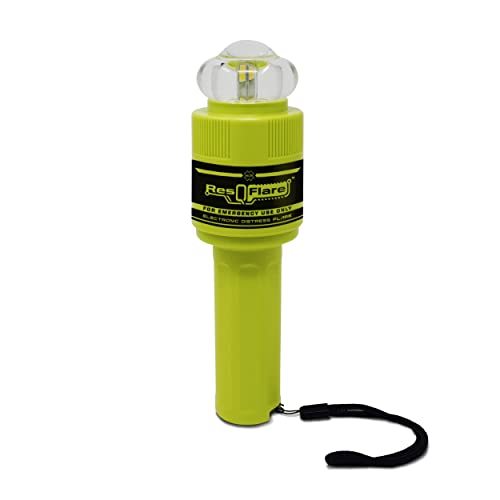
The ACR ResQFlare combines an electronic distress signal with an included distress flag, providing a robust daytime and nighttime signaling package. It is USCG 161.013 certified as a Nighttime Visual Distress Signal and floats automatically, reducing the risk of sinking. Best for small vessels, kayaks, and dinghies where compact, reliable signaling is essential. Caution: Like other electronic signals, it requires battery maintenance and periodic testing to ensure readiness.
Caikieme 3 PCS Boat Flares

This set provides three electronic marine signal flares for versatile use on fishing boats, buoys, or life rafts. The 2026 upgrade claims stronger signals and improved reliability, making it a practical budget option. It is Coast Guard certified as a nighttime visual distress signal, which helps meet regulatory expectations on mid-to-small craft. Best for short trips or as a supplementary set to an electronic kit. Limitation: As a multi-signal pack, the individual signal performance may vary slightly between units.
Orion Safety 584 ALERTER

The Orion Safety 584 ALERTER combines a corrosion-resistant 12-gauge safety launcher with four red aerial flares and a bandolier holding six signals. It is designed for harsh marine conditions and includes a hammer safety lock for quick, safe operation. It is best for boaters who already rely on traditional pyrotechnic flares and want a trusted, USCG-approved signaling system. Caution: Requires familiarity with 12-gauge launching techniques and proper storage for safety compliance.
Buying Guide: How To Choose The Right Boat Flares
- What signaling environment do you encounter most? For open-water, long-range visibility matters; for sheltered waters, a compact electronic system can be enough.
- Do you prefer reusable electronic signals or single-use pyrotechnic flares? Electronic signals reduce waste and reusability but require battery maintenance.
- Is Coast Guard approval essential for your operations? USCG certifications ensure compliance and recognition in emergencies.
- How important is daytime visibility? Distress flags or daytime signals improve visibility in bright conditions.
- What is your vessel size and crew experience? Larger crews may benefit from kits with multiple signals; beginner operators should choose simpler, all-in-one kits.
- What storage and maintenance constraints exist on your boat? Consider waterproofing, buoyancy, floatation behavior, and battery replacement needs.
FAQ
Are electronic distress signals legal substitutes for pyrotechnic flares?
Yes, in many cases they are approved as a safe replacement if they meet USCG requirements and are USCG certified.
How long do electronic distress signals last on a single set of batteries?
Most models advertise tens of hours of operation; actual life depends on usage and battery type.
What is the best option for a small boat?
An all-in-one electronic kit or a compact set with a backup flag is often ideal for limited storage space.
Do distress signals float or stay upright?
Some units are designed to float upright automatically; others may require specific mounting or buoyant behavior.
Should I carry both day and night signals?
Yes, carrying both ensures visibility in varied conditions and aligns with international safety practices.
How should I store flares on a boat?
Store in a dry, accessible location and check expiry or battery life regularly. Follow manufacturer guidelines for safe storage.