Best SAE 30 Synthetic Marine Engine Oil for Your Boat’s Powertrain
Choosing the right SAE 30 synthetic marine engine oil helps protect expensive marine engines from wear, corrosion, and heat. This guide targets boat owners seeking reliable lubrication for inboard, sterndrive, and 4-stroke marine engines. The top products below are selected for compatibility with gasoline and diesel marine engines, durability in marine conditions, and clear reasons to pick one over another. Ideal buyers include: anglers needing dependable startup protection, sport boat owners chasing steady performance, and commercial operators seeking longer oil life between changes.
Summary of selected products:
| Product | Brand | Viscosity | Best For | Why Chosen |
|---|---|---|---|---|
| Sierra SAE 30 Full Synthetic Marine Engine Oil (5 Quart) | Sierra | SAE 30 | Inboard/sterndrive gas and diesel engines | Longer lubrication life vs mineral oils; API-CF/SL |
| Quicksilver 10W-30 4-Stroke Synthetic Marine Oil (1 Quart) | Quicksilver | 10W-30 | All 4-stroke marine outboards and inboards | Excellent wear protection and viscosity retention |
| Royal Purple 01030 SAE 30 Heavy Duty Synthetic | Royal Purple | SAE 30 | Heavy-duty marine and high-load applications | Better wear protection and potential fuel efficiency |
| TRIAX Power 4-Stroke SAE 30W Full Synthetic | Triax | SAE 30W | Small engines in varying climates | High-zinc formula; all-season performance |
| Valvoline 4-Stroke Marine Full Synthetic Engine Oil (1 Quart) | Valvoline | SAE 30 | 4-stroke marine engines with extreme heat | Strong wear protection; rust defense |
Sierra SAE 30 Full Synthetic Marine Oil (5 Quart)

Best for inboard and sterndrive engines that require a consistent viscosity and long lubrication life. Fits gasoline and diesel marine applications. Features API-CF/SL compatibility and longer lubrication effectiveness than mineral oils. Best for boaters seeking reliable protection with fewer oil changes between uses.
Who it’s best for: Boat owners with inboard/sterndrive setups needing dependable protection and longer oil life. Limitations: If you operate in extremely cold environments, verify viscosity behavior at startup temperatures beyond typical ranges.
Quicksilver 10W-30 4-Stroke Synthetic Marine Oil

Designed for all 4-stroke marine outboards and inboards/sterndrives, this oil emphasizes corrosion and wear protection, shear strength, and viscosity retention. Suitable for engines that endure quick bursts of marine activity and frequent throttle changes.
Who it’s best for: 4-stroke outboard and inboard engines needing strong protective properties and consistent oil performance under marine conditions. Limitations: As a 10W-30, not the exact SAE 30 spec; ensure your engine’s recommended viscosity allows this blend in warmer climates or switching seasons.
Sierra SAE 30 Full Synthetic Marine Engine Oil, Quart
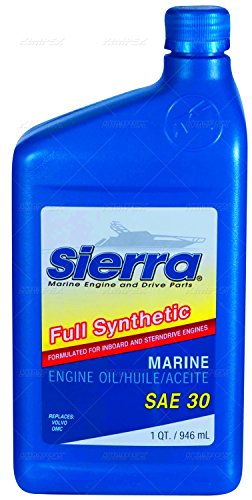
A compact quart option for small capacity engines or top-off scenarios. This Sierra oil is tailored for marine engines with full synthetic formulation, supporting smoother operation and protection for gasoline and diesel marine uses.
Who it’s best for: Cap-off or small-volume maintenance on marine engines. Limitations: The quart size may require more frequent top-offs for larger engines or higher-mileage boats.
Royal Purple 01030 SAE 30 Heavy Duty Synthetic Oil

Royal Purple’s heavy-duty synthetic is engineered for the higher heat and RPM demands common in marine environments. It emphasizes wear protection, potential fuel efficiency improvements, and overall engine longevity under marine stress.
Who it’s best for: Boats operating near high RPM and hot conditions where extra wear protection matters. Limitations: Premium formulation may come at a higher price point than standard synthetics.
TRIAX Power 4-Stroke SAE 30W Full Synthetic
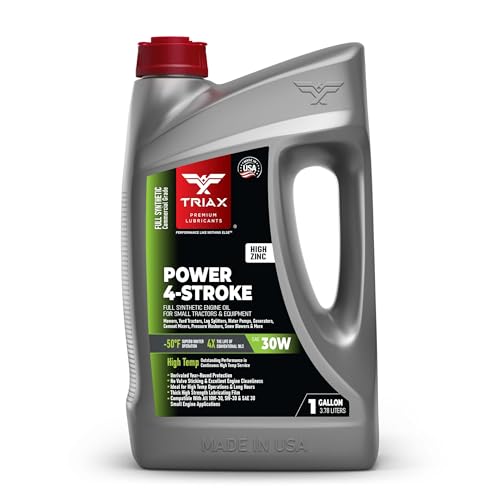
Offers high zinc content for robust wear protection in small engines. The formula supports commercial-grade durability, extreme shear stability, and broad temperature range performance. Suitable for engines subjected to heavy loads and long operating hours.
Who it’s best for: Small engines like lawn mowers or gensets used in marine-adjacent operations where high protection and durability are critical. Limitations: 30W rating should align with your climate and engine manual guidance to avoid overly thick oil in cold starts.
Valvoline 4-Stroke Marine Full Synthetic Engine Oil

Valvoline’s marine full synthetic targets extreme heat and high RPM demands of 4-stroke marine engines. It emphasizes rust defense for both running and stored engines, making it a practical all-season option in saltwater or freshwater environments.
Who it’s best for: Boats in hot climates or high-load use where rust and wear protection are top concerns. Limitations: Availability may vary by region; ensure you can source 1-quart containers as needed.
Buying Guide
What should you consider when choosing SAE 30 synthetic marine oil?
Identify your engine type (inboard, outboard, sterndrive) and whether it’s gasoline or diesel. Marine engines rarely tolerate wrong viscosity, so confirm the manufacturer’s recommendation for a constant SAE 30 or a compatible alternative. Synthetic oils typically offer better wear protection and longer change intervals than mineral oils, but price and availability vary.
How do viscosity and temperature affect performance?
SAE 30 is a light viscosity suitable for mild to moderate temperatures. In colder environments, a 5W- or 10W-30 oil may improve cold-start protection, while very hot climates benefit from oils designed for heat resistance. If your engine operates at extreme RPMs or under heavy loads, consider oils with strong shear stability and robust wear protection.
What about zinc content and wear protection?
Higher zinc additives can improve wear protection for older or high-load engines. Some oils advertise 2X zinc or advanced zinc formulations. If your engine specification endorses zinc-rich oil for performance, these products can offer added protection, particularly in engines with flat tappets or high-load cycles.
Is synthetic always better than mineral for marine use?
In most cases, synthetic oils provide superior wear protection, oxidation resistance, and temperature stability. They can also improve oil life and engine cleanliness. However, price, availability, and your engine’s manual guidance should guide your choice. Some engines may still perform well with premium mineral oils in moderate climates.
What about maintenance and oil changes?
Follow the engine manufacturer’s recommended change intervals. Synthetic oils can extend oil change intervals in some apps, but never exceed the limits specified by the ship’s manual. Regular oil level checks and proper storage are essential to maintain performance and prevent moisture buildup in marine environments.
Common buyer questions
- Q: Can I mix different brands of SAE 30 synthetic marine oil?
- A: Mixing is generally discouraged to avoid unexpected viscosity changes and incompatible additive packages. If necessary, drain and refill with a single compatible oil recommended by your engine manufacturer.
- Q: Is 10W-30 acceptable for a boat that recommends SAE 30?
- A: Depending on climate and engine design, it may be acceptable in warmer conditions, but always verify with the manufacturer’s guidance before using a different viscosity.
- Q: How often should I change marine engine oil?
- A: Follow the engine manual, but synthetic oils often allow longer intervals, especially under low-usage conditions. Regular checks are still important.
- Q: Do marine oils protect against rust and corrosion?
- A: Yes, many marine oils include additives designed to resist rust and corrosion, which is particularly important in saltwater environments.
- Q: Which oil is best for high-load, hot-running engines?
- A: Oils marketed for heavy-duty protection and high-temperature performance, such as those with higher zinc content or advanced wear-protection additives, are typically better suited for high-load engines.
FAQ
- Q: Is SAE 30 the same as 30W for marine engines?
- A: SAE 30 and 30W refer to different viscosity scales. For marine use, always follow the engine’s manufacturer recommendation for the correct viscosity.
- Q: Can I use automotive synthetic oil in a marine engine?
- A: Marine OEMs often specify oils designed for marine environments. Use oils labeled for marine engines to ensure additive packages withstand salt exposure and engine heat.
- Q: Does synthetic oil last longer than mineral oil in boats?
- A: Synthetic oils generally resist oxidation and maintain viscosity better, which can extend drain intervals depending on usage and environmental conditions.
- Q: Are there environmental considerations when disposing of used oil?
- A: Yes. Follow local regulations for disposal and recycling, and use oil recovery services or designated disposal sites.
- Q: Should I choose oil with higher zinc content?
- A: Higher zinc provides wear protection for certain engine designs, particularly older flat-tappet configurations. Check your engine spec before selecting zinc-rich oil.