Best Portable Generators for Boats: Quiet, Reliable Power on Deck
Answering the question “What portable generator is best for boats?” this guide highlights compact, marine-friendly options that balance noise, fuel efficiency, and power. These generators are selected for boaters who need dependable shore power or backup energy without excessive weight or fumes. The top picks are best for weekend sailors, RV-towable boaters, and off-grid anglers who value quiet operation and portability. Below is a quick buyer’s snapshot to help you compare at a glance.
| Product | Best For | Key Benefit |
|---|---|---|
| 2,500W Inverter Generator (AMERISUN Store) | Lightweight setups, short trips | Ultra-quiet operation and long runtime |
| 4,400W Inverter Generator (Oxseryn Store) | RV and home backup on deck | Multiple outputs with long runtime |
| 4,600W Inverter Generator with CO Sensor (A-iPower Store) | Sensitive electronics on board | CO sensor and reliable power |
| 6,800W Dual-Fuel Inverter (WEN Store) | Electric vehicle and boat charging onboard | Dual-fuel flexibility and EV support |
| 1,200W Gas Generator (Aceup Energy Store) | Compact, lightweight backup | EPA & CARB compliant for small loads |
Note: This article focuses on portability, noise levels, fuel efficiency, and compatibility with marine environments. Always verify marine usage recommendations from the manufacturer before installation or use on a boat.
2,500W Inverter Generator: Ultra Quiet and Light

Features a 2,500 peak watts and 1,900 running watts with a low THD under 3%. It weighs 39 pounds for easy transport, ideal for boats needing quick, portable power for essential devices. Runtime can reach up to 5.5 hours at 50% load, supporting daytime or light-night use without frequent refueling.
Best for: Small to mid-size boats needing portable, quiet power for essential electronics. This unit is a strong choice for weekend sailors and fishermen who prioritize light weight and quiet operation.
Limitation: Lower total wattage means it may not run larger onboard appliances simultaneously. Consider pairing with a larger model if you anticipate higher energy demands on longer voyages.
4,400W Inverter Generator: Open Frame, Long Run Time

Offers 4,400 peak watts and 3,400 running watts with multiple outputs including two 120V outlets, a 12V DC port, and an RV outlet. Runs up to 14 hours at 25% load with ECO mode and features a 2-gallon tank with a fuel gauge for easy monitoring. Its open-frame design favors robust outdoor use on decks or marinas.
Best for: Boats requiring dependable mid-range power for weekend trips and camp-style setups, with flexibility to support RV connections on shore power or battery charging via ECO mode.
Caution: Open-frame construction can require careful placement on a moving boat to avoid dust intrusion; ensure proper ventilation and secure mounting if used near living spaces.
4,600W RV-Ready Quiet Inverter, CO Sensor
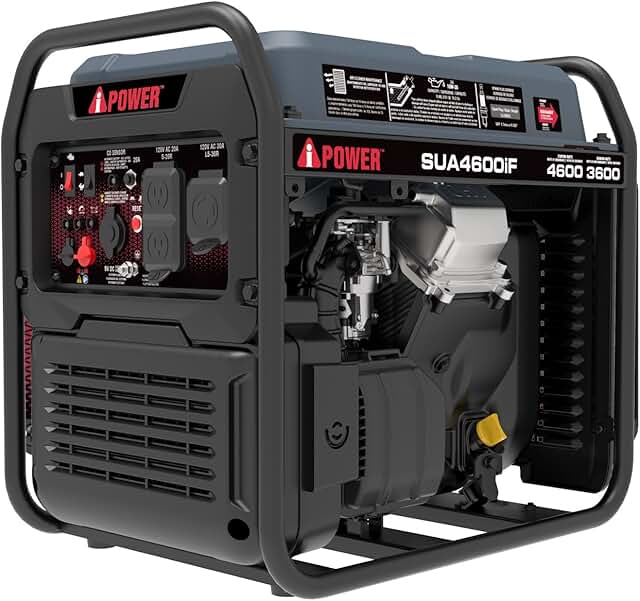
This model delivers 4,600 starting watts and 3,600 running watts, with 3% THD for clean power. It’s lightweight at 56 pounds and designed for quiet operation, making it suitable for sensitive electronics on boats. Inverter technology provides stable power for laptops, TVs, chargers, and small tools.
Best for: Boat owners needing reliable shore power for electronics and small appliances with a focus on clean power for sensitive devices. CO safety features enhance on-deck safety in confined spaces.
Limitation: Higher wattage units may require more fuel or larger storage space onboard; plan fuel strategy for longer trips or multiple days on the water.
6,800W Dual Fuel RV-Ready Inverter

Dual-fuel capability (gasoline or propane) with 6,800 surge watts and 5,100 running watts on gasoline, and 6,000 surge watts with 4,500 running watts on propane. It features a 240V bonded-neutral configuration for Level 2 EV charging compatibility and a CO shutdown sensor to protect occupants.
Best for: Boats that need payload flexibility, higher power for charging electric vehicle systems, or backup power with a robust fuel option. Choose this if you require versatile fuel choices and stronger performance.
Limitation: Heaviest unit among the options, which can impact portability on a small craft; evaluate caster options or mounting solutions for deck use.
1,200W Gas Generator: Ultralight and Compact
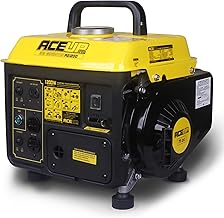
A compact option offering 1,200 peak watts and 900 running watts. It runs on a 71cc engine and weighs 35.3 pounds, with a recoil start and basic overload protection. A suitable choice for tight spaces or as a back-up on smaller boats with limited power needs.
Best for: Small boats or as an auxiliary unit for limited electrical demands. Ideal for charging phones, running lights, or small accessories without adding substantial weight.
Limitation: Lower power output means it won’t support larger appliances or heavy-duty devices; plan for this unit to supplement rather than replace shore power.
Buying Guide
What power level do I need for a boat?
Assess your essential loads: lighting, radio, refrigeration, fish-finder, and small appliances. Choose a unit with sufficient running watts to cover the running load plus a safety margin for startup surges.
How important is noise on a boat?
Quiet operation reduces cabin fatigue and keeps night use comfortable. Look for inverter generators that advertise decibel levels in the low to mid-60s or lower under typical loads.
Should I choose single-fuel or dual-fuel?
Single-fuel units are simpler and lighter. Dual-fuel models offer flexibility if you have propane readily available at marinas or campsites, which can extend run time without refueling.
What about CO safety and ventilation?
CO sensors and automatic shutoff features are valuable on boats where ventilation can be limited. If your chosen model includes a CO watchdog or similar safety features, it’s a strong plus for onboard use.
Portability vs. power
Mid-range and high-wattage units provide more power but are heavier. For boats, balance portability with the energy you realistically need for onboard systems, and consider mounting or stowage options to keep the unit secure during motion.
Fuel considerations and run time
Fuel capacity and efficiency determine how long you can operate between refuels. Compare tank size, runtime at a sensible load, and the availability of fuel at your typical cruising destinations.
Frequently Asked Questions
- What size generator is best for a small boat? A compact inverter with 1,200–2,500 watts can power essential devices; larger boats may require 4,000–6,800 watts depending on onboard electronics and appliances.
- Are inverter generators safe for sensitive electronics on boats? Yes. Inverter technology produces clean power with low THD, making them suitable for laptops, TVs, and chargers.
- Can I run a generator on a boat engine battery charger? Choose a model with an RV outlet and compatible 120V AC ports to support charging and small appliances without overloading the system.
- Should I buy a dual-fuel generator for boating? Dual-fuel options add flexibility if propane is accessible; evaluate space, weight, and fuel availability when deciding.
- How important is a CO sensor for marine use? Highly important for enclosed or semi-enclosed deck spaces to prevent carbon monoxide buildup.
- Do I need a special cover or mounting for a generator on a boat? Yes. Secure mounting and weather protection help prevent movement and exposure to saltwater, dust, and spray.