Best Polyurethane Paint for Boats
Yes, polyurethane marine paints offer durable, high-gloss protection for boat surfaces above the waterline. This guide highlights five top options that balance durability, ease of application, and real-world performance for different boat materials and use cases. The selections favor buyers seeking long-lasting topsides coatings, quick drying times, and finishes that resist UV, fading, and wear. Best for power boats, sailboats, campers, and trailer-friendly projects, these picks cover paints, primers, and specialty coatings.
Summary of selected products:
| Product | Brand | Finish Type | Best For |
|---|---|---|---|
| TotalBoat Wet Edge Topside Paint (Quart) | TotalBoat | High-gloss polyurethane topside | Power boats, sailboats, RV exteriors, doors and trim |
| TotalBoat Wet Edge Topside Paint (Gallon) | TotalBoat | High-gloss polyurethane topside | Same as above, larger projects |
| TotalBoat Aluminum Boat Paint (Quart) | TotalBoat | One-part polyurethane for aluminum and galvanized metal | Aluminum canoes, jon boats, trailers |
| TotalBoat Marine Topside Boat Paint Primer (Quart) | TotalBoat | One-part marine primer | Undercoat for 1-part and 2-part topside paints |
| TotalBoat Gleam Marine Spar Varnish (Pint) | TotalBoat | Varnish with UV blockers (polyurethane finish) | Wood interiors and exterior wood surfaces on boats |
TotalBoat Wet Edge Topside Marine Paint Quart

Finish: Durable, high-gloss, marine-grade polyurethane for above-waterline surfaces. Best for: small to mid-size hulls, trim, and exterior details where a glossy, protective layer is desired. Selection reason: excellent gloss retention and chemical resistance in a one-part formula, easy to apply by brush, roller, or spray. Limitation: for above-waterline use only; not intended for submerged hull areas.
TotalBoat Wet Edge Topside Paint Gallon

Finish: High-gloss marine-grade polyurethane for topsides. Best for: larger or continuous surface areas such as longer hull sections and RV exteriors. Selection reason: same durable formula as the quart with expanded coverage, simplified maintenance, and robust color retention. Limitation: above-waterline use only; ensure proper surface prep for best results.
TotalBoat Wet Edge Topside Paint Light Gray Quart

Finish: Light gray high-gloss polyurethane topside paint. Best for: boats requiring a lighter shade that hides minor surface imperfections. Selection reason: consistent performance with the Wet Edge line and a color option that reduces heat absorption. Limitation: color may fade with prolonged sun exposure; plan for periodic maintenance.
TotalBoat Aluminum Boat Paint Quart

Finish: One-part polyurethane optimized for aluminum and galvanized metals. Best for: aluminum canoes, jon boats, hunting blinds, trailers, and other metal surfaces. Selection reason: improved adhesion on aluminum with reduced priming needs. Limitation: designed specifically for metal surfaces; might not perform identically on wood or fiberglass without proper prep.
TotalBoat Marine Topside Boat Paint Primer Quart
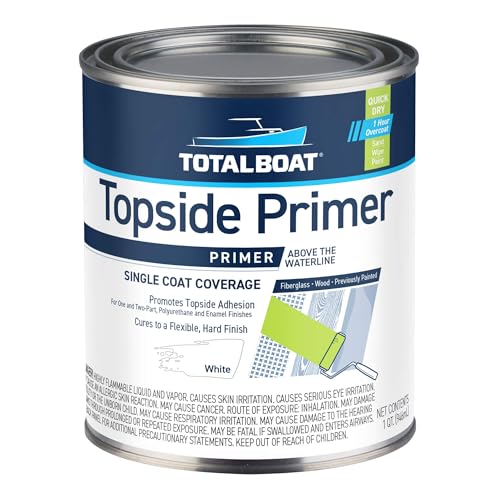
Finish: One-part marine primer for fiberglass and wood surfaces. Best for: use as a flexible undercoat beneath 1-part and 2-part polyurethane or enamel topside paints. Selection reason: seals surfaces effectively and reduces the need for multiple coats. Limitation: apply as directed; a second coat may be needed for higher build or fill of imperfections.
TotalBoat TotalTread Non-Skid Deck Paint

Finish: Non-skid polyurethane deck paint with texture for safer footing. Best for: boat decks, cabins, docks, stairs, and other high-traffic outdoor areas. Selection reason: provides durable traction while maintaining a polyurethane protective layer. Limitation: textured finish can be harder to clean and may require more frequent maintenance in heavy-use areas.
Buying Guide
What to consider when choosing polyurethane paint for boats
- Surface compatibility: match product to fiberglass, wood, aluminum, or metal surfaces. Some paints are formulated specifically for metal or wood.
- Above-waterline use: most marine polyurethane topside paints are designed for above-waterline surfaces only. Plan accordingly for hull below the waterline.
- Finish and gloss: decide between high-gloss for a showroom look or satin for durability and easier maintenance.
- Application method: options include brush, roller, or spray. One-part formulations are generally easier for DIY projects; two-part may require more preparation.
- Primer compatibility: using a compatible primer can improve adhesion and fill imperfections; primers can be essential for fiberglass or previously painted surfaces.
- UV and chemical resistance: higher gloss topside paints typically offer strong UV resistance, reducing color fading and chalking.
- Cure time and overcoat window: consider recoat intervals and environmental conditions the product requires for optimal results.
- Maintenance: consider ease of cleaning and how well the finish resists cracking, peeling, and fading over multi-season use.
FAQ
- Q: Can polyurethane topside paint be used below the waterline? A: These products are designed for above-waterline use; consult product guidelines for any exceptions.
- Q: Do I need a primer before polyurethane topside paint? A: Some products are designed to be applied over a primer; check the primer recommendations for the specific coating.
- Q: How long does polyurethane topside paint take to cure? A: Cure times vary by product and conditions; follow the manufacturer’s recoat and curing guidelines for best results.
- Q: Is one-part polyurethane easier to apply than two-part? A: Generally yes; one-part formulations are simpler and faster for DIY projects, though performance can vary by product.
- Q: Can I use polyurethane paint on aluminum surfaces without priming? A: Aluminum-specific products often reduce or eliminate priming needs, but always prep the surface as directed by the product.
- Q: How should I maintain a polyurethane topside finish? A: Clean with mild soap and water; avoid harsh scrubs that could dull the gloss, and inspect for wear or damage before repainting.