Best Paint Your Fiberglass Boat: Top Marine Coatings for Fiberglass
Answering the question “which paints are best for fiberglass boats?” this guide highlights five proven coatings that protect, beautify, and extend the life of fiberglass hulls and decks. The selections cover non-skid decks, topside paint, primers, antifouling bottom paint, and bilge coatings. They are suitable for boaters who want durable finishes, ease of application, and reliable performance in saltwater or freshwater conditions. The top picks are aimed at DIYers and boaters who prefer professional-looking results without specialized equipment.
| Product | Best For | Key Benefit | Notes |
|---|---|---|---|
| TotalBoat TotalTread Non-Skid Deck Paint (Quart) | Decks, stairs, and docks | High-traction, low-glare surface with rubberized texture | Long-lasting polyurethane; good for aging, textured decks |
| SenvEn Boat Paint Touch Up Pen (White) | Small chips and scratches on fiberglass or metal surfaces | High-gloss marine finish; built-in brush for precise touch-ups | Water-based and easy to store for quick repairs |
| TotalBoat Wet Edge Topside Marine Paint (Quart) | Hull topsides and exterior trim | Durable, scratch-, fade-, and crack-resistant polyurethane coating | One-part formula; suitable for above-waterline applications |
| TotalBoat Underdog Marine Antifouling Bottom Paint (Gallon) | Hull bottom protection in saltwater/freshwater | Copper biocide provides single-season antifouling protection | Best used on properly prepped surfaces; reduces barnacle growth |
| TotalBoat TotalBilge Epoxy Bilge Paint (Quart) | Bilges, engine rooms, and lockers | Waterproof, chemical-resistant epoxy coating | Brightens and protects hard-to-reach spaces |
Summary: The five products above cover high-traction deck surfaces, topside protection, hull-bottom antifouling, quick touch-ups, and interior bilge protection. This mix helps fiberglass boat owners maintain clean aesthetics, safe footing, and durable protection across the boat’s exterior and below-deck areas.
TotalBoat TotalTread Non-Skid Deck Paint (Quart)

Best for: boat decks, cabin soles, stairs, and swim platforms where sure footing matters. This TotalBoat coating delivers a textured, low-glare surface with a rubberized feel that’s gentler on feet than silica-filled decks. The polyurethane finish resists fading and peeling, making it a durable choice for aging decks. It applies smoothly and is easier to scrub than many non-skid coatings, helping maintain the deck’s appearance over time.
Why selected: The non-slip texture improves safety on wet surfaces while maintaining a handsome finish. The product’s multi-application versatility suits fiberglass, wood, aluminum, and other deck substrates, simplifying maintenance. A potential limitation is the need for proper surface prep and multiple coats for maximum durability, especially on heavily used decks.
Caution: Ensure the surface is clean and dry before application; humidity and temperature can affect cure times. Do not use on smooth surfaces that require less traction unless properly abraded.
Boat Paint White Touch Up Pen (SENVEN)
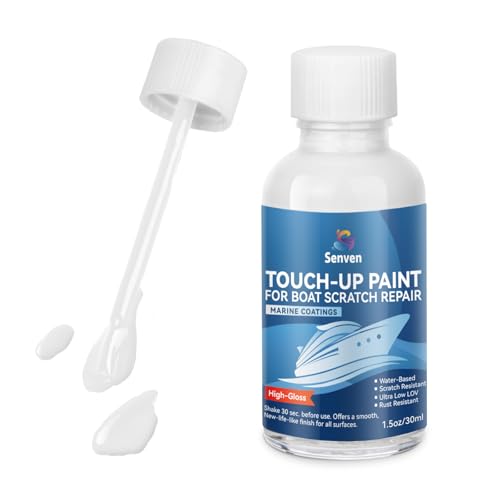
Best for: quick repairs on fiberglass, wood, aluminum, and other boat surfaces with chips, scratches, or pits. The built-in brush provides precise application for hard-to-reach areas. The high-gloss marine finish helps restore a near-new look to small flaws without needing heavy equipment.
Why selected: This product offers an easy, at-hand remedy that minimizes larger repaint projects. It’s particularly useful for dinghy or hull maintenance between major coatings. A limitation is that it’s a touch-up solution, not a full coating; it won’t replace a full primed paint job for large areas.
Caution: Seal the cap tightly after use to prevent drying. Store in a cool, dry place away from direct sunlight.
TotalBoat Wet Edge Topside Marine Paint (Quart)

Best for: fiberglass or metal hull topsides and exterior trim above the waterline. The polyurethane formula delivers a high-gloss, durable finish that resists fading and cracking. It’s easy to apply with brushes, rollers, or spray equipment, making it suitable for DIY refinishing projects.
Why selected: Wet Edge provides long-lasting color retention and a smooth finish that resists the effects of sun and water exposure. It’s a versatile option for multiple exterior surfaces beyond the hull. A limitation is that it’s recommended for use above the waterline, so you’ll need a different coating strategy for bottom portions or below-waterline areas.
Caution: Follow ventilation and safety guidelines when spraying. Use compatible primers if replacing an old or damaged coating to maximize adhesion.
TotalBoat Underdog Antifouling Bottom Paint (Gallon)
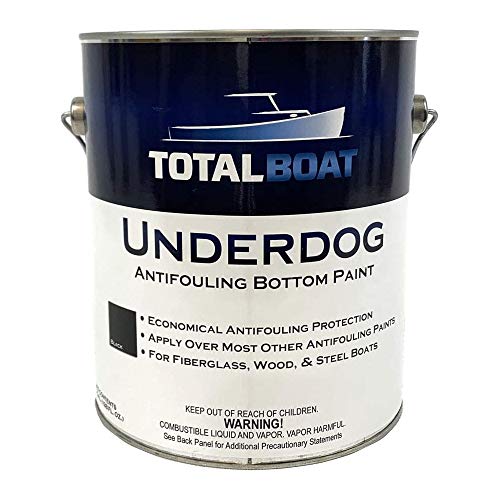
Best for: boats that spend time in saltwater or brackish environments where barnacles, mussels, and other growth can cling to the hull. This copper biocide antifouling coating offers single-season protection and is suitable for fiberglass, wood, or steel hulls when properly prepped.
Why selected: It reduces hull growth without excessive maintenance, helping to maintain speed and fuel efficiency as the season progresses. A limitation is that antifouling performance can vary with water temperature and activity level; you may need reapplication each season depending on use and marina conditions.
Caution: Prep thoroughly to ensure adhesion and cleaning between seasons. Avoid applying in high-density marina environments where environmental restrictions apply.
TotalBoat JD Select Ablative Antifouling Bottom Paint (Quart)

Best for: fiberglass, wood, and steel boats requiring a self-polishing bottom coating in salt or fresh water. The ablative film wears away gradually as the boat moves, minimizing bottom paint buildup for easier maintenance next season.
Why selected: JD Select reduces sanding work due to its self-polishing nature and offers low-odor, low-VOC properties with easy cleanup. A limitation is that performance depends on water conditions and usage patterns; frequent beaching or heavy scrubbing can shorten the coating’s interval.
Caution: Use in well-ventilated areas and follow local marina rules for coatings with biocides. Ensure the surface is properly prepped prior to application.
Buying Guide: Key Considerations for Painting Fiberglass Boats
- Surface prep and compatibility: Fiberglass should be clean, dry, and properly abraded for best adhesion. Check if a primer is required for your chosen topside paint or antifouling coating.
- Above vs below waterline: Separate products are designed for topsides (above water) and bottoms (below water). Do not assume a single coating works well in both zones without proper guidance.
- Safety and environmental impact: Many marine paints contain solvents or biocides. Follow safety guidelines, use protective gear, and be mindful of marina restrictions and VOC limits.
- Durability and maintenance: Consider UV resistance, chalking resistance, and ease of cleaning. Non-skid surfaces should balance traction with comfort and wear resistance.
- Application method and cure time: One-part paints are easier for DIY use, while multi-part systems can offer superior durability. Follow manufacturer instructions for brushing, rolling, or spraying and cure times between coats.
FAQ
- Q: Can I mix these products on the same boat? A: Yes, but only if they are designed to be compatible with each other and used in separate zones (topsides, deck, bottom, bilge). Read the manufacturer’s guidelines for each product.
- Q: How long does each coating take to cure? A: Cure times vary by product and conditions. Always follow the label for dry-to-touch and recoat times, and ensure proper ventilation.
- Q: Do I need a primer for fiberglass above the waterline? A: A primer is often recommended to improve adhesion and coverage, especially on bare or repaired fiberglass.
- Q: Is an antifouling bottom paint required if I’m not in saltwater? A: Antifouling paints are more beneficial in saltwater or brackish conditions. In fresh water with light usage, maintenance needs may be reduced, but consult product guidelines.
- Q: Are these products suitable for DIYers with limited project space? A: Many listed products are formulated for ease of application with common tools like brushes, rollers, or spray gear, making them suitable for DIY projects in typical garage or yard spaces.
- Q: How should I dispose of leftover paint? A: Follow local regulations for marine paint disposal. Do not pour leftover paint into drains or waterways.