Best Paint for Boats Fibreglass: Top Fiberglass-Ready Options for 2026
Answering the question, these coatings are formulated to bond well to fiberglass while delivering durability, UV resistance, and a workable finish. The best choices suit different boat types: small craft or dinghies benefit from non-skid or touch-up products, while larger vessels may need antifouling coatings or topside primers for longer-lasting results. The table below highlights five well-suited products for fiberglass boats, including use cases and key considerations to help buyers compare at a glance.
| Product | |||
|---|---|---|---|
| TotalBoat TotalTread Non-Skid Deck Paint | Non-skid deck coating | Fiberglass decks, docks, and stairs | |
| TotalBoat Marine Topside Boat Paint Primer | Topside primer | Fiberglass and wood surfaces above the waterline | |
| Rust-Oleum 207007 Marine Coatings Topside Paint | Topside paint (oil-based) | Fiberglass, wood, metal above waterline | Flexible, easy leveling, fast dry |
| SENVEN Boat Paint Touch Up Pen | Touch-up enamel | Interior/exterior small chips on fiberglass and metal | Built-in brush for precise repairs |
| TotalBoat Underdog Antifouling Bottom Paint | Antifouling bottom paint | Fiberglass, wood, steel hull bottoms | Single-season protection with copper biocide |
TotalBoat TotalTread Non-Skid Deck Paint

Product type: Non-skid deck coating. The TotalTread formula creates a durable, textured surface with low glare and high traction, making it suitable for fiberglass decks and other walking surfaces on boats, docks, or cabins. Best for boaters who prioritize secure footing and easier cleaning, as the polyurethane finish resists fading and wear. A potential limitation is that the textured finish can be more challenging to apply evenly on very large, smooth areas, requiring careful brush or roller technique.
Best for: Boat owners seeking long-lasting traction on decks and steps. Why selected: Provides a rubberized texture that’s less abrasive than silica-based products, improving comfort and safety for crew and passengers.
Caution: Follow proper ventilation and surface prep guidelines; avoid over-application in hot, sunny conditions to prevent finishing issues.
TotalBoat Marine Topside Boat Paint Primer for Fiberglass and Wood

Product type: One-part marine primer for topside paints. This primer offers a durable, flexible undercoat for 1-part and 2-part polyurethane and enamel marine topside paints, suitable for above-waterline fiberglass, wood, gelcoat, and surfaces in good condition. It covers completely in a single coat, with a second coat only if extra build is needed. Best for: Those applying a topside finish who want a simple, single-coat primer. Why selected: Simplifies prep and supports adhesion under multiple paint systems, reducing the risk of peeling over time.
Caution: Work in a well-ventilated area and follow safety guidelines for solvent exposure; ensure compatible with your chosen topcoat.
Rust-Oleum 207007 Marine Coatings Topside Paint

Product type: Topside paint for above-waterline surfaces. The oil-based formula is flexible with excellent leveling, suitable for fiberglass, wood, or metal. It dries to touch quickly, enabling faster project completion. Best for: Boaters needing a durable, easily applied topcoat on fiberglass and other materials. Why selected: Combines ease of application with good adhesion and a robust finish. Limitations: Oil-based formulas may require longer cleanup and brush care compared to water-based options.
Caution: Use in well-ventilated areas and follow disposal regulations for oil-based products.
SENVEN Boat Paint Touch Up Pen
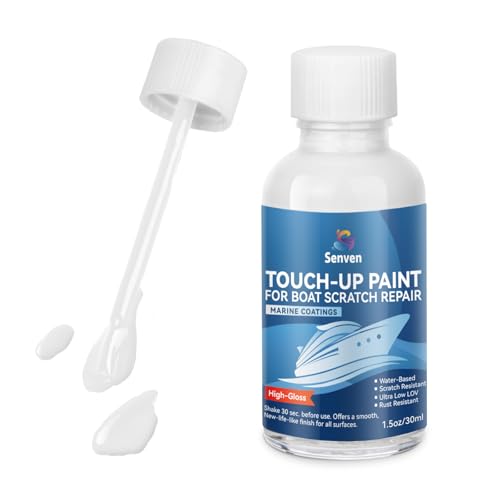
Product type: Water-based touch-up enamel with a built-in brush. The SENVEN touch-up pen repairs chips, scratches, and minor wear on hulls and decks of boats made from fiberglass, wood, or metal. Best for: Quick fixes and maintenance between larger work sessions. Why selected: Built-in brush simplifies on-site repairs and reduces setup needs. Limitation: Not a substitute for large area refinishing or significant structural repairs.
Caution: Apply in thin layers; allow adequate drying between coats to match the surrounding surface.
TotalBoat Underdog Antifouling Bottom Paint
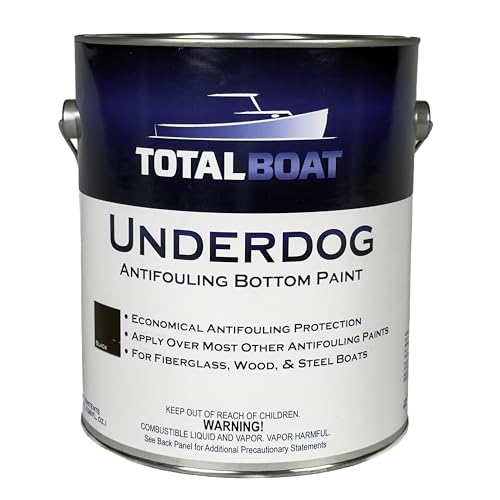
Product type: Antifouling bottom paint for fiberglass, wood, and steel hulls. It provides single-season protection against barnacles and mussels by releasing fresh biocide as water flows under the boat. Best for: Frequent boaters in saltwater or mixed conditions who need reliable bottom protection without frequent reapplication. Why selected: Offers effective antifouling performance with durable finish for use under way. Limitation: Requires proper surface preparation and marina compliance for biocide usage.
Caution: Follow local environmental regulations and ensure proper sanding and cleaning prior to application.
TotalBoat JD Select Ablative Antifouling Bottom Paint

Product type: Ablative antifouling bottom paint for fiberglass, wood, and steel boats. This self-polishing coating wears away gradually as the boat moves, reducing bottom paint buildup and potentially easing future maintenance. Best for: Sailors and powerboat owners who prefer reduced sanding and smoother hull surfaces after season(s) of use. Why selected: Ablative technology helps maintain hull cleanliness and performance. Limitation: Requires proper launch timing and marina compliance for application.
Caution: Ensure the coating choice aligns with water type (salt vs. freshwater) and hull material compatibility.
TotalBoat Non-Skid Deck Paint (Gray)

Product type: Non-skid deck paint. This gray variant provides a durable, textured surface with low glare and comfortable rubberized traction. Best for: Decks, docks, cabin soles, stairs, and other walking surfaces where traction is essential. Why selected: Similar to the white TotalTread, but a color option for aesthetic or visibility needs. Caution: Test color in a small area to ensure uniform appearance after cure.
Buying Guide: Key Purchase Considerations
- Surface type and location: Above-waterline topsides, decks, or below-waterline bottoms require different formulations (topside, antifouling, or non-skid finishes). Choose accordingly.
- Traction vs. aesthetics: Non-skid coatings prioritize grip; smooth topside paints emphasize appearance and UV protection. Consider the primary use of the area you’re coating.
- Drying time and workability: Oil-based systems may offer different curing times and cleanup needs than water-based or two-part systems. Plan for ventilation and cleanup requirements.
- Environmental and regulatory considerations: Some antifouling coatings contain biocides; verify marina rules and local environmental guidelines before use.
- Maintenance and reapplication: Ablative antifoulants wear away with use, reducing buildup but requiring periodic refresh. Non-skid finishes may need re-coating after wear or abrasion.
Frequently Asked Questions
- What is the best fiberglass boat paint for a humid coastal environment?
– Antifouling bottom paints like TotalBoat Underdog can help reduce organism growth on hulls in saltwater; use above-waterline coatings compatible with fiberglass for decks and topsides. - Do I need a primer for fiberglass topsides?
– A dedicated topside primer, such as TotalBoat Marine Topside Primer, improves adhesion and coverage for subsequent topcoat layers. - Are non-skid deck paints suitable for fiberglass boat decks?
– Yes. Non-skid paints like TotalBoat TotalTread provide traction on decks and other walking surfaces while resisting wear and fading. - Can I touch up small areas with a brush or pen?
– For precise repairs, touch-up products with built-in brushes, like SENVEN, are convenient for chips and scratches on fiberglass or metal surfaces. - Is oil-based topside paint better than water-based options?
– Oil-based formulas offer flexible, durable finishes and faster wet-sanding on some surfaces, but require ventilation and longer cleanup compared to water-based paints. - What should I consider before applying antifouling coatings?
– Ensure proper surface preparation, confirm marina regulations regarding biocides, and follow application directions to maximize performance and minimize environmental impact.