Best Outboard Motor Stabilizer Fins for Smoother, Safer Boat Handling
Answering the need for more stable planing, reduced bow rise, and improved handling, these outboard motor stabilizer fins are designed for 5–150 HP engines and stern drives. Best for boaters seeking quicker planing, better fuel efficiency, and a smoother ride in rough water. This guide highlights top options, who they’re best for, and practical buying considerations.
| Product | Brand | HP Range | Best For |
|---|---|---|---|
| Doel-Fin Hydrofoil Stabilizer | NorthBoat | 5–150 HP | Stability and quicker planing for small to mid-size boats |
| QuickMarine Hydrofoil Stabilizer | QUICKMARINER | 5–150 HP | Fuel savings and smoother ride |
| Universal Whale Tail Stabilizer | QNCKJZV | 5–150 HP | Balanced ride and reduced front-end lift |
| STINGRAY Classic Senior 2 | STINGRAY HYDROFOILS | 40–300 HP | Durable lift and wide compatibility |
| Quueparts HS001 Dorsal-Fin | Quueparts | 5–150 HP | Fuel efficiency and improved handling |
Doel-Fin Hydrofoil Stabilizer for 5–150 HP

The Doel-Fin stabilizer fits most 5 HP and larger outboards and sterndrives, with a compact H 10-1/4″ and W 8-1/4″ footprint. It’s designed to raise the stern faster, improving stability and handling on planing when launching or accelerating. Best for boaters who want noticeable stern lift reduction without complex installations. A potential limitation is outdrives outside the 5–150 HP range or Volvo Penta variants, which may not be compatible.
Why choose this
- Best for families and weekend boaters seeking a straightforward upgrade to planing ease.
- Helps reduce porpoising and improves water handling in choppy conditions.
QuickMarine Hydrofoil Stabilizer for 5–150 HP
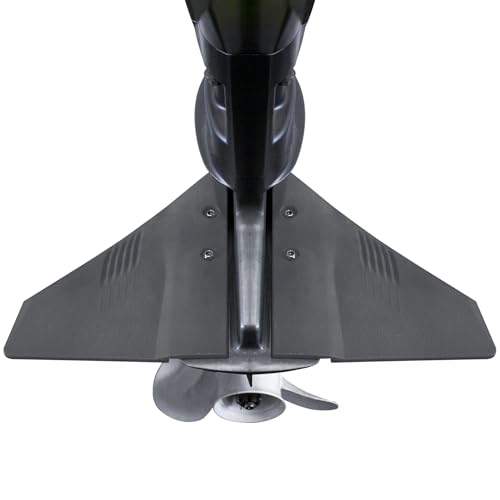
The QuickMarine stabilizer uses durable PA66 plastic and is UV-resistant. Suitable for most Yamaha, Mercury, Honda, Suzuki, and Tohatsu outboards and stern drives up to 150 HP. Easy installation and known for fuel-saving potential and better rough-water handling. A limitation to note is that performance can vary with hull shape and load, so some boats may experience different lift characteristics.
Who it’s for
- Owners seeking an easy, install-once solution for smoother day trips and fuel efficiency.
- Best for boats frequently encountering chop or wakes from other vessels.
Universal Whale Tail Stabilizer Fin Kit
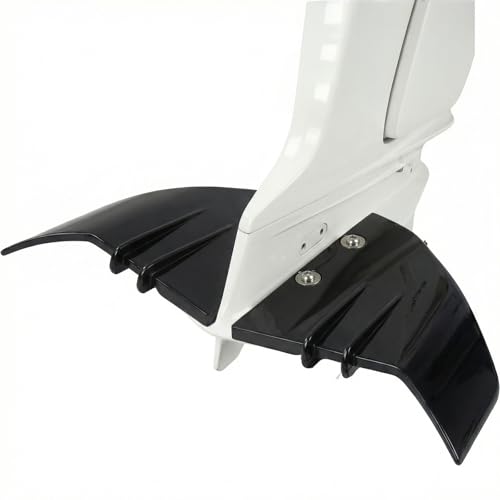
This high-visibility kit covers 5–150 HP engines and stern drives with a compact H 7.5″ and W 7″ design. It focuses on reducing front-end lift during acceleration for a more balanced ride. It’s well-suited for entry-level boaters and those who want a minimal, no-drill installation that delivers tangible stability gains. A potential drawback is a less aggressive lift compared with larger HP-specific models.
Best for
- Boatowners seeking a reliable, mid-size stabilizer with straightforward fitment.
STINGRAY Classic Senior 2 Hydrofoils

STINGRAY Classic Senior 2 is designed for 40–300 HP engines and offers robust, no-drill installation with superior lift and stability. It’s a widely popular choice for larger boats or those seeking maximum lift efficiency and smoother wake management. Best for boats that regularly operate in choppy conditions or with higher planing speeds. Limitation: design is optimized for higher HP ranges, so smaller engines may see modest gains.
Who should consider this
- Boats in the 40–300 HP range needing reliable performance with less chine-walking and porpoising.
Quueparts HS001 Dorsal-Fin Stabilizer

The HS001 uses UV-reinforced PA66 plastic with SS316 bolts for durability. It targets 5–150 HP outboards and stern drives, including Mercury and Mariner variants. It improves fuel efficiency, stability, and handling, helping reduce bow rise and speed up planing. A caution is that installation alignment matters for optimal performance, so follow the provided guidelines carefully.
Best for
- Owners wanting a robust, corrosion-resistant stabilizer with straightforward compatibility.
Buying Guide: Key Considerations for Outboard Stabilizer Fins
Choosing the right hydrofoil stabilizer depends on engine horsepower, hull type, and typical water conditions. The following questions help tailor your choice to your boat and use case.
What HP range should I target?
- Most 5–150 HP stabilizers are suitable for small to mid-size boats. For 40–300 HP engines, consider STINGRAY or larger-diameter fins for stronger lift.
Do I need a drill-free installation?
- Yes for quick, tool-free upgrades like the Universal Whale Tail or some QuickMarine models. Drilling may be required for some kits if you want the most secure mounting.
What are the expected performance benefits?
- Faster planing, reduced bow rise, improved stability, smoother handling in chop, and potential fuel efficiency gains.
What materials and durability matter?
- UV-resistant PA66 plastics and stainless hardware are common for long-term exposure to sun and saltwater. Look for corrosion-resistant bolts (SS316) when possible.
How do I choose based on hull and usage?
- Higher HP models (40–300 HP) often require more robust fins; smaller boats benefit from lighter, easier-to-mount options.
Installation considerations
- Follow manufacturer instructions for alignment to avoid torque imbalances. Some designs are “dorsal-fin” styles that require careful positioning relative to hull wake and propwash.
Maintenance tips
- Rinse with fresh water after saltwater use, check mounting bolts for tightness, and inspect for any cracks or wear after impact with debris.
FAQ: Quick Answers for Buyers
- Are hydrofoil stabilizers legal for all boats? Generally yes for personal watercraft, but check local regulations and hull certifications where applicable.
- Will a stabilizer hull increase top speed? Some models improve planning efficiency and reduce drag indirectly, but top speed gains vary by hull and load.
- Do stabilizers require professional installation? Most are DIY-friendly, but ensure proper alignment if uncertain.
- Can stabilizers reduce fuel consumption? Yes, by improving planing efficiency and reducing resistance during acceleration and cruising.
- Will stabilizers affect steering effort? They can smooth handling in chop but may feel slightly different during tight maneuvers at low speeds.
- What if my engine isn’t listed as compatible? Consider a universal or dorsal-fin style stabilizer designed for wide HP ranges and consult the manufacturer’s compatibility notes.