Best Outboard Motor Portable Gas Tanks for Marine Fuel on the Go
Answer: For boaters needing reliable, portable fuel storage for outboard engines, these five tanks offer varying capacities, durability, and compatibility to match common marine setups. The best choices balance leak protection, UV resistance, and easy handling for on-deck refueling. The top picks below are suited for anglers, family day-boaters, and rental fleets seeking safe, compliant fuel storage on or near the water.
The following quick reference table highlights the five selected products, including capacity, key benefits, and ideal users. Use it to compare form factors and select the right tank for your vessel and operating environment.
| Product | Capacity | Best For | Why Pick It |
|---|---|---|---|
| LIZHOUMIL Portable Boat Fuel Gas Tank | 3 Gal / 12 L | Smaller boats, dockside refueling | Durable construction, clear gauge, ergonomic handle |
| AloneGoer 3 Gal Portable Gas Tank | 3 Gal / 12 L | Yamaha and similar outboards, spares onboard | HDPE-EVOH barrier, corrosion resistance |
| EchoVincio EPA-Compliant 3 Gal Tank | 3 Gal / 5.9 lb | Safety-focused, quick transport | EPA compliant, flame mitigation, corrosion resistance |
| VEVOR 3.17 Gal / 12 L Tank | 3.17 Gal | Compact, versatile boats | Long hose, gauge, robust construction |
| Scepter 6 Gal Portable Gas Can | 6 Gal / 22.7 L | Under-seat storage, larger engines | Two-way vented cap, built-in gauge |
LIZHOUMIL Portable Boat Fuel Gas Tank
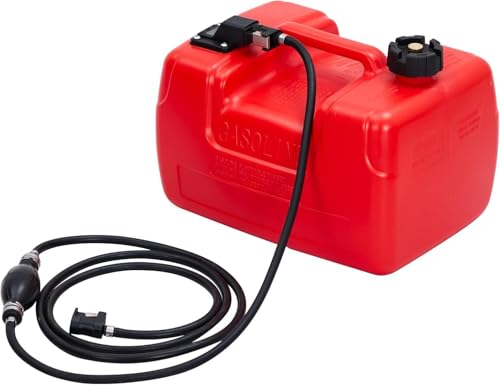
The 3-gallon LIZHOUMIL tank is built for durability and everyday use on small to mid-size boats. Best for boaters who need a compact, rugged unit with a clear fuel gauge and an integrated filter to maintain fuel quality during refueling. The I-shaped handle supports easy transport from dock to deck, making it suitable for quick top-offs and spare fuel storage. A potential limitation is the smaller capacity, which means more frequent refills on longer trips.
Best for: Small sailboats, inflatables, and dinghies where space is at a premium and lightweight handling matters. The built-in gauge and filter help maintain engine performance during short fishing trips or coastal cruising.
AloneGoer 3 Gal Portable Fuel Tank
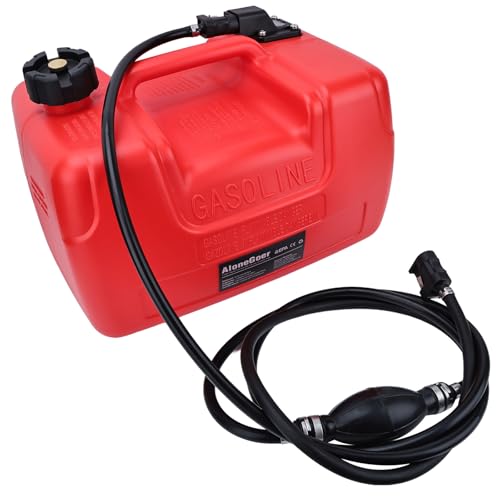
AloneGoer’s 3-gallon tank emphasizes barrier technology to reduce fuel evaporation and extend storage life. Designed for Yamaha and similar outboards, it’s a solid choice for boaters needing a dependable spare or primary portable tank with enhanced longevity in salt spray and humid conditions. The trade-off is that, with a medium capacity, owners should plan refueling stops or carry extra fuel for longer offshore trips.
Best for: Outboard-powered boats that visit marinas or inshore waters, where a compact, durable tank with a robust barrier helps prevent fuel loss and odor buildup.
EchoVincio EPA-Compliant 3 Gal Tank
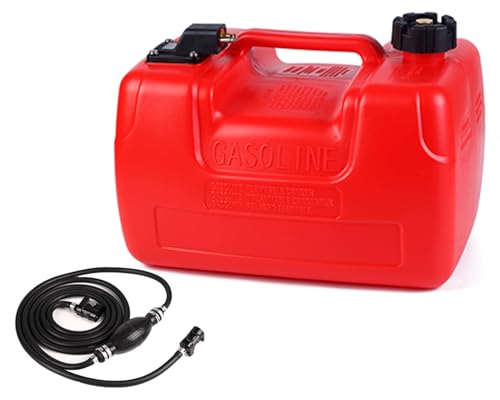
This EPA-compliant 3-gallon tank places safety and portability at the forefront. Its corrosion-resistant, UV-stable HDPE construction reduces aging and leakage risk, making it better for frequent use near saltwater. A compact 5.9-pound unit is easy to transport and store, but the smaller capacity means more frequent refills on longer trips or at-demand usage scenarios.
Best for: Boat owners prioritizing environmental compliance and safe transport, perfect for short coastal excursions or rental fleets needing standard portable fuel storage.
VEVOR Boat Fuel Tank 3.17 Gal

The VEVOR 3.17-gallon tank combines a compact footprint with a longer transfer hose (9.8 feet) and an integrated gauge. This makes it a versatile choice for anglers, deck boats, and dinghies that need a reliable, portable transfer tank with clear fuel monitoring. The main caveat is to avoid prolonged direct sun exposure to minimize aging and expansion risk.
Best for: Boats that require a longer hose reach and easy transfer to engines, or situations where under-seat storage is a priority but you still want visible fuel levels during use.
Scepter 6 Gal Portable Marine Gas Can

The Scepter 6-gallon tank is a larger-capacity option designed for under-seat storage with a built-in fuel gauge and a two-way vented cap. It supports diesel and ethanol-blended fuels and avoids dangerous vapor buildup through venting. Its wider capacity is ideal for longer trips or boats with higher fuel demands. However, the larger size may be less suitable for very small vessels with tight storage options.
Best for: Larger small boats, weekend anglers with higher fuel demands, and any setup that benefits from a built-in gauge and venting system to minimize vapor risk during refueling and storage.
Buying Guide: Key Considerations For Selecting Portable Outboard Gas Tanks
Storage capacity vs. trip duration: Choose capacity based on typical trip length and engine fuel consumption. Smaller boats may manage with 3 gallons, while longer trips may justify 6 gallons or more.
Material and durability: Look for high-density polyethylene (HDPE) with UV stabilization and corrosion resistance to withstand salt spray and sun exposure. Multi-layer designs with EVOH barriers reduce fuel permeation.
Ventilation and safety features: EPA or CARB compliance, flame mitigation devices, and vented caps help reduce vapor buildup and meet safety standards for transport and handling on water and land.
Hose length and fittings: A longer transfer hose provides flexibility for engine placement and dock-based refueling. Ensure compatibility with your engine’s fuel connectors and standard marine fittings.
Weight and portability: Consider the tank’s own heft when full, plus handle design and balance to prevent tipping during transport or refueling on a rocking deck.
Maintenance and leakage risk: Transparent gauges and built-in filters help monitor fuel quality. Look for anti-permeability designs to minimize leaks and aging in harsh marine environments.
Storage and space: If you have limited deck space or under-seat storage, a compact, stackable model with a slim profile may be preferable, while larger tanks offer more range for bigger boats.
Usage patterns and compatibility questions
- Should I prioritize EPA/CARB-compliant tanks for safety and compliance? Yes, especially for regulated environments and rental fleets.
- Is a longer hose worth it for my setup? If your engine is not near the fuel fill location, a longer hose improves convenience and reduces spill risk.
- Can I use these tanks with diesel or ethanol blends? Some models support multiple fuel types; verify compatibility before use.
- Is a larger tank better for offshore trips? It depends on engine fuel burn and trip duration; balance capacity with weight and storage space.
Quick comparison by scenario
- Best for compact vessels and easy moves: LIZHOUMIL 3 Gal, EchoVincio 3 Gal
- Better for longer days or higher consumption: Scepter 6 Gal, VEVOR 3.17 Gal
- Choose this if you need a spare with robust barrier protection: AloneGoer 3 Gal
FAQ
- What is the typical capacity I should choose? For small boats, 3 gallons often suffices; for longer trips or high-use engines, 6 gallons or more is advantageous.
- Are these tanks safe to store under seats? Yes, many are designed for under-seat storage with stable bases and vented caps, but always follow manufacturer guidelines.
- Will these tanks fit my Yamaha or other outboard connectors? Most listed models include common marine fittings or compatible hoses; confirm your connector size before purchasing.
- Do EPA-compliant tanks reduce vapor risk? Yes, they include safety features like flame mitigation and tested anti-permeability materials.
- Can I use one tank for diesel fuel? Some models support diesel blends, but verify the specific tank’s fuel compatibility to avoid damage.