Best Outboard Motors for Pontoon Boats: Top Picks for Stability, Power, and Easy Use
Searching for the right outboard motor for a pontoon boat? This guide highlights five practical options and explains who each is best for. Whether you need affordable two-stroke power, quiet electric trolling, or heavy-duty saltwater capability, these picks help you compare power, mounting, and durability at a glance.
Buyer types addressed:
– Budget-friendly two-stroke enthusiasts seeking quick power on a pontoon.
– All-day anglers who need quiet electric trolling with long run time.
– Saltwater boaters requiring durable, corrosion-resistant motors.
– Cushioned, easy-to-use trolling motors for calm lakes and rivers.
– Portable electric options for shallow-water pontoon setups.
| Product | ||
|---|---|---|
| LIWBYYG 2 Stroke 18HP Outboard | Power on a budget, rugged freshwater/saltwater use | 18HP, lightweight aluminum, water cooling, CDI ignition |
| Newport L-Series 86lb Thrust | All-day trolling with high thrust | 40″ shaft, 8 speeds, 86 lb thrust |
| Newport NV-Series 55lb Thrust | Compact, efficient trolling for mid-sized pontoons | 30″ shaft, 55 lb thrust, 8 speeds |
| Minn Kota Endura C2 30 Lb | Lightweight, versatile freshwater trolling | 30″ shaft, 30 lb thrust, adjustable tiller |
| Newport NT300 Electric Outboard | Quiet, long-range electric propulsion | 1300W, 110 lb thrust, 66 miles range |
LIWBYYG 2 Stroke 18HP Outboard Motor

The LIWBYYG 18HP outboard combines a lightweight aluminum alloy build with a water-cooling system and a CDI ignition for reliable starts. The two-stroke design is aimed at users who want robust on-water performance in freshwater or saltwater settings. The engine delivers up to 5500 RPM and uses a streamlined 8-inch, three-blade propeller for improved water handling. Best for boaters who want strong acceleration and a compact footprint on smaller pontoons.
Best for: Budget-conscious boaters who need substantial propulsion without sacrificing portability. Choose this if you want a straightforward, rugged two-stroke experience for both freshwater and saltwater use. Caution: Two-stroke engines require fuel mixing and more frequent maintenance schedules than some four-stroke models.
Newport L-Series 86lb Thrust Transom Electric

This electric trolling motor focuses on quiet, all-day trolling with substantial thrust. It features a 40-inch shaft, a 5-LED battery meter, and a 6-inch telescoping tiller handle. With 8 speeds (5 forward, 3 reverse) and a 3-blade propeller, it offers solid low-end torque for slow, precise boat movement. Best for: Anglers who fish in calm waters and value low noise and steady, dependable propulsion. Limitation: Top speed is modest compared to gas outboards, so plan for slower cruising in open water.
Newport NV-Series 55lb Thrust

The NV-Series 55lb thrust motor provides efficient 12V trolling with a 30-inch shaft and 3-blade propeller. It includes a 5-LED battery meter and a telescoping tiller handle for flexible mounting and control. Best for: Small-to-mid-sized pontoons where quiet operation and reliable trolling are priorities. Limitation: Less thrust than higher-end electric models, so heavier loads may require longer running times or alternative power.
Minn Kota Endura C2 30 Lb Thrust
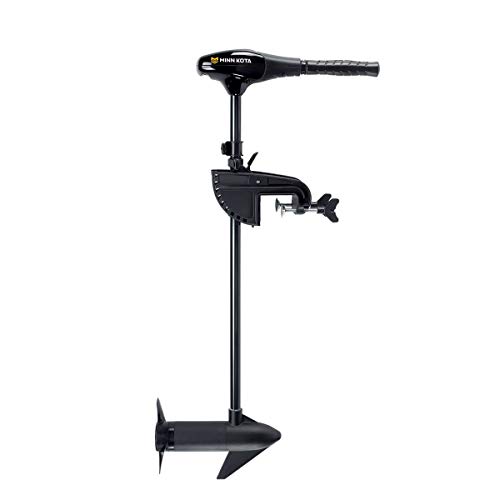
The Minn Kota Endura C2 delivers 30 pounds of thrust with a 30-inch shaft and a user-friendly telescoping tiller. It uses reinforced composite construction to resist marine wear and features a power prop designed for thick vegetation. Best for: Freshwater pontoons where maneuverability and simple setup are valued. Limitation: Not ideal for heavy saltwater use without corrosion considerations.
Newport NT300 Electric Outboard

The NT300 is a compact, high-efficiency electric option with 110 pounds of thrust, a long-range capability, and a digital throttle. It runs quietly and provides up to 66 miles of range on a charge, making it suitable for extended lake trips. Best for: Pontoon users prioritizing quiet operation and extended, emission-free travel. Limitation: Higher initial cost and reliance on battery capacity for range and runtime.
Buying Guide
Key considerations when choosing an outboard for a pontoon boat:
- Power needs: Match thrust and horsepower to your pontoon’s size, load, and typical water conditions. Heavier pontoons may require higher thrust or longer run times.
- Fuel vs. electric: Gas engines offer instant power and long-range potential but require fuel management. Electric motors provide quiet operation and simple maintenance but depend on battery capacity and charging options.
- Mounting and shaft length: Ensure the shaft length fits your transom height and that the mounting system keeps the propeller in clean water for efficient operation.
- Durability and environment: Saltwater use demands corrosion resistance and robust seals. Freshwater setups emphasize lightweight design and ease of handling.
- Maintenance needs: Two-stroke engines require fuel mixing and more frequent maintenance reminders. Electric motors emphasize motor seals, battery care, and controller health.
- Noise and vibration: For fishing and leisure, quieter motors reduce disturbance and provide a more enjoyable experience.
Frequently Asked Questions
- What is the best outboard type for a pontoon on a lake? – Electric trolling motors excel in quiet operation and precise trolling on calm lakes, while gas outboards offer more raw power for larger loads or open-water travel.
- Do I need a long shaft for my pontoon? – Yes, if your pontoon transom height requires clear operation in varying water levels; a longer shaft helps maintain propeller depth and efficiency.
- How many speeds should a trolling motor have? – Most anglers find 8 speeds (5 forward, 3 reverse) balanced for control and versatility on pontoons.
- Is saltwater use a concern for these motors? – For models marketed as saltwater-capable, corrosion-resistant housings and components help, but always rinse and maintain after saltwater use.
- What maintenance should I plan for a two-stroke outboard? – Regular fuel/oil mixing, spark plug checks, and cooling system inspection are key maintenance steps for two-stroke engines.
- Can I mount multiple motors on a pontoon? – Yes, some boaters install both a primary propulsion outboard and a trolling motor for maneuverability and efficiency.