Best Outboard Motor Options for Canoes in 2026
Answering the question “What is the best outboard motor for a canoe?” this guide highlights five reliable choices suited for small boats like canoes, kayaks, and dinghies. Electric models excel for quiet, maneuverable cruising, while compact gas engines provide higher thrust for heavier loads or deeper waters. The buyers best served are weekend anglers, recreational paddlers, and those who prize portability and ease of maintenance. Below is a quick summary of the top picks and who they fit best.
| Product | Best For | Power Type | Key Benefit |
|---|---|---|---|
| Newport NT300 Electric Outboard Motor | Anglers seeking quiet, long-range trips | Electric | 66-mile range, digital throttle |
| Minn Kota Endura C2 Transom-Mount | Casual anglers on small craft | Electric | Lightweight, easy tilt control |
| Newport NV-Series 36lb Thrust | Lightweight, portable setups | Electric | Compact, efficient for small boats |
| Newport NV-Series 55lb Thrust | More power for bigger canoes | Electric | Higher thrust with long run capability |
| CUKUSIN 4 Stroke Outboard Motor 4HP | Gas-powered reliability for bigger loads | Gas | Four-stroke durability, easy manual reverse |
Newport NT300 Electric Outboard Motor

The Newport NT300 is a 3HP-equivalent electric outboard delivering 110 lb of thrust. It supports saltwater and freshwater use with a 36V power system, a 66-mile range on a single charge, and a top speed of about 6.5 MPH. A digital throttle and LCD display provide clear control feedback, while the shaft length and propeller are optimized for small craft. Best for canoeists who want quiet operation and long-range cruising without fuel. Limitations include dependence on battery life for range and performance in rough conditions.
Minn Kota Endura C2 Transom-Mount
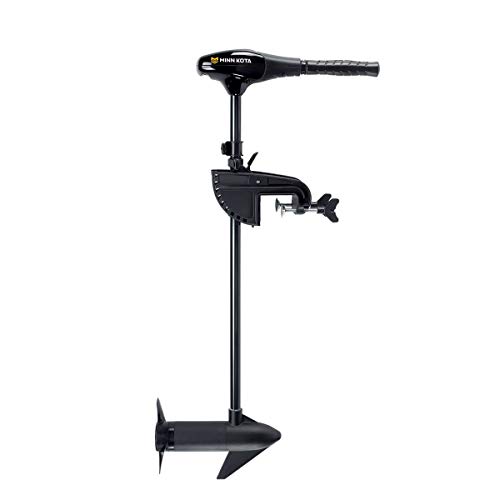
The Endura C2 offers 30 lb of thrust with a 30-inch shaft, ideal for light to moderate loads on canoes. It features a 6-inch telescoping tiller for easy handling and a push-to-test battery meter for quick status checks. The design includes a reinforced composite housing to resist UV damage. Choose this if you prioritize simple setup, compact power, and reliable freshwater performance, but note it may struggle in heavy vegetation or strong currents.
Newport NV-Series 36lb Thrust Trolling Motor

This 12V trolling motor delivers 36 lb of thrust with a compact 30-inch shaft and a two-blade propeller. It is designed for kayaks, canoes, and small boats where portability matters. The model is noted for saltwater resilience with corrosion-resistant parts. Best for lightweight setups needing efficient battery use; avoid if you require higher thrust or frequent heavy loads on larger canoes.
Newport NV-Series 55lb Thrust Motor
With 55lb of thrust, this saltwater-rated electric trolling motor pushes small craft more effectively over longer runs. It includes a 30-inch shaft, a 5-LED battery meter, and a telescoping tiller handle for flexible steering. Best for canoeists who need more torque for choppy water or heavier loads, but consider battery life and weight when planning extended trips.
CUKUSIN 4 Stroke Outboard Motor 4HP

The CUKUSIN 4-stroke 4HP outboard is a gas-powered option with air cooling, a single-cylinder engine, and a 60cc displacement. It uses a pull start and provides manual reverse through a hook handle. Best for canoeists seeking ready-to-use reliability and longer run times away from charging ports. A potential limitation is heavier weight compared to electric models and the need for fuel management.
Buying Guide
What should I consider when choosing a canoe outboard? Key factors include propulsion type, weight, power, shaft length, and fuel or battery availability. For electric motors, assess battery capacity, run time, charging options, and saltwater compatibility. Gas outboards require fuel management, maintenance, and emission considerations but can deliver higher thrust for heavier loads.
- Propulsion Type: Electric motors are quiet and maintenance-friendly; gas engines provide higher thrust and extended range in some conditions.
- Boat Compatibility: Check shaft length and mounting compatibility with your canoe transom design to avoid under- or over-projection of the propeller.
- Thrust and Speed: Higher thrust improves planing and stability in windy or choppy conditions; select based on boat weight and typical load.
- Battery Life vs. Fuel: For electric models, plan trips around battery life; for gas engines, plan for fuel availability and refueling options.
- Maintenance and Durability: Look for corrosion resistance, UV protection, and ease of maintenance for saltwater use if applicable.
FAQ
- What size outboard is best for a canoe? – Most canoes use electric motors with 30–55 lb thrust for lightweight setups, or small gas motors around 4 HP for higher loads.
- Are electric can be used in saltwater? – Yes, many electric models are designed for both saltwater and freshwater, but ensure corrosion resistance and proper maintenance.
- Do canoes need a long shaft motor? – A 30-inch shaft is common for many canoes and kayaks; longer shafts can help in rough water but add weight.
- Which is easier to maintain, electric or gas motors? – Electric motors generally require less ongoing maintenance than gas engines but involve battery upkeep and charging.
- Can I install any motor on any canoe transom? – Compatibility depends on transom height, mounting hardware, and weight; consult the motor’s specs and your canoe’s mounting options.
- Is a trolling motor suitable for open water? – Trolling motors are ideal for calm, shallow waters and precise maneuvering but may be less effective in strong currents without higher thrust.