Best One-Man Boat Trolling Motors for Easy Fishing
Answering the needs of solo anglers, these one-man boat trolling motors offer compact power, quiet operation, and easy handling. The top picks here are suited for small to mid-sized boats, kayaks, and Jon boats, delivering precise control, good efficiency, and simple installation. Whether you chase crappie from a kayak or pull line on a small jon, these motors help you stay on the fish with minimal effort. Below, you’ll find five carefully chosen models, each explained for who it’s best for and why it stands out.
| Product | Best For | Key Benefit |
|---|---|---|
| Newport NV-Series 55lb | Medium boats, saltwater or freshwater | Strong thrust with LED battery meter |
| Minn Kota Endura C2 40lb | Smaller boats, freshwater | Durable with 6″ tiller and easy adjustment |
| Newport NV-Series 36lb | Kayaks, canoes, small craft | Lightweight, efficient for compact vessels |
| Newport NV-Series 62lb | Larger boats or heavier loads | High thrust for demanding conditions |
| AQUOS Haswing CaymanT 55lb | Saltwater or freshwater versatility | Wireless remote and adjustable depth |
Newport NV-Series 55lb Saltwater Transom Trolling Motor

Best for: Medium boats in mixed water. This transom-mounted electric motor provides 55 pounds of thrust with an efficient 12V design. It includes a 30″ shaft, a 5-LED battery meter, and a 6″ telescoping tiller handle for comfortable control. Eight speeds (five forward, three reverse) offer versatile tuning. The motor’s design emphasizes low heat, quiet operation, and a three-blade propeller for good low-end torque. Caution: performance varies with boat weight, water conditions, and wind.
Minn Kota Endura C2 Transom-Mount 30 Lb – Freshwater
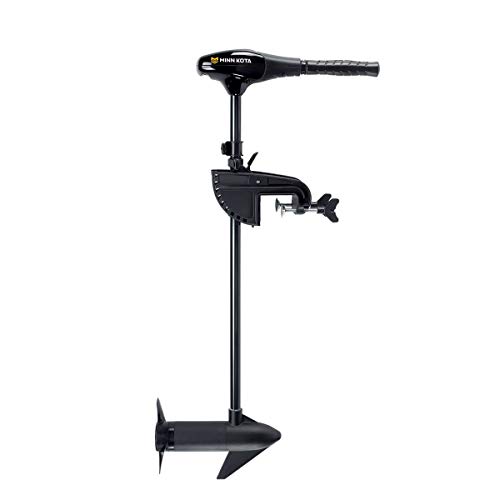
Best for: Small freshwater boats or kayaks needing reliable, lightweight propulsion. Features include a 6-inch telescoping tiller for easy, all-day control and a push-to-test battery meter on the motor head. The 10-position lever-lock bracket allows quick angle adjustments. The reinforced composite body resists UV and warping, and the power-prop handles thicker vegetation. Choose this if you want simple setup and consistent freshwater performance; caution: lighter thrust may be limiting in bigger wakes or strong current.
Newport NV-Series 36lb Small Craft Trolling Motor
Best for: Kayaks, canoes, and light boats where portability and efficiency matter most. It delivers quiet operation with a 30″ shaft and a 2-blade propeller designed for lightweight efficiency. The model lists a 12V power setup and a compact footprint, making it ideal for shorter trips and smaller watercraft. Limitation: lower thrust may require more careful planning in windy or current-prone waters.
Newport NV-Series 62lb Transom Motor – Saltwater
Best for: Larger boats or challenging conditions with heavier loads. This high-thrust 62lb unit is built to handle wind, current, and longer runs, with saltwater corrosion resistance. It features a robust three-blade propellor and LED battery indicator. Consider this when you need extra power for bigger vessels; caution: heavier unit may impact mounting and handling on very small crafts.
AQUOS Haswing CaymanT 55lb With Wireless Remote

Best for: Versatile anglers who want both saltwater and freshwater use with remote control. The CaymanT provides 55 pounds of thrust, a handheld wireless remote, and adjustable depth with three-level LED battery indicators. It supports 0–85 degree tilt and includes a prop-protecting design. Choose this if you value remote operation and multi-water capability; limitation: reliance on remote control may require battery management and occasional re-pairing with the motor.
Buying Guide
What should you consider when choosing a one-man trolling motor?
- Boat size and weight: Higher thrust is useful for larger or windier conditions, while smaller boats benefit from lighter motors and better battery efficiency.
- Water type and conditions: Saltwater rot resistance is essential for saltwater use; some models are optimized for freshwater performance only.
- Mount and shaft length: Transom mounts require space and mounting hardware; longer shafts help prevent cavitation and keep the prop deeper in waves.
- Power and speed settings: More speeds offer finer control; check for enough forward and reverse options for maneuvering in tight spaces.
- Battery indicators and weight: A clear battery meter helps manage runtime; weigh the motor against your boat to ensure balance and handling.
- Controls: Tiller handle vs. remote control; consider how you fish and how easily you can reach the control while casting or netting.
- Durability: Look for UV-resistant composites and corrosion-resistant construction for long-term use in marine environments.
Frequently Asked Questions
- What is the typical thrust range for one-man trolling motors?
Common models range from about 30 to 62 pounds of thrust, with higher thrust suited for larger boats or rough conditions.
- Are saltwater trolling motors different from freshwater ones?
Yes, saltwater motors use corrosion-resistant materials and coatings to withstand saline environments.
- Should I choose a model with a remote control or a tiller handle?
Remote control offers hands-free operation but adds battery management concerns; tiller controls are simpler and often more rugged for tight spots.
- How important is shaft length?
Shaf t length affects prop depth and efficiency; a longer shaft helps keep the prop in clear water and reduces cavitation.
- Can I install a trolling motor on a kayak?
Yes, many models are designed for small craft, including lightweight options and saltwater compatibility.
- What maintenance is required?
Regularly inspect the prop and mount, check battery health, and rinse with fresh water after salt use to extend life.