Best Oars for Row Boat: Easy Picks for Safe, Efficient Rowing
Answers for buyers seeking durable, reliable row boat oars. This guide covers top options for various boats, from dinghies to small rowboats, highlighting who each oar is best for. You’ll find lightweight aluminum choices, wooden oars for a classic feel, and telescoping paddles for emergency use. This overview helps you pick the right oars based on boat type, storage needs, and cruising preferences.
| Product | Best For | Key Benefit |
|---|---|---|
| Oceansouth Aluminum Boat Oars with Oar Stops | Dinghies, inflatables | Lightweight, durable aluminum with included oar stops |
| Oceansouth Heavy Duty Aluminum Boat Oars | Emergency backups, tenders | Stronger shaft, easy storage with split design |
| Seachoice 6.5 Ft. Wood Oar | Classic wooden feel, versatile boats | New Zealand pine, clear varnish finish |
| Seachoice 6 Ft. Wood Oar | Wide variety of boats, traditional | Premium pine, durable and easy to handle |
| Oceansouth Oar Alternatives (Telescoping) | Emergency kits, compact storage | Telescoping aluminum shaft, adjustable length |
Oceansouth Aluminum Boat Oars with Oar Stops
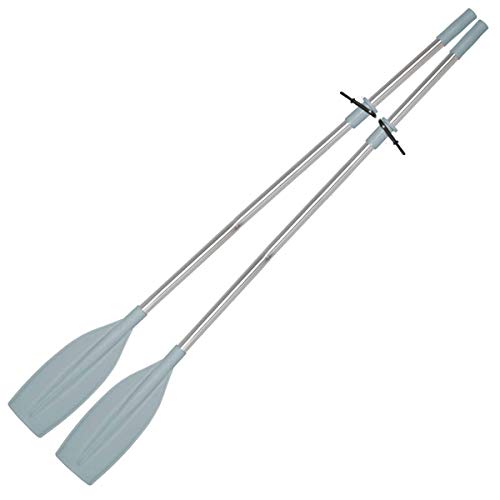
Brand: Oceansouth. Features include marine-grade aluminum construction for strength and durability, a split shaft design for easy storage, and heavy-duty oar stops for improved alignment within rowlocks. Best for inflatable boats, tenders, dinghies, and emergency onboard use. These oars balance light weight with rigidity, helping maintain control on choppy water. Caution: check compatibility with your rowlocks to ensure proper fit.
Oceansouth Heavy Duty Aluminum Boat Oars
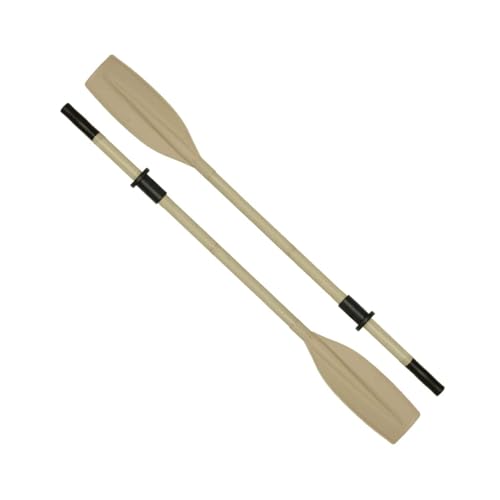
Brand: Oceansouth. This pair uses a heavier, powder-coated aluminum design with a 1-5/8″ shaft diameter for extra durability. It includes a split shaft for compact storage and transport and pre-installed oar stops for consistent rowing. Best for dinghies, inflatable boats, tenders, and as an aloft backup set. Limitation: heavier than standard aluminum oars, which may affect handling on very small craft.
Seachoice 6.5 Ft. Wood Oar

Brand: SEACHOICE. Made from New Zealand pine with a clear finish, this 6.5-foot oar provides a traditional wood feel with a broad blade surface for solid propulsion. Best for classic boats or when a wooden look is preferred. Choose this if you value a natural finish and steady bite through the water. Caution: wood can require maintenance to prevent surface wear over time.
Seachoice 6 Ft. Wood Oar
Brand: SEACHOICE. Similar to the 6.5-foot variant, this 6-foot oar uses premium New Zealand pine with a clear varnish finish, providing durability and a comfortable grip. Best for boats requiring a slightly shorter blade reach. Better for narrow beam boats or where storage space is tighter. Limitation: shorter length may reduce leverage on larger vessels.
Attwood Emergency Telescoping Paddle

Brand: attwood. This collapsible paddle extends from 24″ to 54″, designed for emergency use in small boats and rental craft. Best for emergency kits and quick reach adjustments. Caution: not a primary rowing paddle; length extension may affect balance during steady rowing in longer trips. Best used as a supplementary tool rather than a main oar.
OCEANBROAD Telescoping Emergency Paddle

Brand: OCEANBROAD. A compact, adjustable emergency paddle with a telescoping aluminum shaft, designed for safety on the water. Best for kayaks, canoes, and small boats needing quick stowage. Choose this if you want a compact backup paddle ready for sudden use. Limitation: not a full replacement for standard oars during active rowing; primarily for emergencies or quick reach adjustments.
Buying Guide
- What boat type do you own? Dinghies and inflatables benefit from split-shaft aluminum oars for storage and durability, while wooden oars suit boats that match a classic aesthetic.
- Do you need portability or a permanent, rugged setup? Telescoping and split designs maximize storage and transport ease, especially for small spaces or trailering.
- What environment will you row in? Marine-grade aluminum resists saltwater corrosion, and wooden oars handle varied boat types, but require maintenance to keep finish intact.
- Is weight a priority? Aluminum oars offer a balance of lightness and strength; wooden oars are typically heavier but provide a traditional feel.
- Oar stops and rowlock compatibility matter. Pre-installed stops help maintain consistent oar positioning, improving control and comfort on the water.
- Emergency readiness. A telescoping emergency paddle is valuable as a backup tool, especially for open-water trips where quick assistance might be needed.
FAQ
- What is the difference between a split-shaft and a solid shaft oar?
Split-shaft oars disassemble for storage and transport, while solid shafts are typically sturdier but bulkier to store. - Are wooden oars better than aluminum?
Wooden oars offer a traditional feel and aesthetic; aluminum oars provide durability and lighter handling, with less maintenance. - Should I choose a telescoping paddle as my main option?
Telescoping paddles are best for emergency backups or compact storage, not as primary rowing oars for extended trips. - What length should I select for a wooden oar?
Longer oars (6.5 ft) suit wider boats; shorter oars (6 ft) fit narrower craft or when storage space is limited. - Do oar stops matter?
Yes. Oar stops improve alignment and control, especially on smaller rowlocks or chocks, contributing to smoother rowing. - Is aluminum suitable for saltwater use?
Yes. Marine-grade aluminum resists corrosion in both saltwater and freshwater environments, offering durability across conditions.