Best Non-Antifouling Alternatives for Boat Bottoms
Searching for non-antifouling bottom paint options or copper-free formulations? This guide highlights copper-free and low-fouling paints that reduce buildup and simplify maintenance while protecting hulls. The selections below emphasize products best for sailors, motorboats, and work vessels that want predictable, season-long performance with easier cleanup and fewer environmental concerns. Each choice is explained with who it’s best for, why it was chosen, and practical trade-offs to consider.
| Product | Best For | Key Benefit |
|---|---|---|
| TotalBoat Krypton Copper Free Antifouling Bottom Paint | Aluminum, fiberglass, wood, steel boats | Copper-free for bright colors and galvanic safety |
| TotalBoat Underdog Marine Antifouling Bottom Paint | Sailboats and work boats in saltwater | Economical single-season protection |
| TotalBoat JD Select Ablative Antifouling Bottom Paint | All common hulls in mixed waters | Self-polishing with low odor and low VOCs |
| TotalBoat JD Select Ablative Red | Fiberglass, wood, steel boats | Similar ablative performance with environmental considerations |
| Rust-Oleum 396967 Marine Antifouling Paint | Fiberglass, wood, steel | Controlled copper release with broader surface coverage |
TotalBoat Krypton Copper Free Antifouling Bottom Paint

The Krypton Copper Free formula is designed to deliver high-performance antifouling without copper, suitable for fiberglass, wood, steel, aluminum boats, outdrives, and trim tabs. It avoids copper-related galvanic concerns and keeps colors bright. This option is best for boaters seeking copper-free protection that reduces corrosion risks on mixed-material hulls. It is best for boats operating in brackish to saltwater where preventive fouling is desired while avoiding copper-based biocides. A potential limitation is that color brightness may vary with environmental exposure and wear over a single season.
TotalBoat Underdog Marine Antifouling Bottom Paint
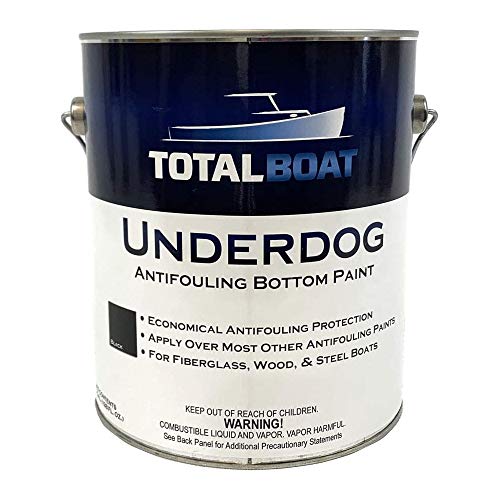
Underdog provides economical single-season protection with a copper biocide designed to prevent barnacles and mussels from clinging to hulls. It is intended for fiberglass, wood, steel, and iron bottoms and is well-suited for boats used frequently in saltwater conditions. The formulation releases fresh biocide as water moves beneath the boat, helping protect against growth during active use. Best for frequent-use boats like sailboats and work boats. A downside is that, like many ablatives, it may require reapplication after a season of heavy use.
TotalBoat JD Select Ablative Antifouling Bottom Paint

This JD Select Ablative formula uses a self-polishing coating that wears away gradually as the boat moves, reducing bottom paint buildup and minimizing sanding next season. It supports fiberglass, wood, and steel hulls in both salt and fresh water. It features low odor and low VOCs, with easy cleanup using soap and water, making it suitable for marinas with environmental restrictions. Best for environmentally conscious boaters who want an easy maintenance cycle. A limitation is that the ablative wear rate can vary with water conditions and speed, requiring annual evaluation.
TotalBoat JD Select Ablative Antifouling Bottom Paint Red

Red variant of the JD Select Ablative offers the same self-polishing action and environmental considerations as the original, with visible color for easy hull checks. It remains ideal for fiberglass, wood, and steel boats in salt or fresh water. Best for owners who want a distinct color for easy inspections and a predictable annual maintenance cycle. A caution: color intensity can fade with sun exposure and water chemistry, which may affect visibility over time.
Rust-Oleum Marine Antifouling Paint

Rust-Oleum’s marine antifouling formula is designed to slowly release copper to prevent fouling on fiberglass, wood, or steel surfaces. It provides recoat readiness in about four hours and launch readiness in approximately 16 hours, covering up to 110 square feet. Best for budget-conscious owners seeking straightforward application and recoverable protection. A limitation is that it relies on copper chemistry, which some users prefer to avoid for galvanic or environmental reasons.
TotalBoat Underdog (Blue, Gallon)

Underdog in blue offers the same economical single-season protection with copper biocide for frequent-use boats. It is suitable for fiberglass, wood, steel, and iron bottoms. Best for smaller boats or fleets seeking cost-effective antifouling with predictable performance. A potential drawback is that lighter colors may show wear sooner in high-traffic or high-salt environments.
Buying Guide
- Material compatibility: Confirm hull materials (fiberglass, wood, steel, aluminum) to choose copper-free or copper-based options accordingly.
- Application season: Ablative (self-polishing) paints require annual reapplication; hard films may last longer but can require more sanding.
- Water type and usage: Saltwater, brackish, or freshwater use affects performance and biocide needs.
- Environmental considerations: Low VOC and low odor options are preferable in marinas with restrictions.
- Color visibility: Colored coatings (blue, red, black) aid inspection but may fade with sun exposure.
- Recoat and launch timing: Check cure times and launch readiness per product specifications to avoid delays.
FAQ
- What is non-antifouling paint?
– In general, non-antifouling paints do not actively release biocides; however, many products marketed for bottom protection are antifouling to prevent barnacles and slime. - Which option is best for copper-sensitive hulls?
– Copper-free formulas like TotalBoat Krypton are designed to avoid copper-related galvanic issues with mixed-metal hulls. - Can I use ablative paints on aluminum hulls?
– Yes, but ensure the specific product is rated for aluminum and follow safety instructions; copper-free variants can be preferable for aluminum. - How long before launch can I recoat?
– Many products allow same-day recoat or short wait times; follow the manufacturer’s guidelines for best results. - Do these paints require special environmental considerations?
– Some options feature low VOCs and low odor to meet marina restrictions; others may require more ventilation and cleanup care.