Best Small Boat Motors for Easy, Reliable Trolling and Travel
In short, these small boat motors provide portable power for fishing, kayaking, canoes, inflatables, and dinghies. The right choice depends on vessel type, fuel preference, and whether you need saltwater durability or quiet electric thrust. This guide highlights five top options, explains who each is best for, and explains trade-offs like weight, noise, and maintenance. The options range from electric transom-mounts to compact gas outboards, helping you pick the best match for your small craft and planned use.
| Product | Best For |
|---|---|
| Minn Kota Endura C2 30 Lb Electric | Lightweight trolling on freshwater boats |
| Newport NV-Series 36lb | Balanced salt/freshwater for kayaks and small boats |
| YIYIBYUS 2.3HP 52cc Outboard | Gas-powered small boats needing quick thrust |
| BJTDLLX 6HP Outboard | Rugged small inflatables or dinghies |
| Newport NV-Series 55lb | Larger small boats needing more thrust |
Minn Kota Endura C2 Transom-Mount Electric Trolling Motor – 30 Lb Thrust
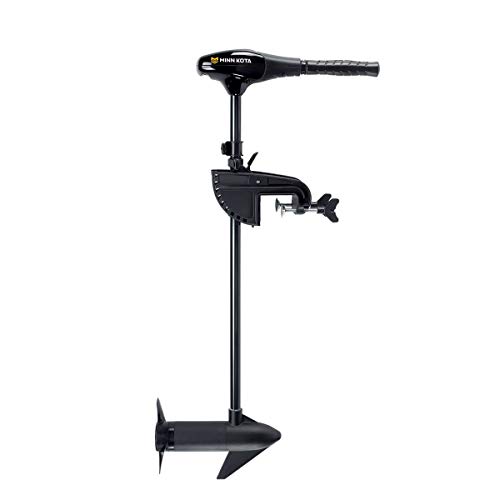
The Endura C2 is a compact, freshwater trolling motor designed for small boats. It features a 6-inch telescoping tiller for comfortable steering and a push-to-test battery meter for quick status checks. The 30-pound thrust makes it suitable for light craft like small jon boats or canoe setups, and the 30-inch shaft fits typical transoms without excessive height. Best for anglers who want simple, durable electric propulsion with easy angle adjustment and a reliable power setup.
Best for: anglers on freshwater, lightweight boats who prioritize simplicity and reliability.
Caution: gas or heavy vegetation use may require the heavier models; ensure your boat’s transom height matches the shaft length to avoid prop cavitation.
Newport NV-Series 36lb Thrust Trolling Motor – 12V

This 36-pound thrust trolling motor is built for saltwater and freshwater use, making it versatile for kayaks, canoes, inflatables, and small boats. It uses a lightweight 12V or 24V setup and includes an efficient two-blade propeller for extended battery life. The model’s LED battery indicator helps monitor power while on the water. Best for: smaller vessels seeking quiet operation and durable, corrosion-resistant performance in mixed conditions.
Limitation: while efficient, its lower thrust may limit performance on windy days or with heavier loads.
YIYIBYUS 2.3HP 52CC Gas Outboard Motor

This 2-stroke, gas-powered outboard delivers 1.7 kW (2.3 HP) with a 70 cm shaft and dual ignition features. Its aluminum body and corrosion-resistant materials target durability for dinghies, inflatables, and smaller fishing boats. Best for: boaters who want fast acceleration and higher top speeds where a light, portable outboard is preferred over electric models.
Limitation: a higher fuel and maintenance requirement than electric motors; check local regulations on fuel mixing and emissions for your waterway.
BJTDLLX 6HP Outboard Motor – Short Shaft

This 2-stroke, 6HP outboard provides robust performance for larger small boats or inflatable dinghies. It offers 360° steering rotation for flexible handling and a corrosion-protected, cast-aluminum build. Best for: anglers or boaters needing more thrust in choppy water or when carrying heavier loads. Caution: heavier weight and louder operation mean it may not suit ultra-lightcraft enthusiasts.
Limitation: heavier and more maintenance-intensive than electric options.
Newport NV-Series 55lb Saltwater Transom Motor
This 55-pound thrust trolling motor is built for saltwater use with a robust 12V system and a full set of features including LED battery indicator, a 5 LED meter, and a 6-inch telescoping tiller. It supports eight speeds (five forward, three reverse) and a three-blade prop for strong low-end torque. Best for: bigger small boats or heavier loads where steady, high-thrust propulsion is needed in challenging conditions.
Limitation: higher thrust comes with greater weight and energy consumption; ensure your battery setup can sustain longer runs.
Newport NV-Series 62lb Thrust Trolling Motor
This high-thrust model targets larger jon boats or heavier loads with 62 pounds of thrust and a 36-inch shaft. It is designed for saltwater durability and reliable all-day operation with an adjustable mount angle and height. Best for: bigger, demanding small boats that require dependable, high-thrust control across variable conditions.
Limitation: higher cost and heavier weight; consider overall boat balance and battery capacity when choosing.
Buying Guide: Key Purchase Considerations
- What boat size and weight will the motor handle? Match thrust to boat mass and typical load to avoid strain on the transom and battery.
- Electric vs gas: Do you need quiet operation and simple maintenance, or more raw power and longer run times without frequent recharging?
- Saltwater durability: If you plan to fish in saltwater, prioritize corrosion-resistant housings and a motor designed for harsh conditions.
- Shaft length: Ensure the shaft length fits your transom height so the propeller clears the water and remains efficient.
- Propeller design: A 3-blade propeller generally offers strong thrust; a two-blade design can save battery and weight on small crafts.
- Battery and fuel logistics: Electric motors require reliable battery packs and chargers; gas motors need fuel accessibility and mixing knowledge for 2-stroke models.
- Maintenance and accessories: Consider the availability of replacement parts, mounting hardware, and ease of service in your area.
Frequently Asked Questions
- What is the best small motor for a freshwater kayak?
– A light electric trolling motor like the 30 Lb Endura C2 is well-suited for freshwater kayaks due to compact size and simple operation. - Are gas outboards worth it for small inflatable boats?
– Gas engines like the 6HP BJTDLLX provide higher thrust and quick acceleration, which can be beneficial on larger inflatables, but require maintenance and fuel management. - Can I use a saltwater motor in freshwater?
– Yes, many saltwater-rated motors also perform well in freshwater, but corrosion-protection and cleaning after use are important to extend life. - How do I choose the right shaft length?
– Check your boat transom height; the propeller should be fully submerged without hitting the hull at full tilt. - What should I consider about battery life for electric motors?
– Estimate run time based on thrust setting, boat weight, water conditions, and battery capacity; plan for extra reserve power for longer trips. - Is louder operation a concern with small outboards?
– Gas engines tend to be louder and vibrate more than electric trolling motors, which affects comfort and catch rates in quiet waters.