Best Motors for Fishing Boats: Top Trolling and Outboard Options
Whether you fish in fresh or saltwater, choosing the right boat motor is essential for efficiency, control, and reliability. This guide highlights five purpose-built motors that cater to different boat sizes, terrains, and fishing styles. It helps practical buyers decide between transom-mounted electric trolling motors and compact gas/oil outboards. The selections emphasize quiet trolling for precise positioning, durability for marine environments, and ease of use for long day trips. The buyer profiles below identify who each motor best serves.
| Motor Type | Best For | Key Benefit |
|---|---|---|
| Electric Transom Motors | Freshwater anglers seeking quiet, precise control | Low noise and accurate steering for still-water or slow-tide fishing |
| Gas Outboards | High-speed, large or deep-water craft | Higher power and quick acceleration for bigger boats |
| Saltwater Rated | Coastal or brackish conditions | Corrosion resistance and salt-ready components |
Minn Kota Endura C2 Transom-Mount Electric Trolling Motor – 30 Lb Thrust
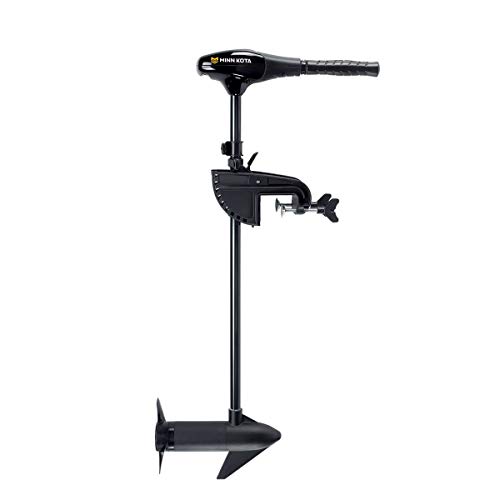
Best for: Small craft on calm days or tight-water venues where precise positioning matters. The Endura C2 30 Lb is a compact, freshwater-friendly option with easy tilt and lock features for day-long comfort.
- Telescoping Tiller: A 6-inch reach helps you control the motor without changing your stance.
- Push-to-test Battery Meter: Quick status checks keep you aware of power during long trips.
- Lever Lock Bracket: Simple angle adjustments ensure you can lock in the best drift position.
- Power Prop for Heavy Vegetation: Extra thrust helps in thicker cover, ideal for weed beds.
- Includes Prop Pin, Nut, and Washer: Ready for installation.
Best advantage: Easy handling and reliable control for casual anglers and shallow-water prospects. Caution: Heavier weed zones may demand care with the prop to avoid fouling.
Newport NV-Series 55lb Thrust Saltwater Transom Mounted Trolling Motor

Best for: Larger boats in saltwater environments needing strong, steady thrust with endurance. The NV-Series combines substantial power with a 30-inch shaft for deeper water control.
- Efficient Power: 55 lb thrust with continuous operation potential for all-day use.
- 8 Speeds: 5 forward and 3 reverse for flexible maneuvering.
- LED Battery Meter: Visual confirmation of battery status during trips.
- 30-Inch Shaft and Adjustable Mounts: Adaptable to different boat transoms.
- 3-Blade Propeller: Balanced torque and grip while trolling.
Best advantage: Strong, all-around performance for coastal or larger freshwater craft. Caution: Top speed is limited by boat characteristics; for very light vessels, consider lower-thrust options to maximize efficiency.
Minn Kota Endura C2 Transom-Mount Electric Trolling Motor – 40 Lb Thrust
Best for: Boats that need more push than a 30 Lb model but still prefer electric trolling for quiet operation. The 40 Lb Endura C2 is a practical step-up for mid-sized freshwater craft.
- Telescoping Tiller: Six-inch reach for all-day comfort and precise steering.
- Push-to-test Battery Meter: Keeps you informed of remaining power.
- Lever Lock Bracket: Easy angle adjustments and secure mounting.
- Power Prop for Heavy Vegetation: Enhanced performance through weed beds.
- Complete Installation: Prop pin, nut, and washer included.
Best advantage: A versatile balance of thrust and maneuverability for anglers targeting denser cover. Caution: Heavier setups may draw more battery power when running at higher speeds.
Newport NV-Series 36lb Thrust Trolling Motor 12V
Best for: Lightweight boats like kayaks, canoes, and inflatables where portability and efficiency trump raw power. This model focuses on quiet operation and simple handling.
- 36 Lb Thrust: Adequate for small watercraft while preserving battery life.
- 2-Blade Propeller: Efficient propulsion suitable for maneuvering and long trips.
- Saltwater and Freshwater Capable: Built for real-world boating conditions.
- 30-Inch Shaft: Suitable for shallow to moderate depths.
Best advantage: Excellent for anglers who need a compact, easy-to-transport motor. Caution: Not ideal for larger, faster-moving boats or heavy wind conditions.
DUIBAII 2 Stroke 18 HP HangKai Outboard Motor

Best for: Boats requiring more power in freshwater and saltwater, including longer runs to fishing grounds. This 18 HP outboard offers higher speed potential for larger craft.
- Selected Aluminum Alloy Construction: Durable, corrosion-resistant for marine use.
- 13.2 kW (18 HP) Output: Strong propulsion for faster trips and better planing.
- 8-Inch Three-Blade Propeller: Balanced efficiency and thrust.
- Large External Fuel Tank: Supports longer operation between fills.
Best advantage: High power in a compact engine for mid-sized boats. Caution: Two-stroke engines require proper mixing and maintenance for longevity.
NAZEAOB 18HP 2 Stroke Outboard Motor

Best for: Trucking along in small to medium boats where speed and reliability matter. The 18 HP engine with a strong aluminium build delivers strong endurance on the water.
- High-Quality Materials: Aluminium alloy construction ensures durability and corrosion resistance.
- Two-Stroke 18 HP, 4,500–5,500 RPM: Robust power band for dependable acceleration.
- 3-Gear System (F-N-R): Flexible forward and reverse options for maneuverability.
- Heavy Load Capacity: Suitable for various loads while maintaining performance.
Best advantage: A balance of power and load-bearing capacity for medium boats. Caution: Heavier loads can reduce top speed; plan usage accordingly.
Buying Guide: Key Purchase Considerations
- Boat Size and Type: Match motor thrust and horsepower to boat weight, hull design, and typical load. Small craft benefit from electric trolling motors; larger boats may need gas outboards.
- Water Type: Saltwater-rated motors resist corrosion better; freshwater models may be lighter and cheaper.
- Mount and Shaft Length: Transom mounts require appropriate shaft length to reach clear water and avoid cavitation near the hull.
- Power and Efficiency: Higher thrust increases speed and push through weeds, but consumes more battery or fuel. Consider the typical fishing distance and battery capacity.
- Control Features: Telescoping tillers, battery meters, and adjustable mounting help comfort and reliability during long days on the water.
- Maintenance and Durability: Look for UV-resistant materials, robust propellers, and easy-to-service components for longevity.
- Noise and Vibration: Electric trolling motors are quieter and less likely to spook fish; gas engines offer more raw power for larger boats and longer runs.
Frequently Asked Questions
- What type of motor is best for a small freshwater fishing boat?
Answer: A transom-mounted electric trolling motor, especially with a 30–40 lb thrust, provides quiet operation, precise control, and sufficient maneuverability for calm inland waters. - Can I use a trolling motor in saltwater?
Answer: Yes, if the motor is rated for saltwater use and features corrosion-resistant materials and seals. - How important is shaft length for trolling motors?
Answer: Important. The shaft length determines whether the propeller stays in clean water and reduces cavitation; mismatches can reduce thrust efficiency. - Should I buy a larger horsepower outboard for a small boat?
Answer: Not necessarily. Larger HP increases speed but adds weight and fuel use. For small to mid-sized boats, balance weight, handling, and water conditions. - Are two-stroke engines still common for small outboards?
Answer: Yes, many 2-stroke outboards offer high power-to-weight, but require proper mixing and maintenance for reliability. - What maintenance should I expect for electric trolling motors?
Answer: Regularly inspect the prop, battery connections, seals, and control cables; keep the motor head clean and dry after use.