Best Mooring Lines for Ships: Durable Dock Ropes for Secure Mooring
Mooring lines are essential for safe, reliable docking. This guide highlights five dependable options for boaters and commercial operators seeking strong, weather-ready mooring lines. Each pick is suited to different vessel sizes, environments, and handling preferences. Use this overview to compare materials, shock absorption, and ease of use to choose the right mooring rope for your needs.
| Product | Best For | Key Benefit |
|---|---|---|
| PACTHSD Boat Dock Lines | Owners seeking sturdy, low-stretch nylon | Double-braided construction for abrasion resistance |
| Rainier Supply Co Dock Lines | Boats up to ~27 ft; value-conscious buyers | Professional whipping and eyelet for secure tie-offs |
| JaunniQir 2200lb Bungee Dock Lines | Rough-water mooring; larger PWCs and small boats | High-elasticity bungee core with strong tensile rating |
| DockMoor Bungee Dock Lines | Jet skis, kayaks, and small craft | 10mm hidden latex core for shock absorption |
| Pebbly Beach 2 Pack Dock Lines | Everyday mooring and replacements | Marine-grade nylon with high UV and salt resistance |
Buyer profiles: casual boaters prioritizing smooth docking and hand comfort will favor softer, double-braided lines. Operators near saltwater or high sun exposure should look for UV-resistant nylon and heat-treated ends. Those facing rough water may prefer lines with built-in shock absorption. The following sections detail five top choices and their best-use scenarios.
PACTHSD Boat Dock Lines 1/2″ x 15′ – 4 Pack

Features: 1/2″ x 15′ with low stretch; high-strength nylon; double-braided construction delivers excellent shock-load absorption and abrasion resistance. Designed to withstand all-weather docking and ideal for lakes, rivers, and marinas.
Best for: Small-to-mid size boats needing reliable, easy-handling lines with strong abrasion resistance. Choose this if you want a robust, generic mooring rope that performs well in varied conditions.
Limitation: Longer lines may be more challenging to store neatly in small boats; consider a rope bag if space is limited.
Airhead Bungee Dock Line, 6-Feet
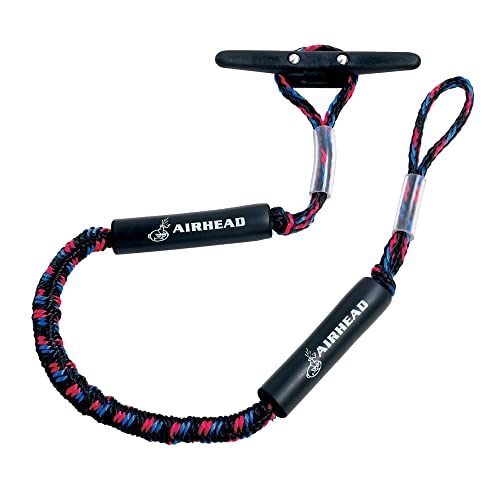
Features: Built-in bungee shock absorption with the cord hidden inside the rope; foam floats at ends to protect against chafing; quick docking with floating ends for easy adjustment.
Best for: Boat owners who want automatic shock absorption during mooring along docks or in rough seas. Choose this if you value a smoother docking process and onboard protection from jerks.
Limitation: Higher cost due to the built-in bungee system; ensure compatibility with your dock hardware and cleats.
JaunniQir 2200lb Bungee Dock Lines – 2 Pack

Features: High-elasticity bungee core; 2200lb tensile strength with reinforced double-braid PE outer sheath; built-in snubber technology and spliced eye loops for quick, knot-free docking.
Best for: Boats up to ~23 ft seeking consistent shock absorption and easy, tool-free docking. Choose this for rougher water or frequent mooring where reduced hull stress matters.
Limitation: Heavier due to the high-tensile construction; ensure fit for your cleats and mooring setup.
DockMoor Bungee Dock Lines – 4ft, 2 Pack

Features: 4 ft length per line; 10mm hidden latex core for superior shock absorption; 316 stainless steel clips; floating protection via integrated EVA foam floats for visibility and hull protection.
Best for: Jet skis, kayaks, pontoon boats, and other small watercraft requiring quick docking and enhanced visibility on the water. Choose this when portability and ease of use are top priorities.
Limitation: Shorter length; may not suit larger vessels or longer berths without tying multiple lines.
Pebbly Beach 2 Pack Dock Lines

Features: 3/8″ x 15′ double-braided nylon; marine-grade construction; heat-treated reinforcement; 12″ eyelet; designed to minimize paint damage and stand up to sun exposure and salt spray.
Best for: Boats up to 25 ft seeking a balance of strength and manageability with good UV resistance. Choose this for a reliable, all-around mooring line with decent working load and abrasion resistance.
Limitation: Slightly narrower diameter than some heavy-duty options; verify compatibility with dock cleats and hardware.
Buying Guide: How to Choose the Right Mooring Line
Material matters: Double-braided nylon provides higher abrasion resistance and a smoother feel than single-braid lines. Nylon’s stretch helps absorb shock from waves and wind, reducing hull stress.
Line diameter and length: For most small-to-mid size boats, 3/8″ to 1/2″ diameter and 12–15 ft lengths cover typical berthing needs. Larger vessels may require thicker lines or longer lengths.
Shock absorption: Bungee dock lines excel in rough water and rapid docking scenarios by dampening movement. Consider lines with built-in snubbers for smoother operation.
End fittings and eyelets: Spliced eye loops and reinforced ends improve durability and ease of use. Stainless steel clips resist corrosion in saltwater.
Storage and handling: If you store mooring lines on board, choose soft, smooth lines to minimize hull scratches and keep knots simple. Consider a storage bag for organization.
Environment: In high-UV and salt environments, heat-treated ends and UV-resistant nylon extend line life and reduce fraying. Floating lines with visible color help prevent entanglement with propellers or rigging.
FAQ
- What size mooring line should I buy for a typical 20–25 ft boat? A 3/8″ to 1/2″ nylon line about 12–15 ft long is common, with double-braided construction for durability and smoother handling.
- Is a bungee line better than a standard mooring rope? Bungee lines provide shock absorption, reducing jerks and stress on cleats, which can be advantageous in rough water or when mooring in tidal areas.
- How do I choose eyelet vs clip fittings? Eyelets offer secure, fixed attachment points; stainless clips are quick to hook but require compatible hardware on your dock.
- Can these lines be used in saltwater and hot sun? Yes, many are designed for saltwater and UV exposure, but check heat-treated ends and UV resistance for longevity.
- What’s the benefit of a floating line? Floating lines are highly visible on the water and help prevent line entanglement with props or hulls.
- How many lines should I carry? For most setups, two or three lines are enough for secure berthing; add more if you regularly moor in challenging conditions.