Best Modular Flat Boat Fenders for Docking and Rafting
Finding the right modular flat boat fender depends on boat size, docking environment, and how you plan to tie or link multiple fenders together. This guide focuses on flat, non-rolling designs that stay flush against the hull, making them ideal for pontoons, PWCs, and compact boats. The top picks below are selected for their durability, ease of use, and adaptable connection systems. Best for: small to mid-sized boats that dock often, or vessels that require multiple fenders for broader hull coverage.
| Product | Best For | |
|---|---|---|
| Norestar Modular Flat Fender | PWCs and compact boats | Non-rolling, closed-cell EVA, included hooks and line |
| WOOWAVE Flat Fender (Gray, 20″) | Flat design with three-layer EVA | Strengthened by triple EVA layers; durable rope |
Norestar Modular Flat Boat Fender
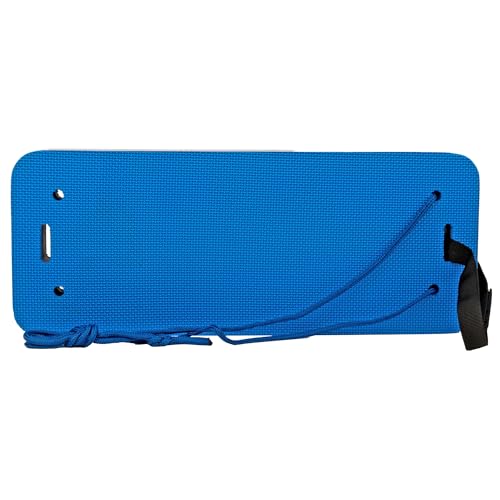
The Norestar fender lays flat to protect hull surfaces during docking or rafting, avoiding roll or ride-up. It uses closed-cell EVA foam that resists puncture, waterlogging, UV damage, and marine wear. A tri-layer, dual-density core provides shock absorption while maintaining shape. The included hook-and-loop straps plus a tie-up line enable quick attachment to cleats or rails, or linking multiple fenders for wider hull coverage. Best for smaller boats or personal watercraft that need stable, flush protection. Caution: ensure secure attachment when linking multiple fenders to prevent gaps at the hull line.
WOOWAVE Flat Fender, Gray 20″ Three-Layer EVA

WOOWAVE’s 20″ flat fender uses three-layer EVA to deliver stronger buffering and tear resistance, with a durable polyester rope for easy securing. The flat design helps it stay in place and avoid rolling. This model offers multiple sizes and a choice of colors to suit different boats. Best for: boats that dock in variable water conditions where a longer, straighter hull contact is preferred. Limitation: rope length and reinforcement holes are standard; consider additional fender lines if docking in crowded marinas.
Five Oceans Contour Flat Boat Fender, 4-Pack

This 4-pack features contour flat fenders designed to hug the hull for better coverage. Each 24-inch fender is paired with 5-foot fender lines and a storage bag, enabling quick deployment and organized storage. Made from marine-grade PVC fabric, these fenders resist UV damage and wear. Best for: boats docked in busy marinas that require multiple fenders for even hull protection. Caution: PVC fabric may be more rigid in cold weather, requiring careful placement to avoid hull contact.
Five Oceans Contour Flat Boat Fender, 2-Pack

The 2-pack includes 24-inch contour fenders with a 5-foot fender line and storage bag. The contour design improves hull coverage and reduces slipping when docking. Best for: single-boat users who want reliable, hull-hugging protection with minimal setup. Limitation: fewer fenders than larger packs, so coverage may be reduced for longer hulls or wide docking areas.
DaisyInner 4 Pcs Boat Bumpers for Docking

This bundle includes four 22.4 x 6.9 x 2.5 inch boat bumpers with four 5-foot fender lines. The fenders are designed with two-part construction for flexibility along the hull and to prevent scratches when docking. PVC-based construction provides sturdy, long-term use with elasticity for constant dock contact. Best for: boaters needing multiple fenders with quick setup for boats with variable hull contours. Caution: larger packs require more storage space and organization to keep lines untangled.
Buying Guide
What should I consider when choosing a modular flat fender?
Hull compatibility, boat size, and docking environment determine fender choice. Flat, contour-style designs hug the hull to reduce rolling and cover more surface area. Look for materials like closed-cell EVA or durable PVC, which resist water absorption and UV damage. Consider whether you need a hook-and-loop system, lines, or a linking feature to extend fender length across the hull.
Flat design vs. roll-proof advantages
Flat fenders stay flush against the hull, offering stable protection during docking, rafting, or tie-ups. They’re better for boats with rub rails or railings close to the waterline. Roll-proof designs prevent the fender from riding up, reducing the chance of hull contact in heavy chop. Choose flat when you want consistent hull coverage and easier storage.
Materials and durability considerations
Closed-cell EVA foam resists waterlogging and punctures, while UV-resistant coatings extend life in sunny climates. PVC-fabric fenders provide strong abrasion resistance but can be heavier. Weigh the trade-off between rigidity and elasticity, especially in cold weather where some materials become stiffer.
Attachment and maintenance tips
Use included hook-and-loop straps or lines to secure fenders; link multiple units when longer coverage is needed. Inspect connections before each trip and replace frayed lines or damaged straps. Clean fenders with fresh water after exposure to salt or chlorinated water to maintain material integrity.
How many fenders do I need?
For small to mid-sized boats, two to four fenders per side is common, with additional fenders for wide or high-risk docking areas. Contour or flat designs can maximize coverage with fewer units, especially when linked in a row along the rub rail.
FAQ
- Q: Are flat fenders better for speedboats? A: Flat, non-rolling designs work well for speedboats docking in calm marinas, offering consistent hull protection without riding up.
- Q: Can I attach multiple fenders together? A: Yes. Many models include hook-and-loop straps or lines to connect fenders for extended coverage.
- Q: Do these fenders resist saltwater? A: Most are built with water-resistant EVA or PVC materials designed for marine environments.
- Q: How do I store fenders when not in use? A: Store them in a dry bag or dedicated bin; keep lines organized to prevent tangling.
- Q: Should I choose a set with a storage bag? A: A bag helps with organization and quick deployment when moving from boat to dock.