Best Marine Wind Speed Indicator: Top Picks for Sailors and Boat Enthusiasts
Answering the need for reliable wind direction and speed data, these marine wind speed indicators are designed for dinghies, sailboats, and yachts. The best options suit different vessel sizes, mounting preferences, and visibility needs. This guide highlights five standout models, explaining who they’re best for, why they were chosen, and notable limits to consider before purchase.
| Product | Best For | Key Benefit |
|---|---|---|
| Schaefer Little Hawk MK1 Wind Indicator | Dinghy owners up to 6m | Compact, easy to mount |
| Hawk Wind Indicator MK2 | Small sailboats on a budget | Front-m mast mounting, UV protected |
| Five Oceans FO2080 Wind Direction Indicator | Sailing boats around 15+ ft | Sensitive ball bearing, clear day/night visibility |
| BLUESHARK 18 in Wind Indicator | Medium-sized boats | Carbon vane, corrosion resistant |
| Acouto Wind Vane | All boats needing versatile stainless design | 304 stainless, high precision |
Schaefer Little Hawk MK1 Wind Indicator f/Dinghies Up to 6M

Best for compact dinghies, the Schaefer Little Hawk MK1 is designed for quick installations on small craft. The model is highlighted by a simple, reliable vane system and a compact profile that fits narrow mastheads. Best for sailors who want a straightforward wind indicator with minimal setup and maintenance.
Who it’s best for: owners of small dinghies up to 6 meters who prioritize easy mounting and low-profile visibility. Why selected: its lightweight design reduces drag, and the approach suits vessels with limited space at the masthead. Caution: the simple design may lack advanced visibility features found on larger indicators.
Hawk Wind Indicator MK2, Multicoloured

Best for small sailboats that want a colorful, front-mounted indicator, the Hawk MK2 mounts at gooseneck height and is fully UV protected. The multicolor vane improves daytime visibility, which is helpful in crowded marinas or busy race days. Best for budget-conscious sailors who still want solid, practical performance.
Who it’s best for: dinghy and small-sailboat skippers seeking a cost-effective, durable unit with clear color cues. Why selected: front-mast placement makes wind reading straightforward while sailing. Caution: less robust than larger, metal-based indicators in extreme weather conditions.
Five Oceans 14-1/2-Inch Wind Direction Indicator
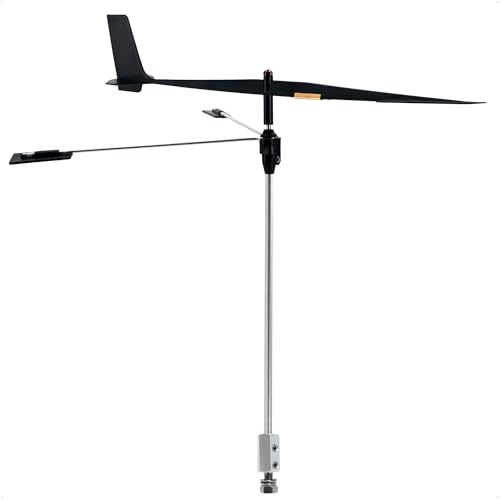
Choosing this indicator means prioritizing a larger vane with reliable night visibility. The Five Oceans unit supports vessels around 15 feet and up, with a tall masthead profile and a sturdy through-bolt mounting. Best for sailors who sail in mixed conditions and need precise visibility by day and night.
Who it’s best for: mid-sized sailboats that require a dependable wind vane with clear daylight and nighttime indicators. Why selected: includes mounting hardware and robust dimensions for confident readings. Caution: heavier unit may require a sturdier mast support on very tall rigs.
BLUESHARK Sailing Wind Indicator 18 in

Best for boats in the 6–9 meter range, the Blueshark model uses a carbon fiber vane for reduced weight and improved durability. The longer vane length enhances wind sensing, making it a strong candidate where wind shifts are frequent. Best for sailors who value a balance of performance and corrosion resistance.
Who it’s best for: mid-to-larger dinghies and small yachts needing a sturdier vane with corrosion resistance. Why selected: carbon fiber vane provides strength without adding excessive weight. Caution: longer vane requires proper clearance from nearby rigging to avoid contact.
Acouto Wind Vane For Marine Use

Best for versatile vessels needing a stainless option, the Acouto wind vane emphasizes high precision and broad compatibility. Made from marine-grade stainless steel, it promises durability in humid sea air. Best for sailors who value long service life and consistent wind readings across different boats.
Who it’s best for: sailors with experience in varying climates who want a high-precision indicator. Why selected: stainless design reduces corrosion risk and supports stable readings. Caution: stainless units can be heavier and may require a sturdier masthead mount.
MARINE CITY Sailboat Wind Indicator

Best for a robust, all-weather option with integrated LED lighting for night use, the Marine City unit uses 316 stainless steel to resist corrosion. The combination of a strong masthead presence and a built-in LED ensures visibility in low light. Choose this if you sail in coastal or high-humidity environments where visibility matters after dark.
Who it’s best for: sailors who need a durable, visible indicator with night illumination. Why selected: stainless construction and LED light enhance reliability during low visibility. Caution: may be heavier than non-LED models; ensure mast compatibility.
Housoutil Wind Direction Indicator Tail

Best for functional add-ons and tail-style wind indicators, the Housoutil unit focuses on accurate wind direction feedback with a weatherproof plastic build. It’s suitable for sailboats needing a cost-effective, easily replaceable indicator. Best for casual sailors or those who frequently swap indicators between boats.
Who it’s best for: boaters seeking a practical, affordable wind direction tail. Why selected: reliable wind readings at a lower price point. Caution: plastic construction may not match stainless options in harsh saltwater environments.
Buying Guide: How to Choose a Marine Wind Speed Indicator
- Vessel size and mounting: Match vane length and mounting style to your masthead height and available space. Smaller boats benefit from compact designs; larger boats can support longer vanes for better wind sensing.
- Material and durability: Stainless steel and carbon fiber vanes offer corrosion resistance and longer service life in marine environments. Plastic components are lighter and cheaper but may wear faster in saltwater.
- Visibility: Look for indicators with high-contrast vanes, UV protection, and night visibility options (reflective tape or LED lighting).
- Readiness and installation: Consider whether the unit includes mounting hardware and how simple it is to install on your masthead or gooseneck.
- Weather conditions: If you sail in coastal areas with mixed conditions, prioritize items with robust muzzling against gusts and maintainability for frequent adjustments.
- Maintenance: Stainless and carbon options typically require less frequent maintenance than plastic or painted vanes; inspect fasteners regularly.
Frequently Asked Questions
- What is a wind indicator best used for on a sailboat? It provides wind direction cues to help optimize tacking, sail trim, and course adjustments.
- Do I need LED lighting on a wind indicator? LED lighting improves night visibility and reduces misreads in low-light conditions.
- Can I install a wind indicator on any mast? Most indicators fit standard gooseneck or masthead configurations but always check mounting specifications for compatibility.
- Are carbon vane indicators better than stainless steel? Carbon vanes are lighter and corrosion-resistant, but stainless steel offers superior durability in salty environments.
- How do I maintain my wind indicator? Regularly inspect for corrosion, ensure vane freedom to rotate, and clean UV-protected parts to prevent stiffness.
- Is a larger vane always better? Larger vanes provide greater wind sensitivity but require more clearance and stronger mounting.