Best Marine WiFi and Cellular Boosters for Faster Onboard Connectivity
Answering the need for reliable offshore and coastal connectivity, this guide highlights marine-friendly cell and Wi‑Fi boosters. The selections focus on devices that perform well with coastal signal patterns, weatherproofing, and MIMO or omni-directional designs for variable vessel layouts. Best for boat owners, crew on anchored fleets, and coastal travelers seeking steadier data, fewer dropped calls, and improved streaming reliability. The table below helps compare core specs at a glance.
| Product | Best For | Indoor/Outdoor | Typical Coverage | Notes |
|---|---|---|---|---|
| Poynting OMNI-402-5G | Marine & Coastal Use | Outdoor Omni | Wideband marine coverage | 2×2 MIMO, rugged for boats |
| Poynting MIMO-3-15 5-in-1 | Comprehensive Marine & Vehicle Needs | Outdoor/Vehicle MIMO | 5G/4G + GPS/WiFi support | IP69K rated, versatile mounting |
| LINOVISION 3‑in‑1 Combo Antenna | Coastal IoT & WiFi Boost | Outdoor Roof Antenna | 2x4G LTE + Wi‑Fi | Dual SMA connectors, versatile use |
| Proxicast 10 dBi Outdoor Antenna | External Booster Upgrades | Outdoor Omnidirectional | 600–6000 MHz wideband | Omni-directional, wide frequency range |
| Subroad Vehicle Cell Booster | Vehicles, RVs, Boats On the Move | Vehicle Antenna | 5G & 4G across carriers | Better for mobile use, 5G capable |
Poynting OMNI-402-5G Omni-Directional Marine Antenna

Reference features: High performance wideband omni-directional antenna designed for marine use with 2×2 MIMO capability. It supports broad 5G/4G bands and provides reliable oceanfront connectivity. Best for vessels needing consistent signal regardless of heading. Caution: installation requires proper mounting and weatherproofing for marine environments.
Who it’s best for: Boat owners needing steady coastal coverage with simple mounting. Why selected: Omnidirectional design reduces the need to track satellites or towers as you move along the coast.
Poynting MIMO-3-15 5-in-1 Transportation & Automotive Antenna

Reference features: 5-in-1 antenna with 2×2 LTE MIMO, 2×2 Wi‑Fi, GPS/GLONASS, and marine compatibility. IP65+ rated housing suited for exposed areas on vessels. Best for: boats that rely on multiple data streams (cell, Wi‑Fi, GPS) at once. Caution: ensure compatibility with your marine modem and mounting hardware.
Who it’s best for: Operators needing robust multi-band connectivity on the water. Why selected: Combines cellular, Wi‑Fi, and GPS in one durable unit for compact vessel rooftops or bulkheads.
LINOVISION 4G LTE MIMO and WiFi 3-in-1 Combo Antenna

Reference features: 3-in-1 antenna merging 2x 4G LTE MIMO with 1x dual-band Wi‑Fi, designed for wide outdoor coverage and IoT use. Cable lengths are short for rooftop mounting. Best for: marine installations needing a single unit to boost cellular and extend Wi‑Fi reach. Caution: confirm cable length suffices for your mounting point and that your device supports the included SMA connectors.
Who it’s best for: Vessel with space constraints but demands multiple links. Why selected: Practical multi-function antenna reduces clutter and provides reliable signals across critical bands.
Proxicast 10 dBi Outdoor Antenna
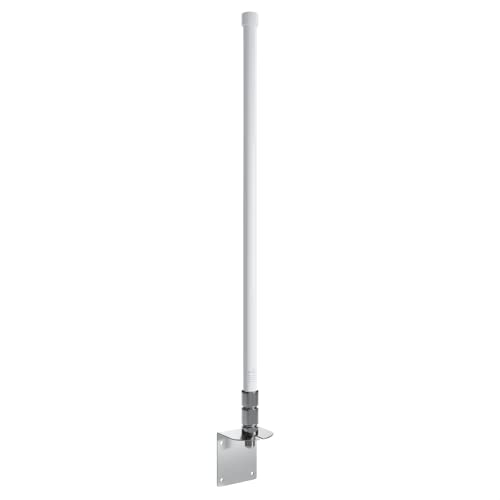
Reference features: Fixed-mount fiberglass omnidirectional antenna, 5G capable, with a 10 dBi gain and wide frequency handling from 600 to 6000 MHz. Best for: vessels needing a durable external antenna with broad compatibility for cellular routers and gateways. Caution: wind loads and mounting hardware must be appropriate for marine use to prevent damage in rough seas.
Who it’s best for: Boats requiring a rugged, wideband outdoor antenna that can support multiple bands. Why selected: Its robust fiberglass design and wide frequency range make it a versatile upgrade for several onboard devices.
Subroad Vehicle 5G/4G Booster For Boats And Trucks

Reference features: 5G and 4G booster supporting all U.S. carriers with automotive-grade antennas. Best for: on-board use where vehicles or boats require reliable 5G connectivity while moving. Caution: performance depends on external signal; in areas with no outside signal, boosting may be limited.
Who it’s best for: Boat crews that travel between hubs and shore-based networks. Why selected: Designed for mobile use, making it suitable for dock-to-dock cruising and anchored operations where signal fluctuates.
Buying Guide
What to consider when choosing a marine booster or antenna
- Coverage needs: For small cabins vs. larger decks, choose antennas with higher gain or multi‑antenna configurations to widen indoor coverage.
- Marine suitability: Look for IP ratings, IP69K if exposed to salt spray, and rugged housings designed for rain, spray, and sun.
- Band support: Ensure compatibility with your carrier’s bands (including 5G DSS in some areas) and the vessel’s existing router or modem.
- Antenna type: Omni-directional antennas suit moving boats; directional antennas can boost beyond obvious obstructions but require aiming.
- Installation: Consider mounting options, cables, and weatherproof seals. Outdoor antennas should have corrosion-resistant hardware.
- Power and height: Account for the pedestal height and available electrical supply on board to ensure optimal placement and performance.
FAQ
- What is a marine booster best used for?
To improve cell and Wi‑Fi signals on boats and coastal vessels, reducing dropped calls and boosting data speeds.
- Do these boosters work with all U.S. carriers?
Many are designed to support major U.S. carriers, but verify compatibility with your specific plan and bands.
- Can I install outdoor antennas on my boat deck?
Yes, but use marine-rated, weatherproof hardware and secure mounting to withstand salt spray and wind.
- Will a booster increase Wi‑Fi range inside a boat?
Some boosters combine cellular and Wi‑Fi in one unit; for best results, pair with a suitable router and indoor antenna placement.
- What affects booster performance at sea?
External signal availability, antenna placement, interference from metal hulls, and distance from shore towers influence results.