Best Marine Paints for Steel: Top 5 Picks for Durability and Easy Maintenance
Office-grade aesthetics meet rugged marine performance with these top marine paints designed to protect steel surfaces above the waterline. This guide targets boat owners, hull restorers, and marine facilities seeking durable steel-friendly finishes that resist salt, oil, and weathering. Each product below is evaluated for steel compatibility, ease of application, and long-lasting results. A quick summary table follows to help you compare key points at a glance.
| Product | Best For | Notes |
|---|---|---|
| Rust-Oleum 207000 Marine Coatings Topside Paint | Small to mid-size boats; above-waterline surfaces | Oil-based, quick-dry, good leveling |
| DURALUX Marine Enamel | Steel structures and commercial vessels | One-component enamel; adheres to multiple substrates |
| TotalBoat Underdog Marine Antifouling Bottom Paint | Bottom surfaces on steel boats | Ablative antifouling; single-season protection |
| Steel-It 1002D Polyurethane Aerosol | Industrial-grade steel surfaces; spray-ready projects | Stainless-steel engineered; food-contact capable |
| TotalBoat JD Select Ablative Antifouling Bottom Paint | Bottom protection for steel boats | Ablative; low odor and low VOC |
Rust-Oleum 207000 Marine Coatings Topside Paint

Product overview emphasizes suitability for fiberglass, wood, or metal surfaces above the waterline. The oil-based formula offers flexibility and easy leveling, with a touch-dry time of 1–2 hours and coverage up to 100 sq ft. Best for: small to mid-sized vessels or maintenance areas where a quick, durable topcoat on steel is needed. Limitation: designed for above-waterline use; not ideal for underwater antifouling needs.
DURALUX Marine Enamel

ENAMEL MARINE PAINT provides a long-lasting white finish on boats, bridges, or marine structures, with strong adhesion to primed steel, metal, wood, aluminum, and fiberglass. It resists salt water, oil, gasoline, and repeated washings for a durable appearance. Best for: commercial or pleasure boats requiring a dependable enamel finish on steel components. Limitation: may require priming for certain substrates to optimize adhesion and coverage in challenging environments.
TotalBoat Underdog Antifouling Bottom Paint (Black)
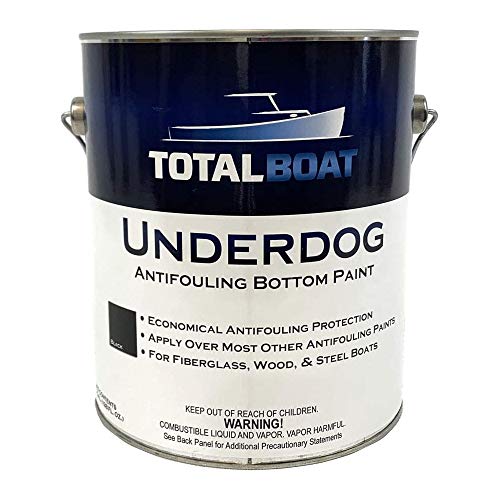
ECONOMICAL ANTIFOULING BOTTOM PAINT designed for fiberglass, wood, and steel hull bottoms. It delivers single-season protection and uses copper biocide to deter barnacles and mussels. Best for: boats used frequently in saltwater or mixed-water environments where bottom cleanliness affects performance. Limitation: ablative coating wears away during the season, requiring careful surface prep and repaint cycles for next season.
Steel-It 1002D Polyurethane Aerosol

Industrial polyurethane aerosol engineered with stainless-steel properties for robust steel protection. Highlights include compatibility with food-processing environments where incidental food contact is possible. Best for: spray-applied steel surfaces requiring a tough, cleanable finish with corrosion resistance. Limitation: aerosol format may be less economical for large areas; ensure proper ventilation during application.
TotalBoat JD Select Ablative Antifouling Bottom Paint

ANTIFOUling PAINT specifically designed for boats with fiberglass, wood, and steel hulls. Its ablative film wears away as the boat moves, reducing hull buildup and easing next-season prep. Best for: boats actively used in saltwater with frequent launchings. Limitation: coating wears over time, requiring reapplication to maintain antifouling effectiveness.
Buying Guide
What should you consider when choosing marine paint for steel surfaces?
- Surface type and location: Above-waterline topside paint needs UV resistance; bottom paints focus on antifouling performance and water exposure.
- Substrate compatibility: Look for primers or enamels that specifically mention steel or metal adhesion for best results.
- Antifouling vs. protection: If you battle barnacles and marine growth, select an antifouling bottom paint; for aesthetic and corrosion resistance on steel topsides, enamel or polyurethane options work well.
- Oil-based vs. water-based: Oil-based finishes often offer better leveling and durability but require solvent cleanup; water-based options are lower in VOCs and easier to clean.
- Application and cure: Dry times and recoat windows influence project scheduling; some products dry quickly, enabling faster returns to service.
- Environmental and safety considerations: Low-VOC formulations and low-odor options help in marinas with restrictions; follow local regulations for disposal and ventilation.
Practical quick-comparisons
- Best for quick-dry topside work on steel: Rust-Oleum 207000 Marine Coatings Topside Paint.
- Best all-around steel adhesion with a durable enamel: DURALUX Marine Enamel.
- Best value antifouling for frequent saltwater use: TotalBoat Underdog and TotalBoat JD Select (choose depending on preferred ablative or sustained biocide release).
- Best industrial-grade spray option for steel with strong corrosion resistance: Steel-It 1002D.
Frequently asked questions
- Q: Can these paints be used on submerged steel surfaces? A: Most top-side paints are designed for above-waterline use; antifouling bottom paints are intended for submerged areas to resist growth.
- Q: Do these products require primers for steel? A: Some may, especially on bare steel; refer to product labels for substrate recommendations and primer compatibility.
- Q: Are these paints prone to yellowing in sunlight? A: Oil-based topside paints often have strong UV resistance, but some finishes may yellow over time; consider UV-protective topcoats if needed.
- Q: How long before launching after painting? A: Dry times vary; some products dry to touch in 15–60 minutes, while full cure can take longer. Always follow the manufacturer’s recoat and cure guidelines.
- Q: Which option is best for marinas with strict VOC rules? A: Look for low-VOC or water-based antifouling options, such as certain TotalBoat products, and verify marina regulations before use.
- Q: Is bottom paint necessary if I only store the boat in saltwater? A: For boats exposed to water movement and growth, antifouling bottom paints are typically recommended to minimize maintenance and hull drag.